
Red Rocket Crape Myrtle Plant – Lagerstroemia indica 'Whit IV' (True-Red Flowering Tree, Live Starter Plant)
Price range: $33.79 through $178.32
Firecracker Plant – Russelia equisetiformis (Coral Fountain, Scarlet Hummingbird Flowers, Live Starter Plant)
Price range: $33.79 through $178.32
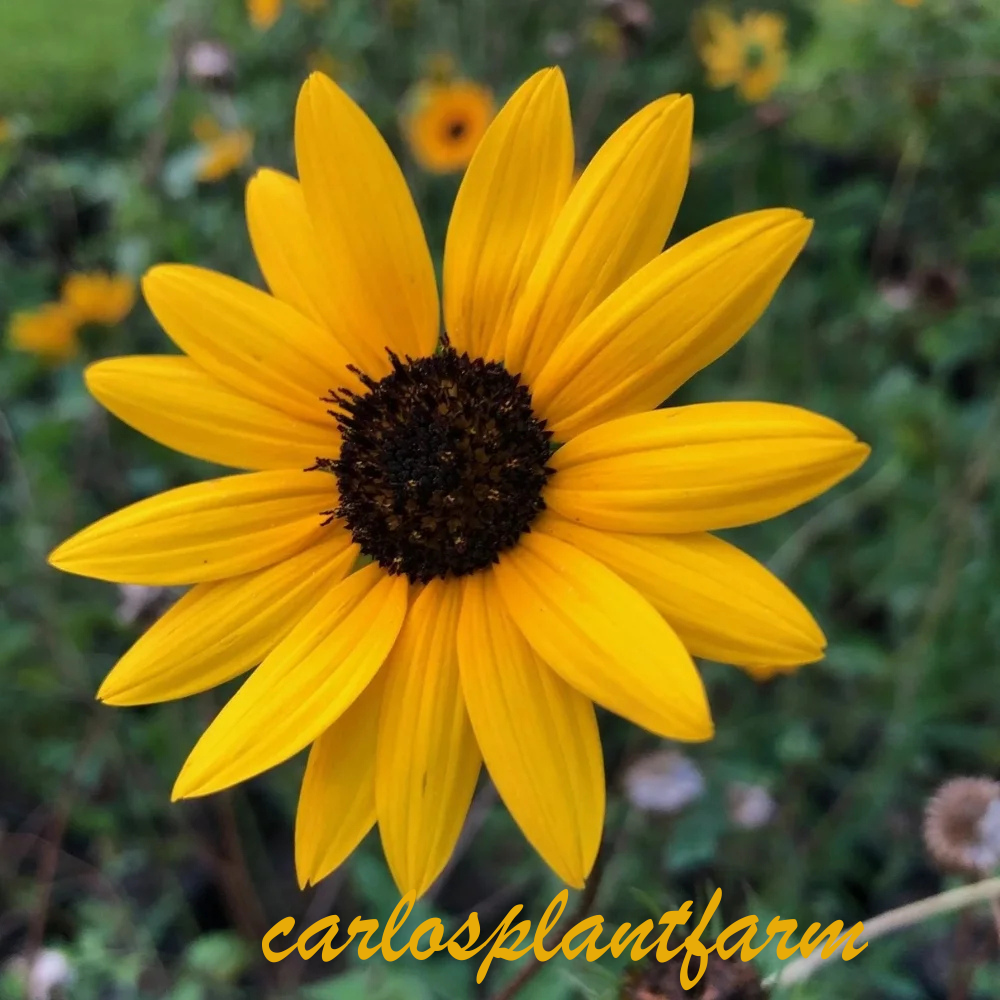
Dune Sunflower Plant – Helianthus debilis (Florida-Native Beach Sunflower Groundcover, Live Starter Plant)
Price range: $33.79 through $178.32
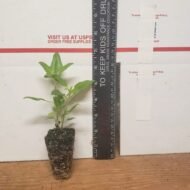
Brighten any sunny, sandy, or coastal spot with a live Dune Sunflower (Helianthus debilis), also called beach sunflower. This Florida-native perennial groundcover spreads into a low carpet of cheerful yellow, brown-centered flowers that bloom nearly year-round and draw butterflies, bees, and birds. Exceptionally salt-, wind-, and drought-tolerant, it grows about 1–2 feet tall and 3–4 feet wide — perfect for groundcover, erosion control, borders, and seaside gardens. Shipped as a healthy, fully rooted live starter plant (under 12 inches tall) — not seeds — by Carlo’s Plant Farm. Cold hardy in USDA zones 8–11.
Description
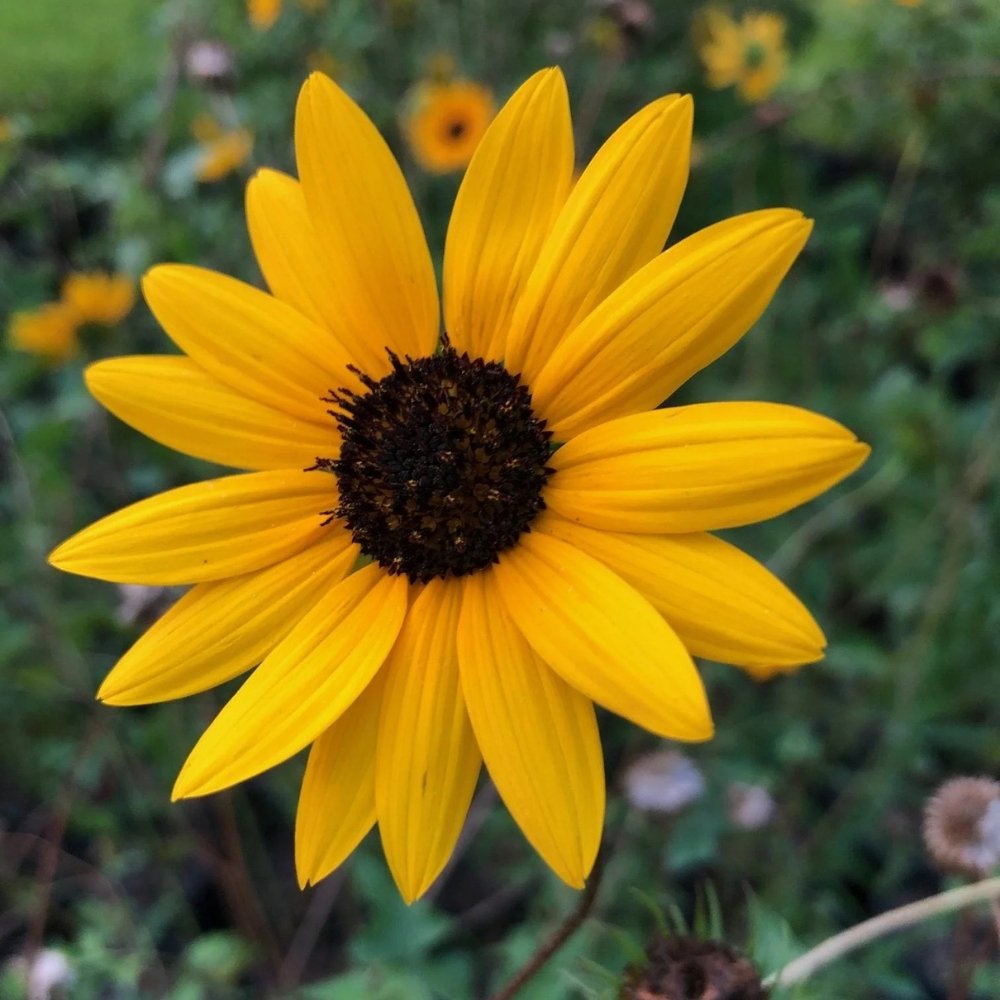
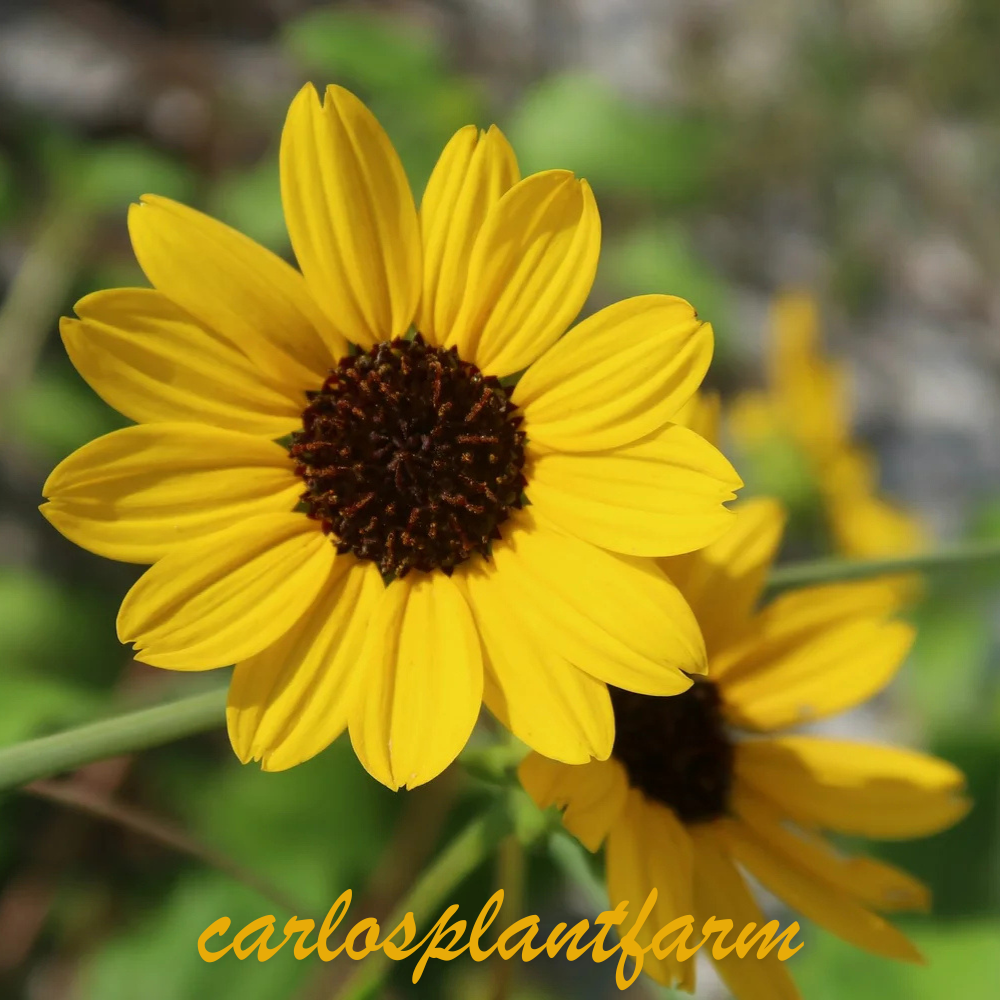
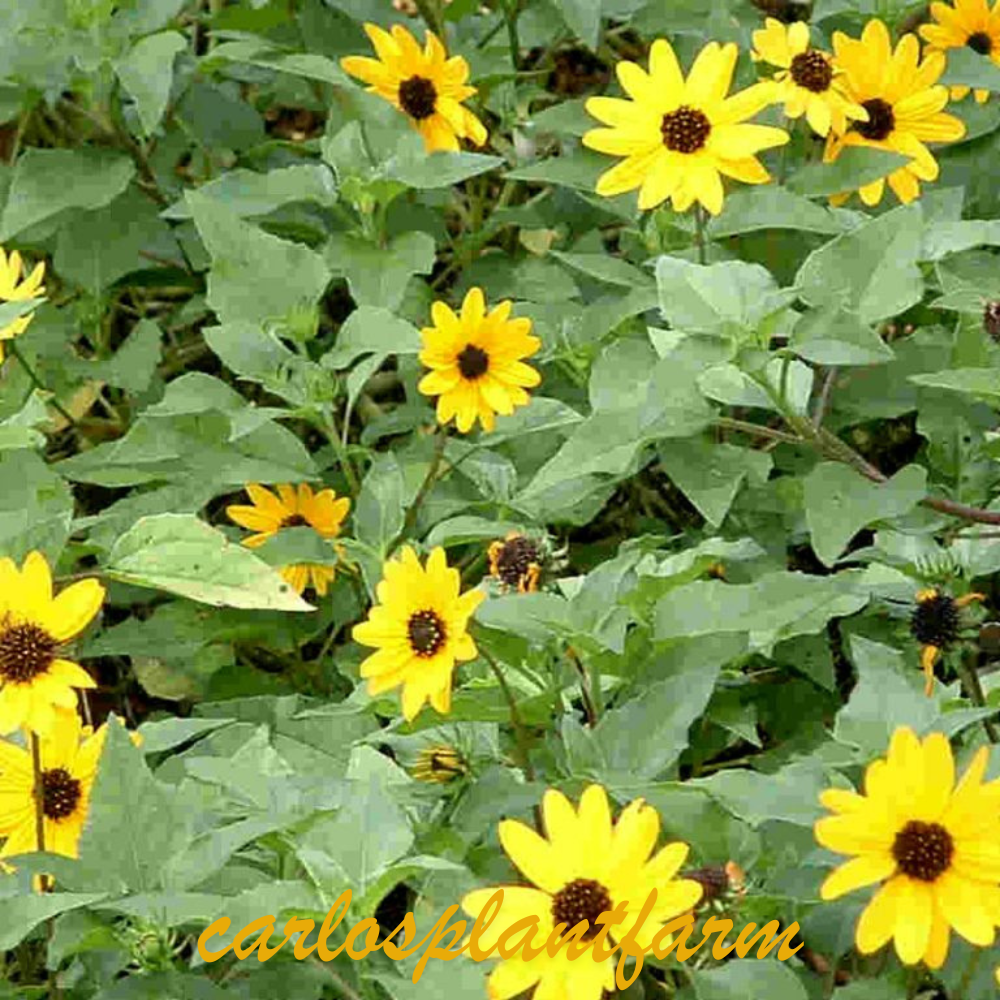
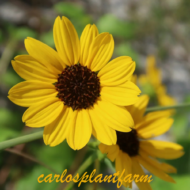
The Dune Sunflower (Helianthus debilis), also called beach sunflower, is a tough, cheerful Florida-native wildflower that blooms almost year-round in warm climates. This fast-spreading perennial groundcover forms a low, mounding carpet of dark green foliage covered in bright yellow, daisy-like flowers with rich brownish-red centers. A magnet for butterflies, bees, and other pollinators, with seeds that feed birds, the Dune Sunflower is also exceptionally salt-, wind-, and drought-tolerant, making it one of the best choices for coastal and low-water gardens.
Why Grow a Dune Sunflower?
- Florida native & wildlife-friendly – a native coastal wildflower that attracts butterflies, bees, and pollinators, with seeds that feed birds.
- Blooms nearly year-round – bright yellow, brown-centered flowers spring through fall, and continuously in frost-free areas.
- Salt & wind tolerant – thrives on dunes and in seaside gardens, handling salt spray and coastal wind.
- Very drought-tolerant – also once established it needs little to no water, so it is perfect for low-water and xeriscape designs.
- Fast, easy groundcover – spreads quickly to cover ground, control erosion, and cascade over walls and containers.
Looking for more flowering and groundcover ideas? Browse our Flowering Plants and Groundcovers & Border Plants collections.
Plant Specifications at a Glance
- Botanical name: Helianthus debilis (dune sunflower, beach sunflower, East Coast dune sunflower)
- Plant type: Spreading, fast-growing perennial groundcover (short-lived perennial; reseeds readily, grown as an annual where winters freeze)
- Plant family: Asteraceae (the aster/daisy family)
- Mature size: about 1–2 feet tall with a 3–4 feet spread
- Flowers: Bright yellow, daisy-like rays around a brownish-red center, about 2–3 inches across
- Bloom season: Spring through fall, and nearly year-round in frost-free areas
- Wildlife: Attracts butterflies, bees, and pollinators; birds eat the seeds
- Notable traits: Florida native; salt-, wind-, and drought-tolerant; pet-safe
- Cold Hardiness Zones: 8–11
Dune Sunflower Care & Growing Guide
This is one of the easiest, lowest-care plants you can grow. Follow these simple guidelines:
- Sunlight: Full sun for the best flowering. In fact, the flower heads even follow the sun through the day.
- Water: Water regularly to get it established, then back off. It is very drought-tolerant. However, over-watering can cause decline and disease, so let it dry between waterings.
- Soil: Prefers dry, sandy, well-drained soil. However, avoid heavy, soggy ground.
- Cold Hardiness Zone: 8–11. In areas with hard freezes it may die back or behave as an annual. However, it reseeds readily.
- Maintenance: Deadhead or shear to keep it tidy and encourage blooms, and cut back in spring for fresh, full growth. Since it is a prolific self-seeder, trim spent flowers if you want to limit spread.
Native-plant note: there are several regional subspecies and ecotypes of dune sunflower (for example, east-coast and west-coast forms in Florida). Because they can hybridize, it is best to plant the subspecies native to your own area.
Ways to Use Dune Sunflower in the Landscape
This cheerful native carpets sunny, sandy spaces fast. Popular uses for the Dune Sunflower include:
- Fast-spreading groundcover for sunny, dry, sandy areas
- Also erosion control on dunes, slopes, and open ground
- Coastal and beachside gardens that face salt and wind
- Similarly, borders, edging, and mass plantings
- Butterfly, pollinator, and wildflower gardens, cascading over walls and containers
It pairs beautifully with other sun-loving, low-water plants. For example, gardeners often combine it with the yellow-flowered Golden Glory Ornamental Peanut, the orange Bulbine Hallmark Orange, or the purple Mexican Petunia (Purple Showers).
What You’ll Receive
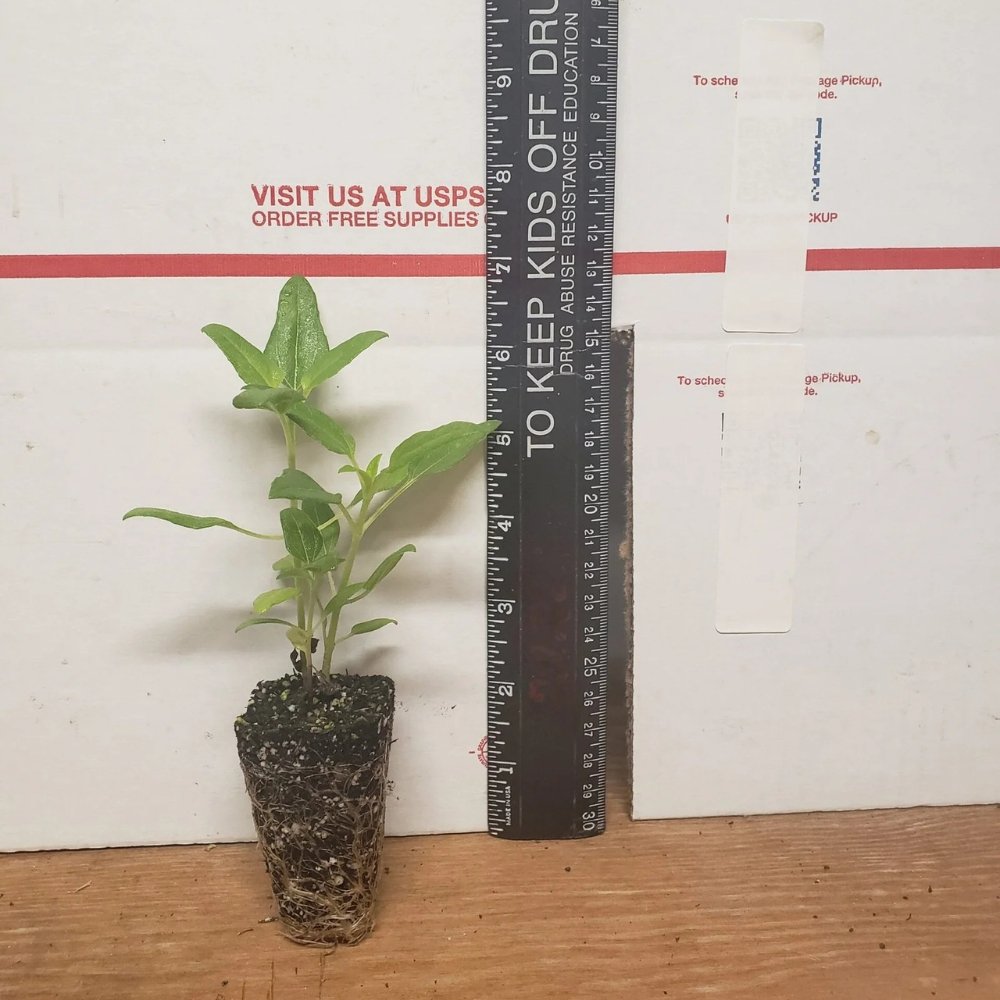
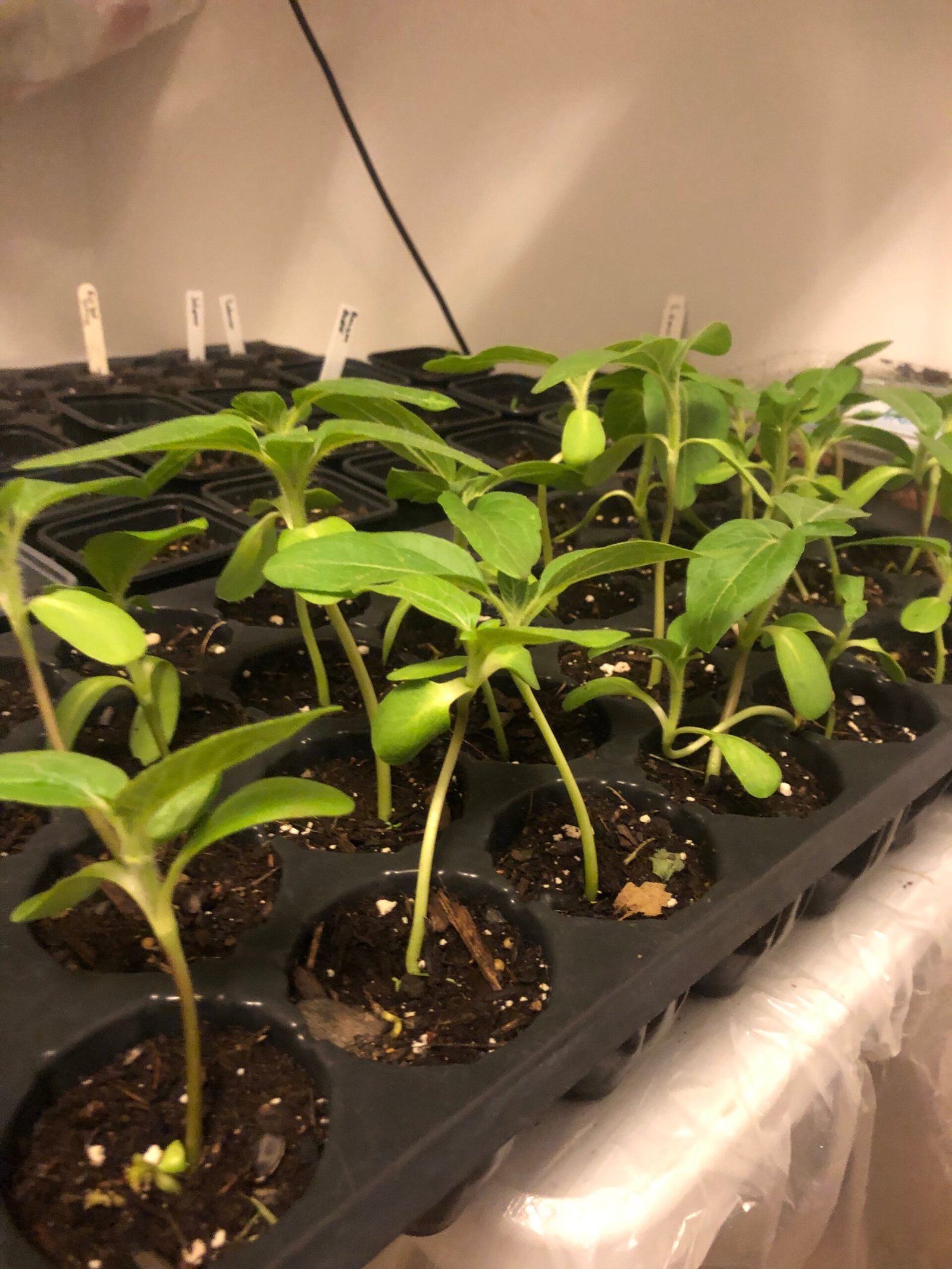
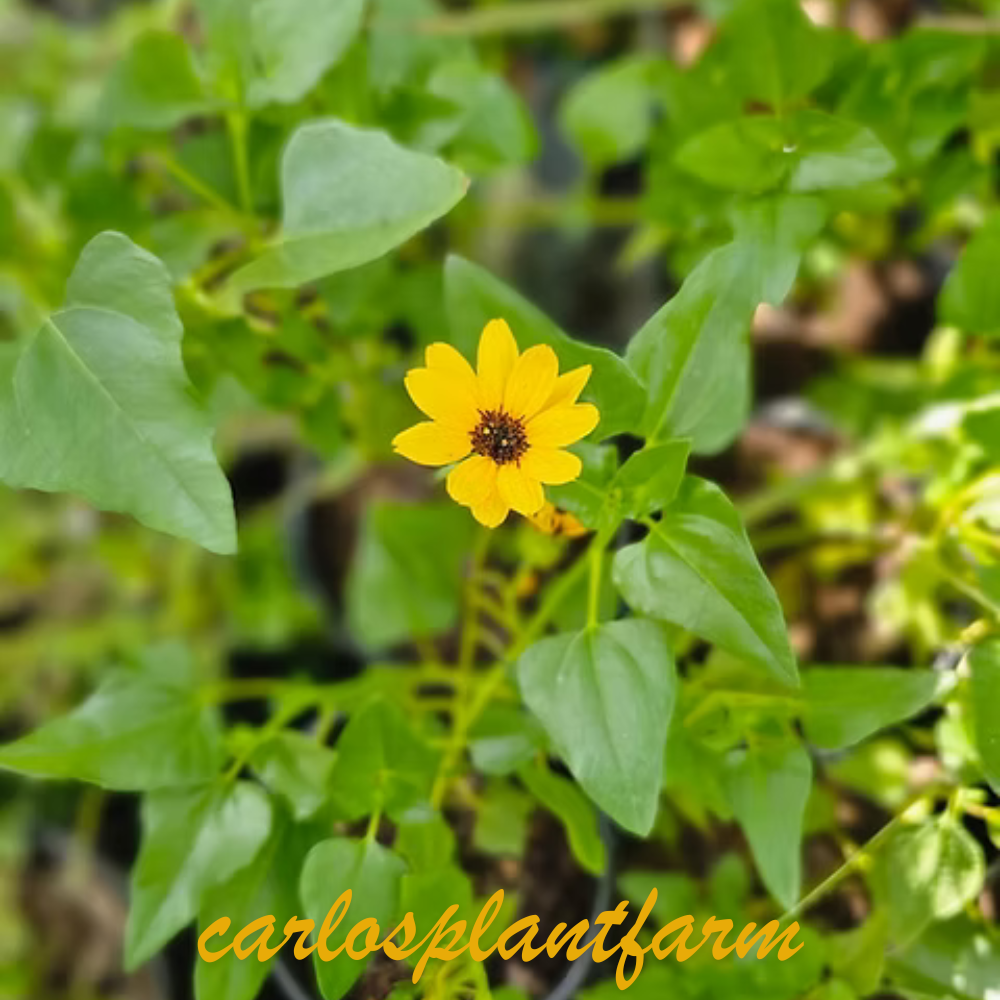
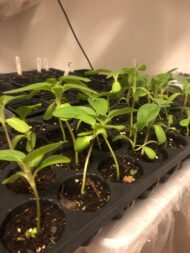
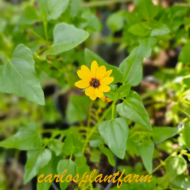
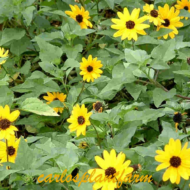
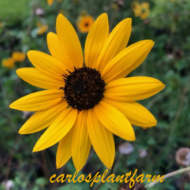
These are live, fully rooted Dune Sunflower starter plants — not seeds — grown and shipped by Carlo’s Plant Farm. Each plant is less than 12 inches tall when we ship it, giving you a head start on a fast-spreading native groundcover. The listing photos show mature plants of the same species. That way, you can see how yours will look as they grow and bloom. Finally, choose your preferred bundle size using the options above.
Also, due to different state laws, we reserve the right to charge extra fees where necessary to comply.
Ordering, Shipping & Returns
Every order ships free and is insured against loss or damage in transit. For full details on how we pack and send your plants, processing and delivery times, and what to do in the rare case of a problem, please review our Shipping Policy and Terms & Conditions before purchasing. By placing an order, you agree to those terms.
Dune Sunflower FAQ
Growing & Care Questions
What is a Dune Sunflower?
It is a tough, cheerful Florida-native wildflower, Helianthus debilis, also called beach sunflower. Notably, it forms a low, mounding carpet of dark green foliage covered in bright yellow, daisy-like flowers with brownish-red centers.
Is the Dune Sunflower good for pollinators?
Yes, it is a magnet for them. The flowers attract butterflies, bees, and other pollinators, while birds eat the seeds. As a result, it is a standout choice for wildlife gardens.
How big does the Dune Sunflower get?
It grows about 1 to 2 feet tall with a 3 to 4 foot spread. As a result, it works as a fast groundcover that covers ground, controls erosion, and cascades over walls.
How far apart should I plant Dune Sunflower for groundcover?
For quick coverage, space plants about 2 to 3 feet apart. Because it spreads fast, that spacing lets the mounds knit together into a solid carpet.
How much sun does the Dune Sunflower need?
It needs full sun for the best flowering. In fact, the flower heads even follow the sun across the sky through the day.
Hardiness, Buying & Shipping Questions
How often should I water the Dune Sunflower?
Water regularly to get it established, then back off. It is very drought-tolerant. However, over-watering can cause decline and disease, so let the soil dry between waterings.
Is the Dune Sunflower salt and wind tolerant?
Yes, exceptionally so. It thrives on dunes and in seaside gardens, handling salt spray and coastal wind. Therefore, it is one of the best choices for beachside and low-water landscapes.
What growing zones is the Dune Sunflower suited for?
It is hardy in USDA Cold Hardiness Zones 8 to 11. In areas with hard freezes it may die back or behave as an annual. However, it reseeds readily and returns.
Which type of Dune Sunflower should I plant?
There are several regional subspecies and ecotypes, for example east-coast and west-coast forms in Florida. Because they can hybridize, it is best to plant the subspecies native to your own area.
What size plants will I receive?
You will receive live Dune Sunflower starter plants. Each one is under 12 inches tall at shipping, grown and shipped by Carlo’s Plant Farm. The listing photos show mature plants of the same species. So you can see how yours will look as they grow and bloom. Finally, choose your bundle size using the options above.
Additional information
| Weight | 1 lbs |
|---|---|
| Dimensions | 12 × 4 × 4 in |
Reviews (0)
Related products
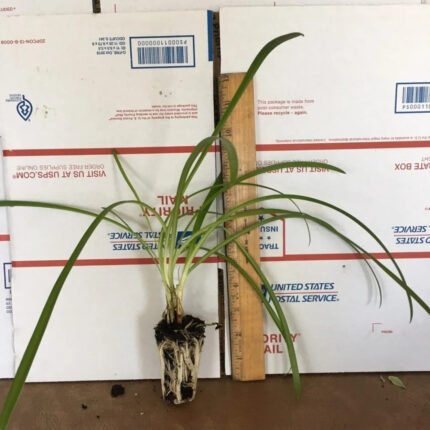
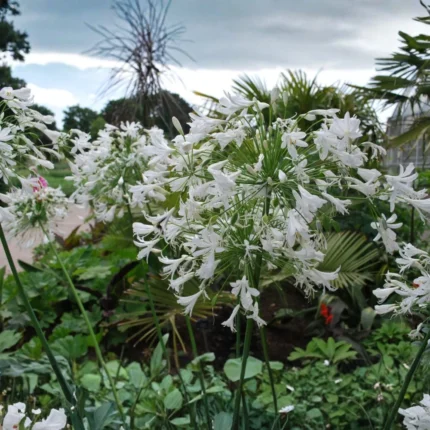
Agapanthus ‘Getty White’ – Lily of the Nile (White African Lily, Live Starter Plants)
Price range: $33.79 through $288.88
Select options
This product has multiple variants. The options may be chosen on the product page
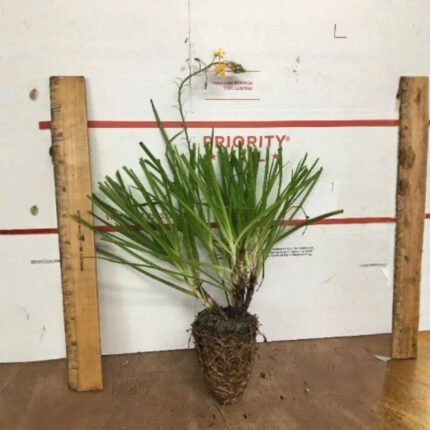
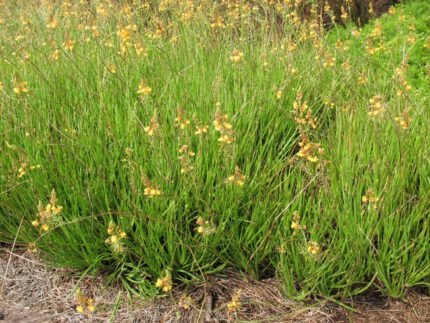
Bulbine ‘Hallmark’ Orange – Bulbine frutescens (Orange Bulbine, Live Starter Plants)
Price range: $33.79 through $178.32
Select options
This product has multiple variants. The options may be chosen on the product page
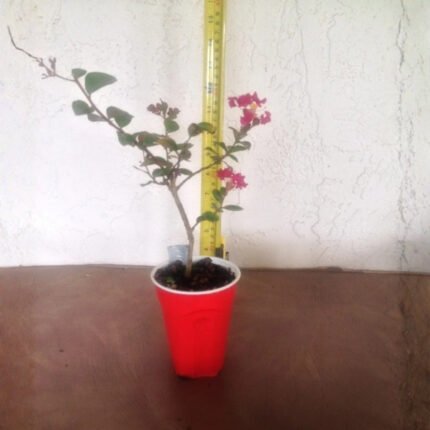
Sold out
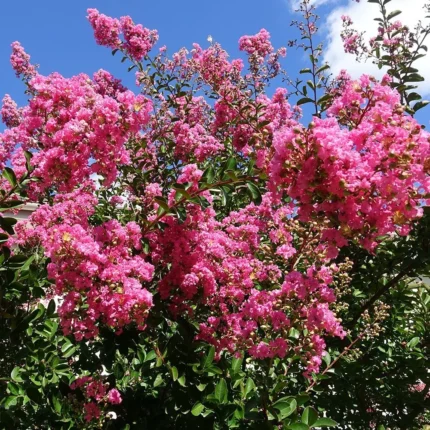
Crape Myrtle Tonto – Lagerstroemia ‘Tonto’ (Fuchsia-Red Flowering Tree, Live Starter Plants)
Price range: $33.79 through $178.32
Select options
This product has multiple variants. The options may be chosen on the product page
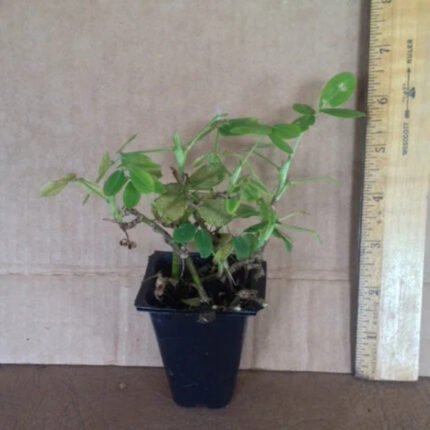
Sold out
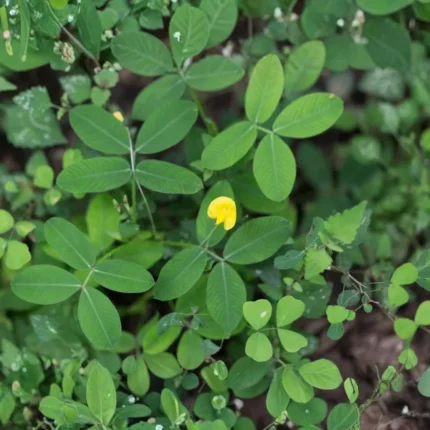
Golden Glory Ornamental Peanut – Arachis glabrata (Perennial Peanut Groundcover, Live Starter Plants)
Price range: $33.79 through $178.32
Select options
This product has multiple variants. The options may be chosen on the product page
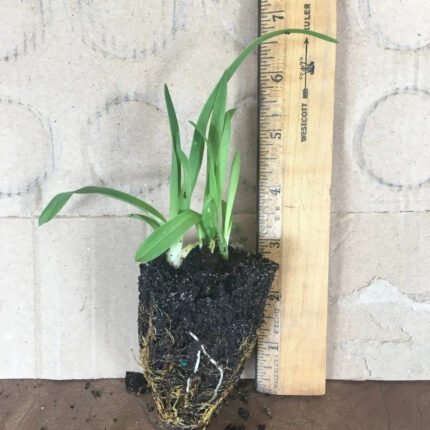
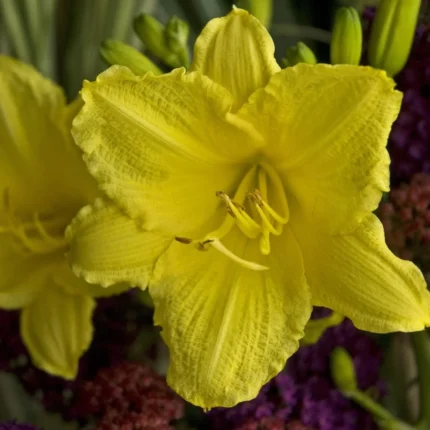
Happy Returns Daylily – Hemerocallis ‘Happy Returns’ (Reblooming Yellow Daylily, Live Starter Plants)
Price range: $33.79 through $178.32
Select options
This product has multiple variants. The options may be chosen on the product page
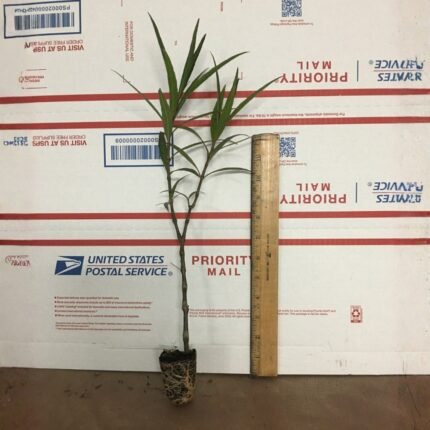
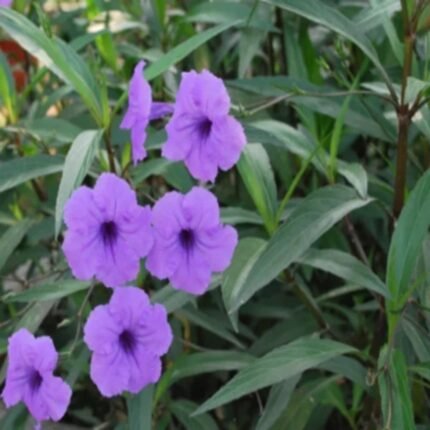
Mexican Petunia ‘Purple Showers’ – Ruellia simplex (Sterile, Live Starter Plant)
Price range: $33.79 through $178.32
Select options
This product has multiple variants. The options may be chosen on the product page
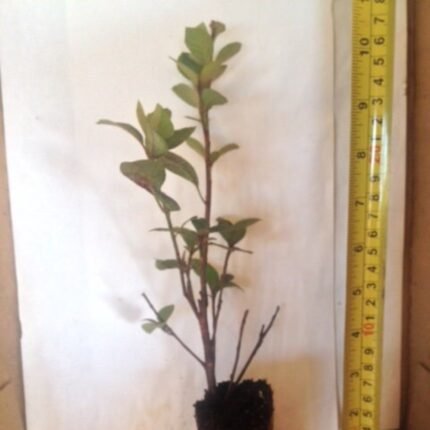
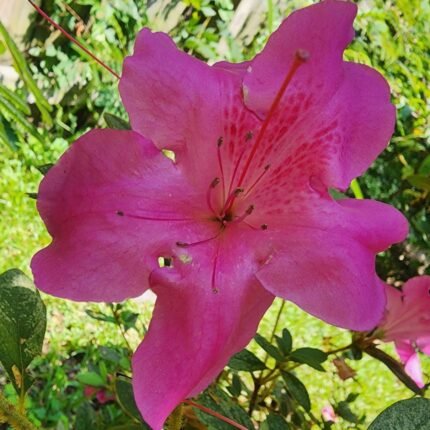
Red Formosa Azalea – Rhododendron ‘Red Formosa’ (Southern Indica Evergreen Azalea, Live Starter Plants)
Price range: $33.79 through $178.32
Select options
This product has multiple variants. The options may be chosen on the product page
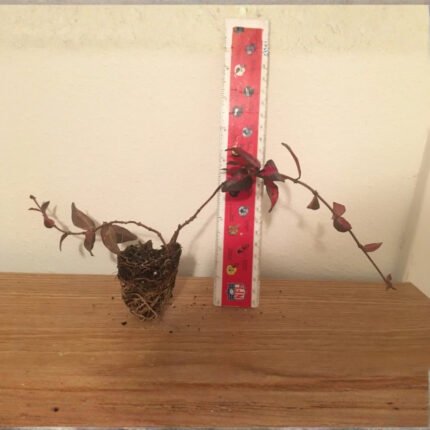
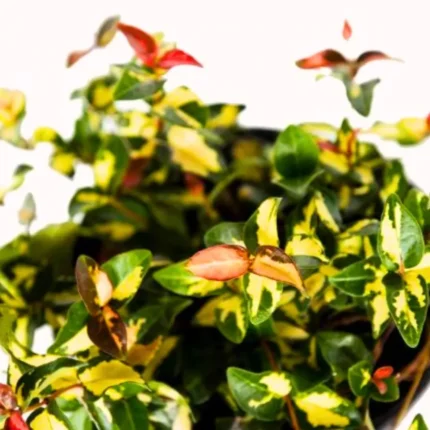
Summer Sunset Jasmine – Trachelospermum asiaticum (Colorful Asiatic Jasmine Groundcover, Live Starter Plants)
Price range: $33.79 through $178.32
Select options
This product has multiple variants. The options may be chosen on the product page
Reviews
Clear filtersThere are no reviews yet.