
Viburnum Spring Bouquet Plant – Viburnum tinus (Laurustinus, Live Starter Shrub)
Price range: $33.79 through $178.32
White African Iris Plant – Dietes iridioides (Fortnight Lily, Live Starter Plant)
Price range: $33.79 through $178.32
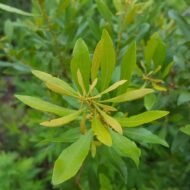
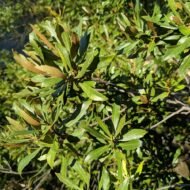
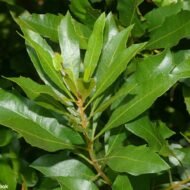

Wax Myrtle Plant – Myrica cerifera (Southern Wax Myrtle, Live Starter Shrub)
Price range: $33.79 through $178.32
Create a fast, fragrant privacy screen with a live Wax Myrtle plant (Myrica cerifera), also known as Southern Wax Myrtle or bayberry. This tough, salt-tolerant native evergreen grows about 3–5 feet per year into a dense hedge or windbreak, with aromatic leaves and wildlife-friendly berries. It thrives in sun to part shade and almost any soil — wet, dry, sandy, or coastal. Shipped as a healthy live starter plant (under 12 inches tall) by Carlo’s Plant Farm. Cold hardy in USDA zones 7–11.
Description
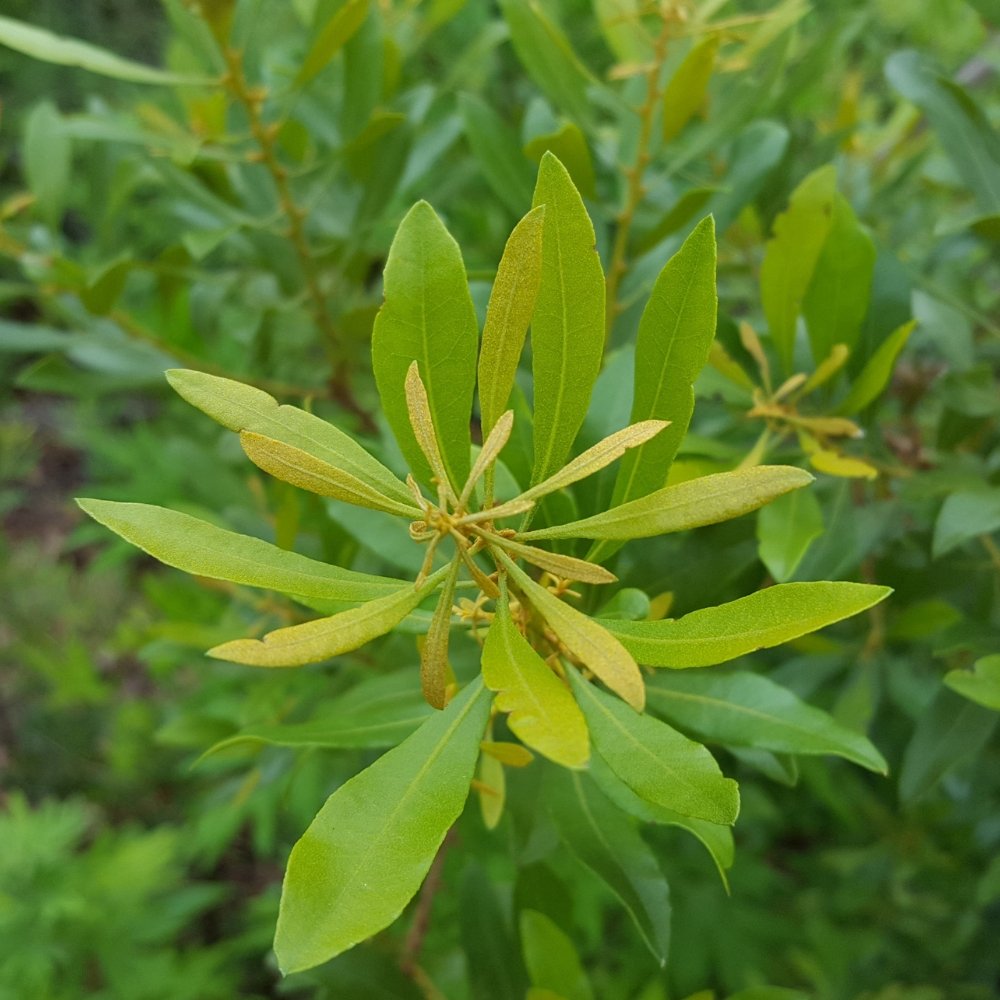
The Wax Myrtle plant (Myrica cerifera) is also known as Southern Wax Myrtle or Southern Bayberry. It is one of the fastest, toughest, and most useful native evergreens you can plant. This salt-tolerant shrub forms a dense, fragrant screen in record time. As a result, the Wax Myrtle plant is a favorite for privacy hedges, windbreaks, and coastal landscapes. Its aromatic, olive-green leaves release a pleasant bayberry scent when crushed. Growth runs about 3 to 5 feet per year, so a young plant fills in quickly.
Why Grow a Wax Myrtle Plant?
- Fast-growing privacy screen – dense, evergreen foliage and rapid 3–5 foot-per-year growth make it ideal for hedges, windbreaks, and property-line screening.
- Incredibly tough & adaptable – thrives in wet, dry, sandy, poor, and salty soils alike, and tolerates heat, humidity, wind, and urban conditions.
- Outstanding salt tolerance – especially a top choice for coastal and seaside gardens, salt spray, and roadsides.
- Fragrant, useful foliage – aromatic leaves with the classic bayberry scent; the waxy berries on female plants were historically used to make bayberry candles and soap.
- Native & wildlife-friendly – also native to the southeastern U.S., it feeds songbirds, supports pollinators and butterflies, and even fixes nitrogen to enrich poor soil.
Looking to build a living privacy screen? Explore more options in our Shrubs & Bushes and Outdoor Plants collections.
Plant Specifications at a Glance
- Botanical name: Myrica cerifera (also classified as Morella cerifera; known as southern wax myrtle, southern bayberry, candleberry)
- Plant type: Fast-growing, native, evergreen shrub or small tree
- Plant family: Myricaceae (the bayberry family)
- Mature size: commonly 10–15 feet tall and 8–10 feet wide (can reach 20+ feet as a small tree, or be kept smaller with pruning)
- Growth rate: Fast — roughly 3–5 feet per year
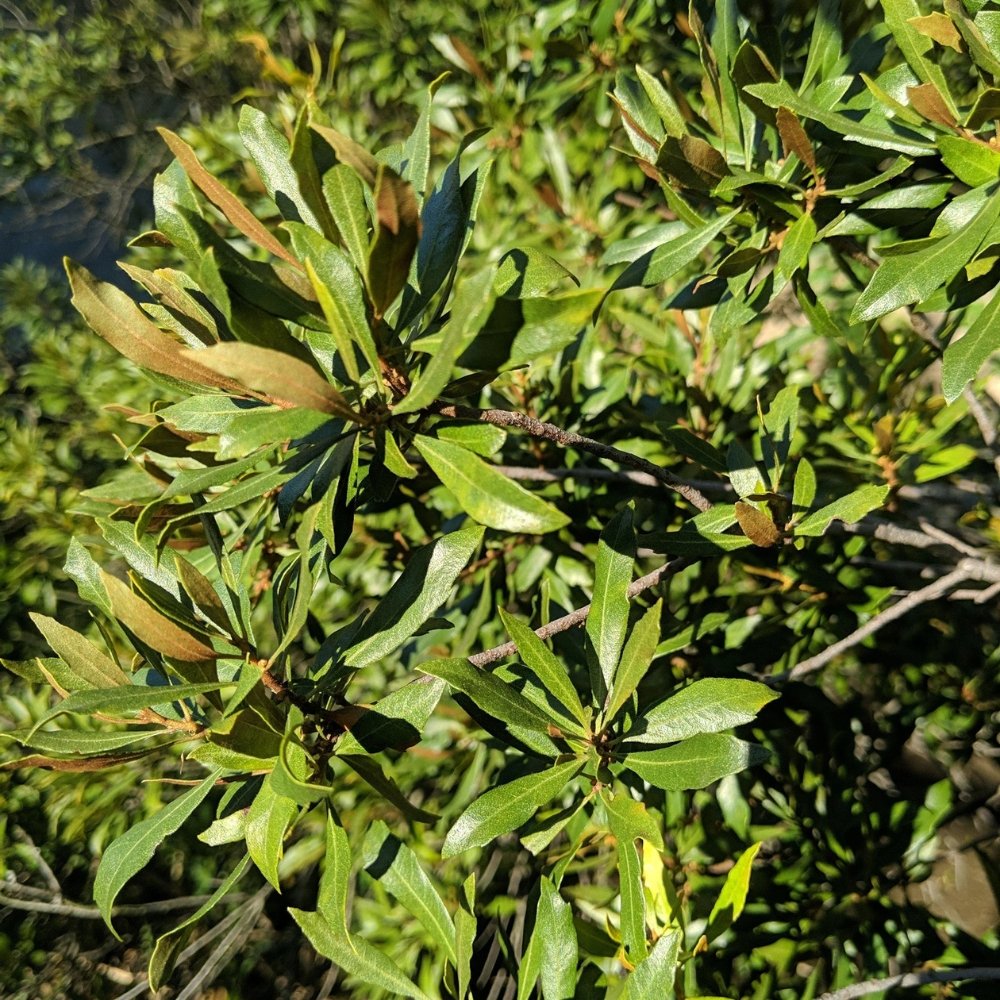
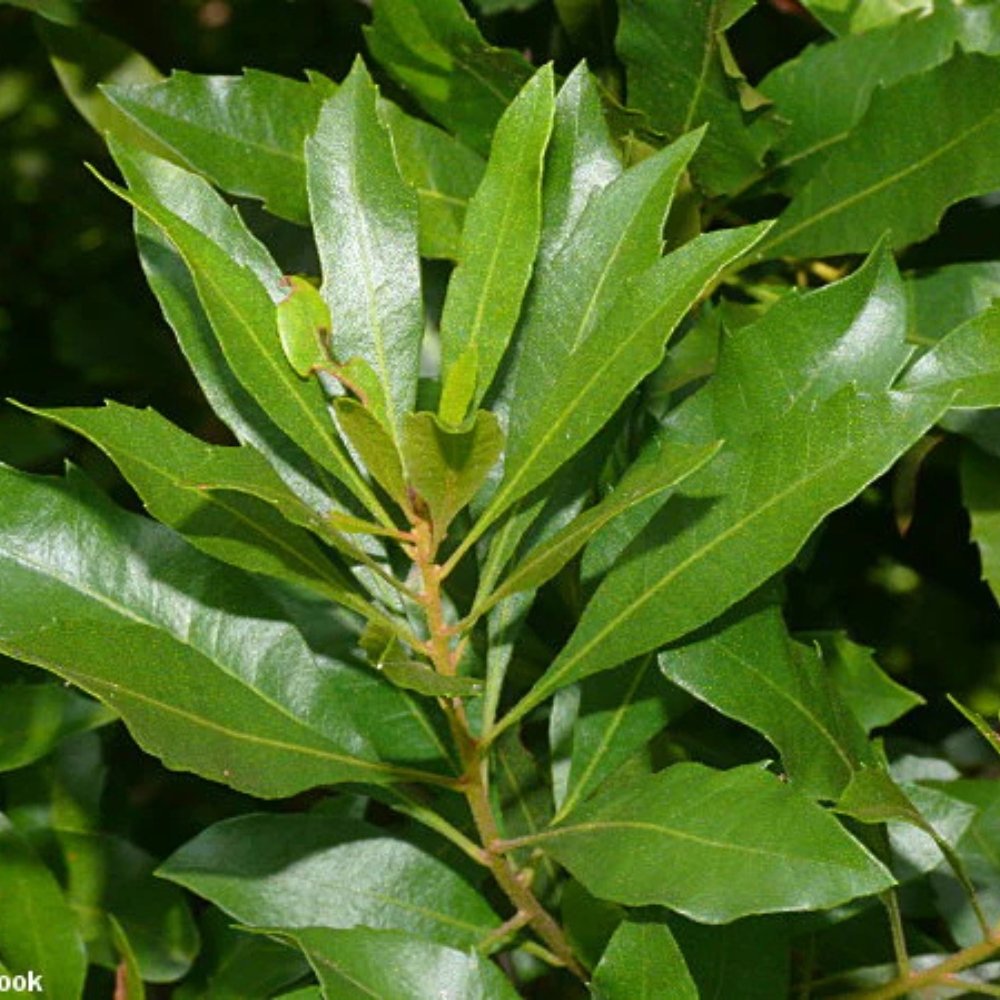
- Foliage: Aromatic, olive-green, evergreen leaves; blue-gray waxy berries on female plants
- Notable traits: Salt-tolerant, wind-tolerant, nitrogen-fixing, deer-resistant
- Cold Hardiness Zones: 7–11 (semi-evergreen in the colder end of its range)
Wax Myrtle Care & Growing Guide
The Wax Myrtle plant is famously easy to grow. Follow these simple guidelines:
- Sunlight: Full sun to partial sun. Generally, it grows densest and produces the most berries in full sun, though it tolerates part shade well.
- Water: Water regularly to establish a strong root system. Once mature, it needs only occasional watering, with more during prolonged drought. In addition, it tolerates wet, occasionally flooded soil.
- Soil: Prefers moist soil, though it adapts to a very wide range, from sandy and loamy to poor, wet, or dry. Slightly acidic to neutral pH is ideal.
- Cold Hardiness Zone: 7–11.
- Pruning: Prune once per year to maintain your desired shape and density. It tolerates heavy shearing for formal hedges, or it can be limbed up into a small multi-trunk tree. Because berries form on older wood, lighter pruning preserves the wildlife-friendly fruit.
Good to know: wax myrtle foliage contains aromatic, flammable oils. Therefore, in fire-prone regions, avoid planting it right up against your home’s structure.
Ways to Use Wax Myrtle in the Landscape
This fast, salt-tough native excels at screening. Popular uses for the Wax Myrtle plant include:
- Fast-growing privacy hedge, screen, or windbreak
- Also coastal and seaside plantings (excellent salt tolerance)
- Erosion control on banks and slopes
- Similarly, rain gardens, pond margins, and streambanks
- Wildlife and native gardens, or limbed up as a small specimen tree
Wax myrtle pairs well with other dense evergreen shrubs for layered screening. For example, gardeners often combine it with Viburnum Spring Bouquet, Viburnum Densa, or Sinense Ligustrum to create a fuller, more varied living fence.
What You’ll Receive
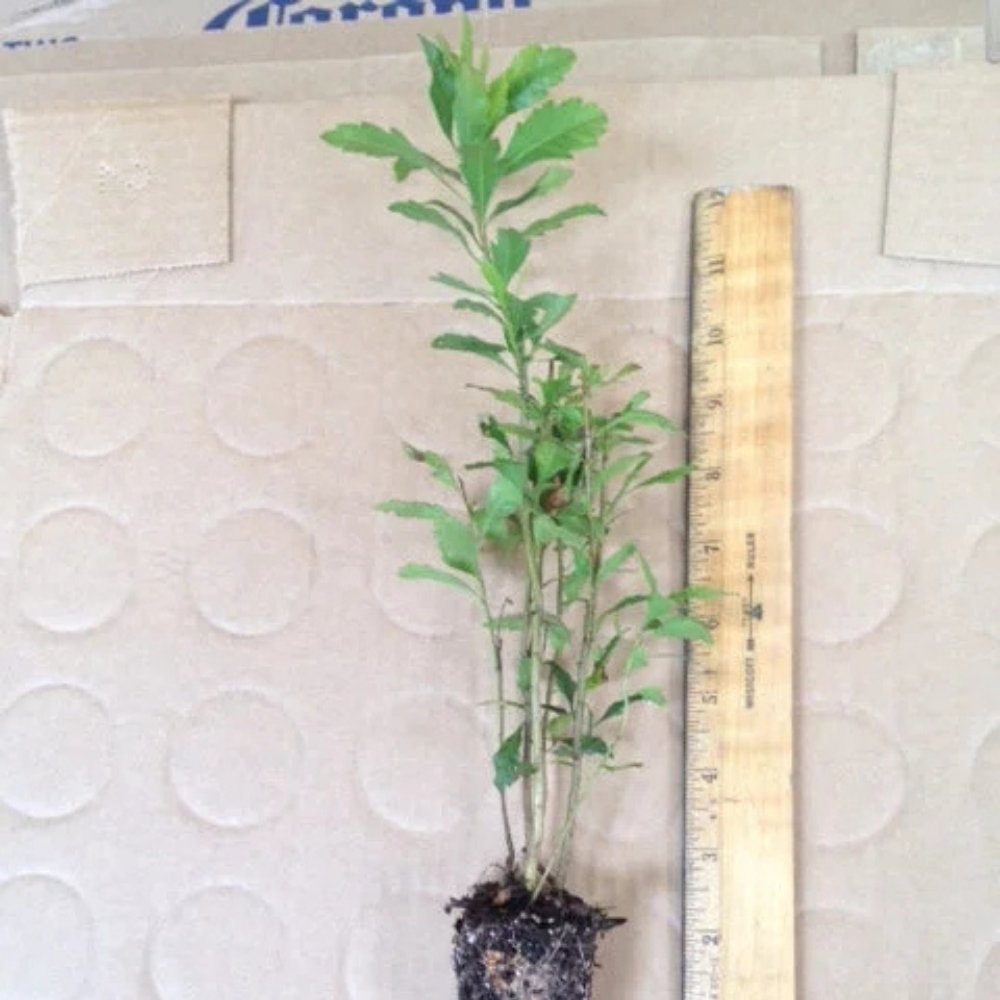
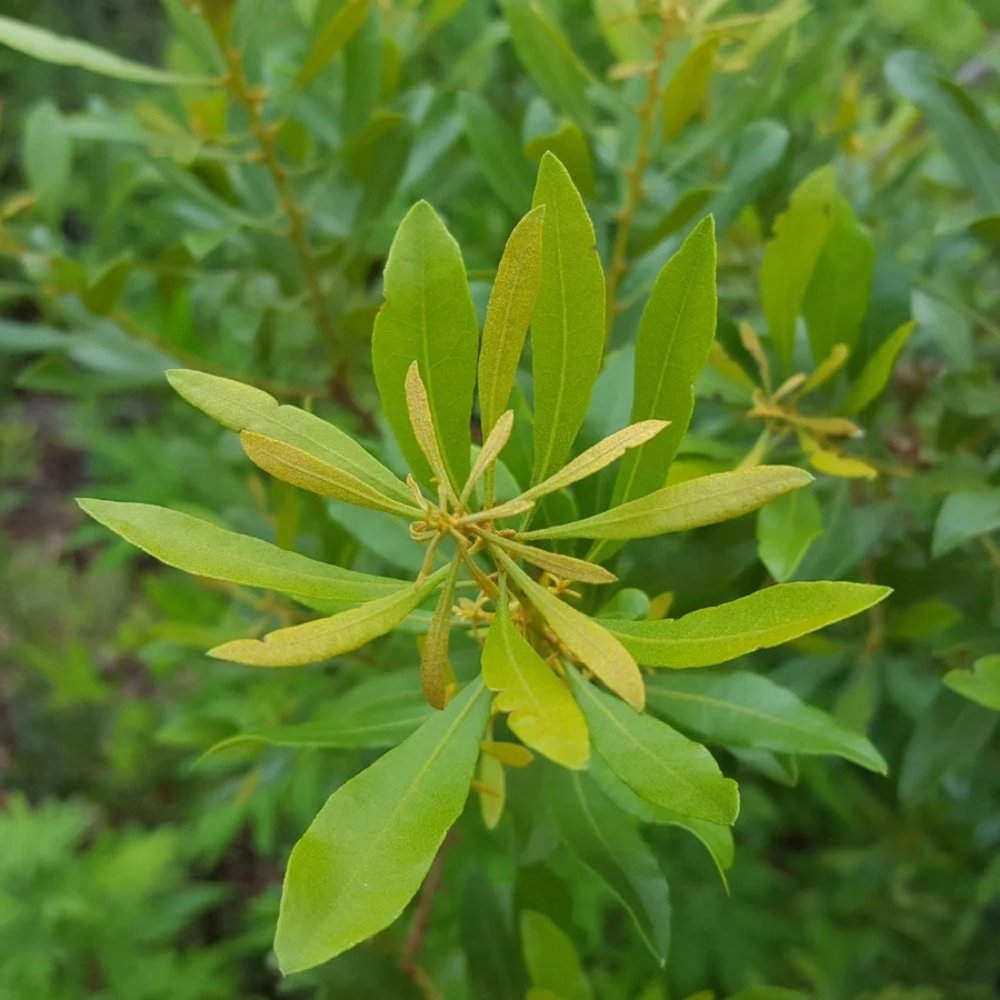
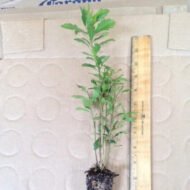
These are live, fully rooted Wax Myrtle starter plants — potted and ready to plant, not bare-root sticks — grown and shipped by Carlo’s Plant Farm. Each plant is less than 12 inches tall when we ship it, giving you a strong head start on a fast-growing privacy hedge. The listing photos show mature plants of the same species. That way, you can see how yours will look as they grow. Finally, choose your preferred bundle size using the options above.
Also, due to different state laws, we reserve the right to charge extra fees where necessary to comply.
Ordering, Shipping & Returns
Every order ships free and is insured against loss or damage in transit. For full details on how we pack and send your plants, processing and delivery times, and what to do in the rare case of a problem, please review our Shipping Policy and Terms & Conditions before purchasing. By placing an order, you agree to those terms.
Wax Myrtle FAQ
Growing & Care Questions
How fast does Wax Myrtle grow?
Very fast. It grows roughly 3 to 5 feet per year, so a young plant fills in quickly. As a result, it is one of the quickest ways to create a dense privacy screen.
How big does Wax Myrtle get?
It commonly reaches about 10 to 15 feet tall and 8 to 10 feet wide. However, you can keep it smaller as a clipped hedge or limb it up into a small multi-trunk tree.
How far apart should I plant Wax Myrtle for a hedge?
For a fast privacy hedge, space plants about 5 to 8 feet apart. That spacing lets the shrubs grow into a solid, continuous screen.
How much sun does Wax Myrtle need?
It grows in full sun to partial sun. Specifically, it is densest and produces the most berries in full sun, though it tolerates part shade well.
Is Wax Myrtle salt tolerant and good for the coast?
Yes, outstandingly so. It handles salt spray, sandy soil, and wind, so it is a top choice for coastal and seaside gardens, and even roadsides.
Hardiness, Buying & Shipping Questions
How often should I water Wax Myrtle?
Water regularly while it establishes a strong root system. Once mature, it needs only occasional watering, though give it more during prolonged drought. It also tolerates wet, occasionally flooded soil.
What growing zones is Wax Myrtle suited for?
It is hardy in USDA Cold Hardiness Zones 7 to 11. In the colder end of that range it is semi-evergreen, so it may drop some leaves in hard winters.
How and when should I prune Wax Myrtle?
Prune once a year to keep your desired shape and density. It tolerates heavy shearing for formal hedges. However, berries form on older wood, so lighter pruning preserves the wildlife-friendly fruit.
Why are the leaves fragrant, and are there any cautions?
The aromatic leaves give off the classic bayberry scent when crushed, and the waxy berries were historically used for bayberry candles. Importantly, the foliage contains flammable oils, so in fire-prone regions avoid planting it right against your home.
What size plants will I receive?
You will receive live Wax Myrtle starter plants. Each one is under 12 inches tall at shipping, grown and shipped by Carlo’s Plant Farm. The listing photos show mature plants of the same species. So you can see how yours will look as they grow. Finally, choose your bundle size using the options above.
Additional information
| Weight | 1 lbs |
|---|---|
| Dimensions | 12 × 4 × 4 in |
Reviews (0)
Related products
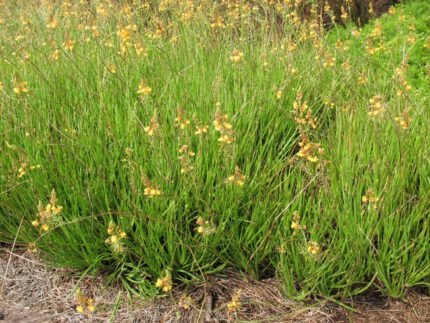
Bulbine ‘Hallmark’ Orange – Bulbine frutescens (Orange Bulbine, Live Starter Plants)
Price range: $33.79 through $178.32
Select options
This product has multiple variants. The options may be chosen on the product page
Sold out
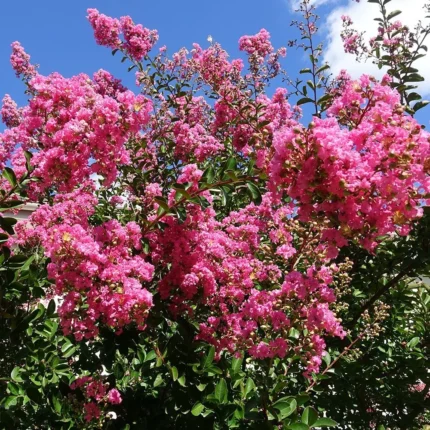
Crape Myrtle Tonto – Lagerstroemia ‘Tonto’ (Fuchsia-Red Flowering Tree, Live Starter Plants)
Price range: $33.79 through $178.32
Select options
This product has multiple variants. The options may be chosen on the product page

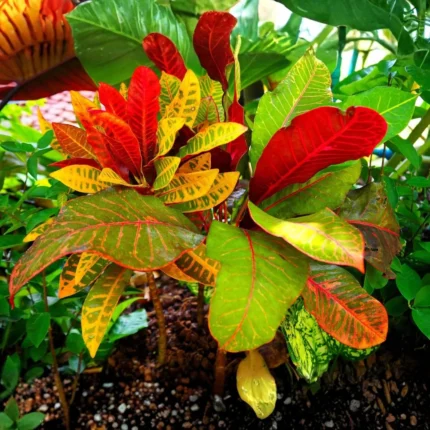
Croton ‘Petra’ – Codiaeum variegatum (Colorful Tropical Foliage, Live Starter Plant)
Price range: $33.79 through $178.32
Select options
This product has multiple variants. The options may be chosen on the product page
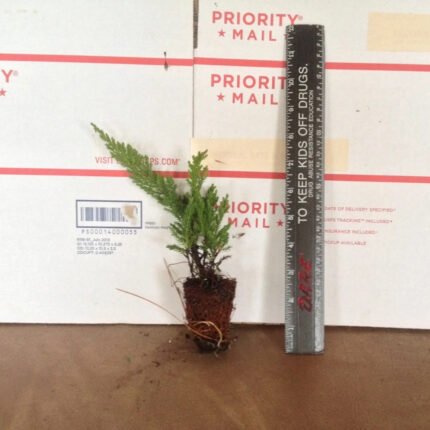
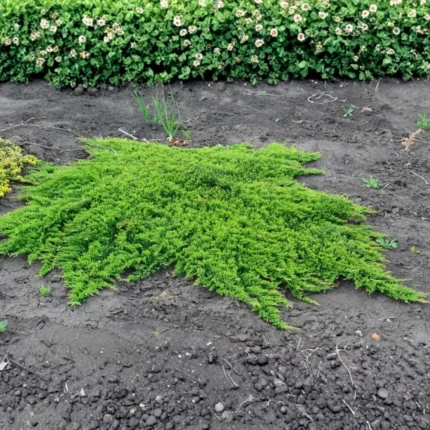
Juniper ‘Prince of Wales’ – Juniperus horizontalis (Creeping Evergreen Groundcover, Live Plants)
Price range: $33.79 through $178.32
Select options
This product has multiple variants. The options may be chosen on the product page
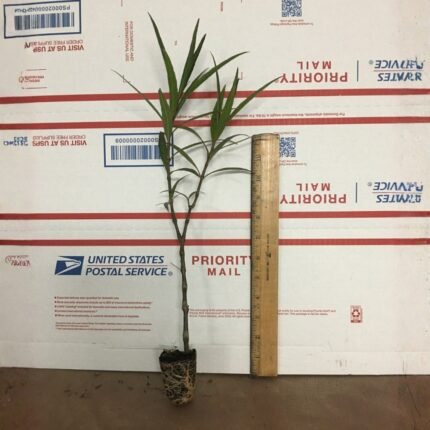
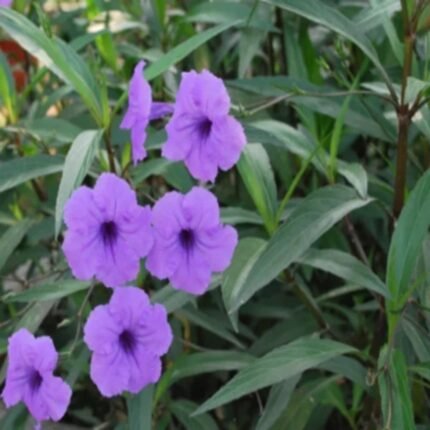
Mexican Petunia ‘Purple Showers’ – Ruellia simplex (Sterile, Live Starter Plant)
Price range: $33.79 through $178.32
Select options
This product has multiple variants. The options may be chosen on the product page
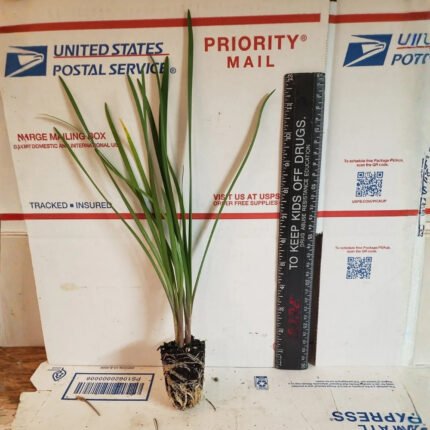
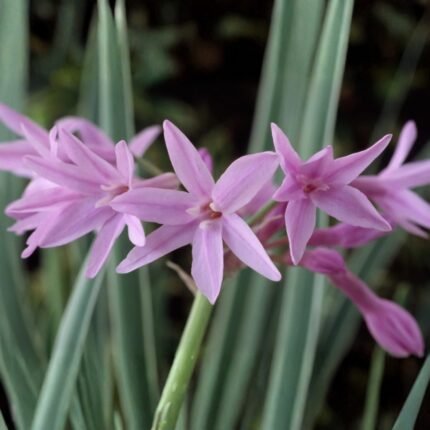
Society Garlic – Tulbaghia violacea (Edible Flowering Perennial, Live Plants)
Price range: $33.79 through $178.32
Select options
This product has multiple variants. The options may be chosen on the product page
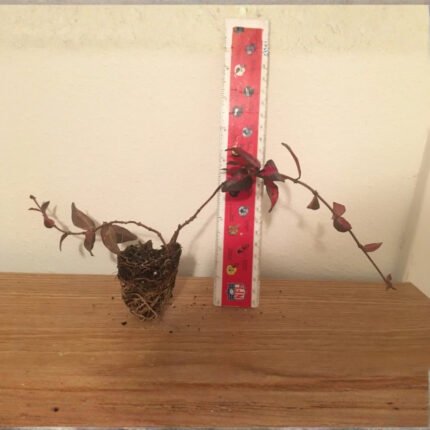
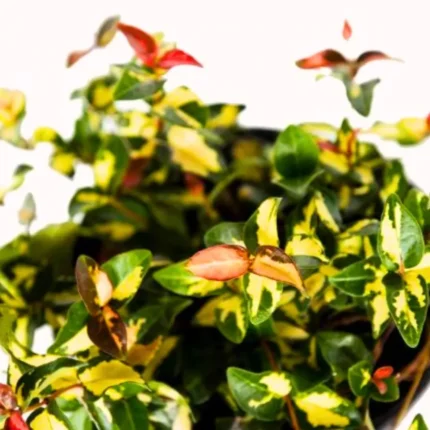
Summer Sunset Jasmine – Trachelospermum asiaticum (Colorful Asiatic Jasmine Groundcover, Live Starter Plants)
Price range: $33.79 through $178.32
Select options
This product has multiple variants. The options may be chosen on the product page
Variegated Chinese Privet – Ligustrum sinense ‘Variegatum’ (Live Starter Plant)
Price range: $33.79 through $178.32
Select options
This product has multiple variants. The options may be chosen on the product page
Reviews
Clear filtersThere are no reviews yet.