
Aztec Grass – Liriope muscari 'Aztec Grass' (Variegated Lilyturf, Live Starter Plants)
Price range: $33.79 through $178.32
Red Formosa Azalea – Rhododendron 'Red Formosa' (Southern Indica Evergreen Azalea, Live Starter Plants)
Price range: $33.79 through $178.32
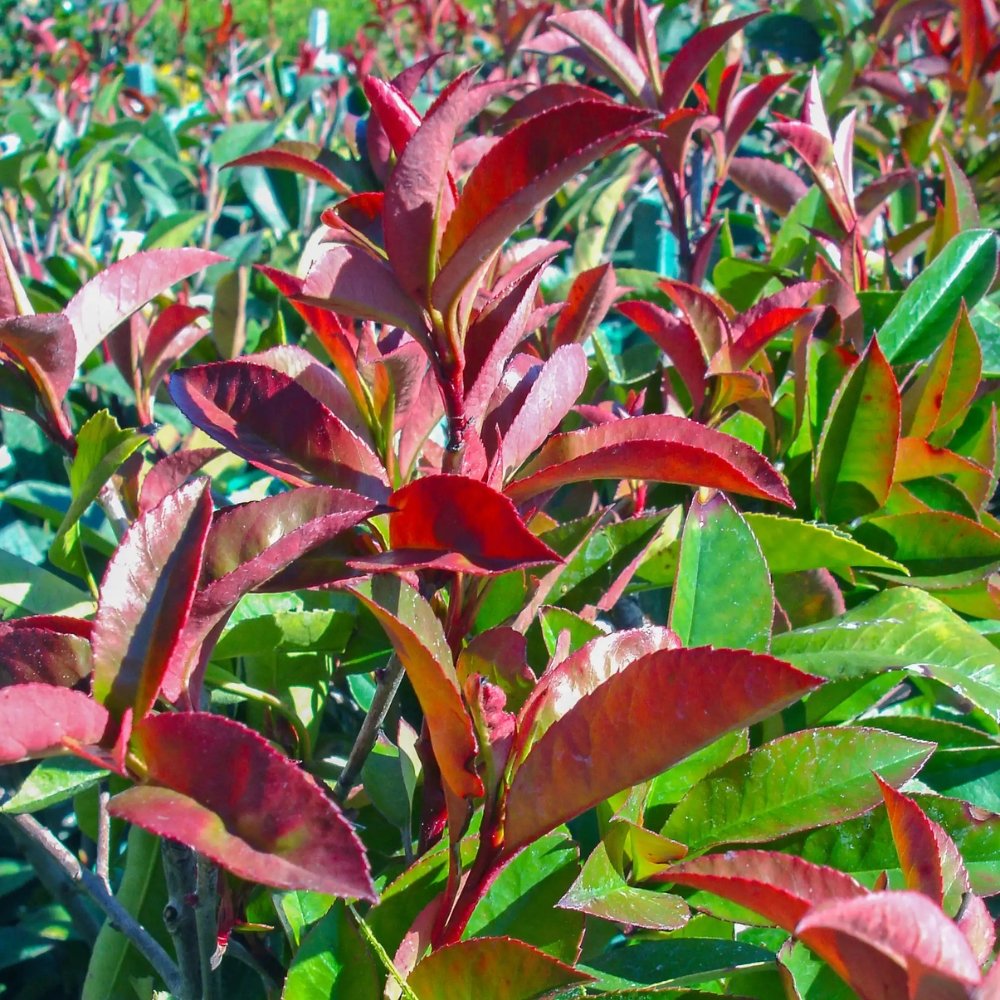
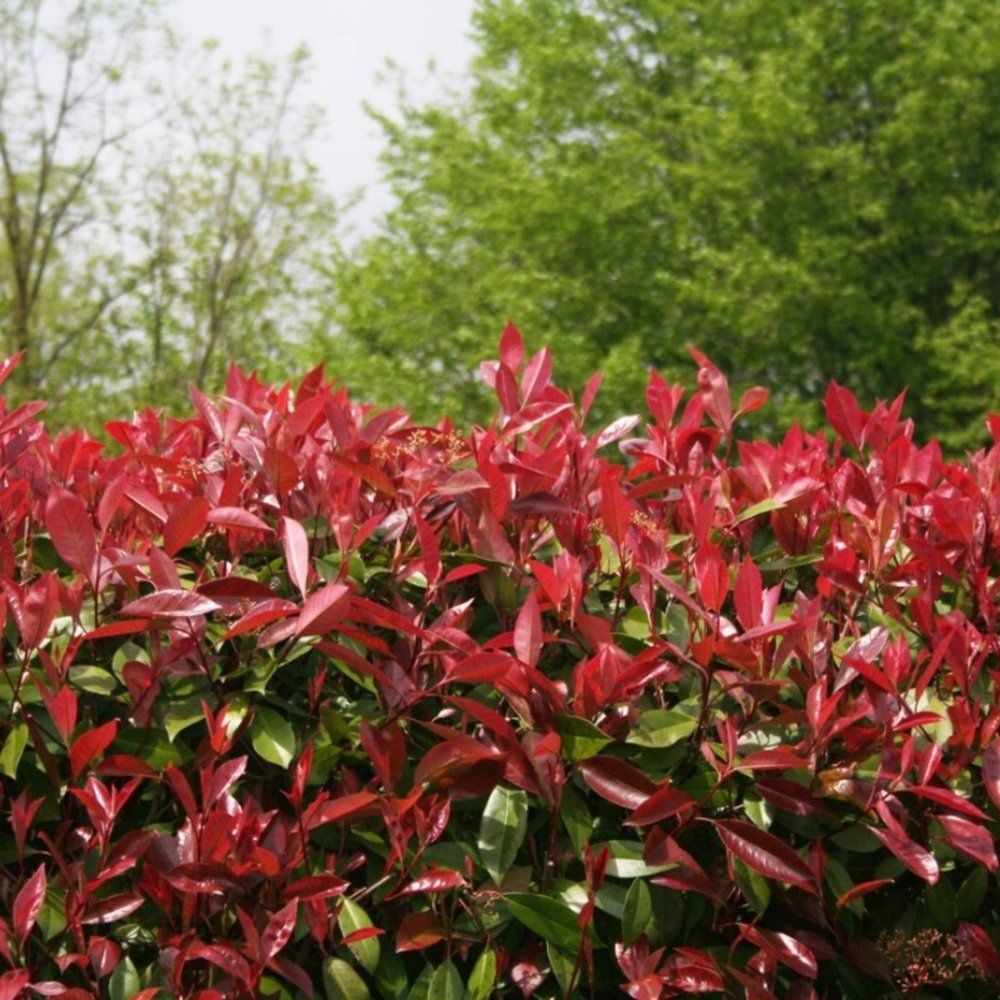
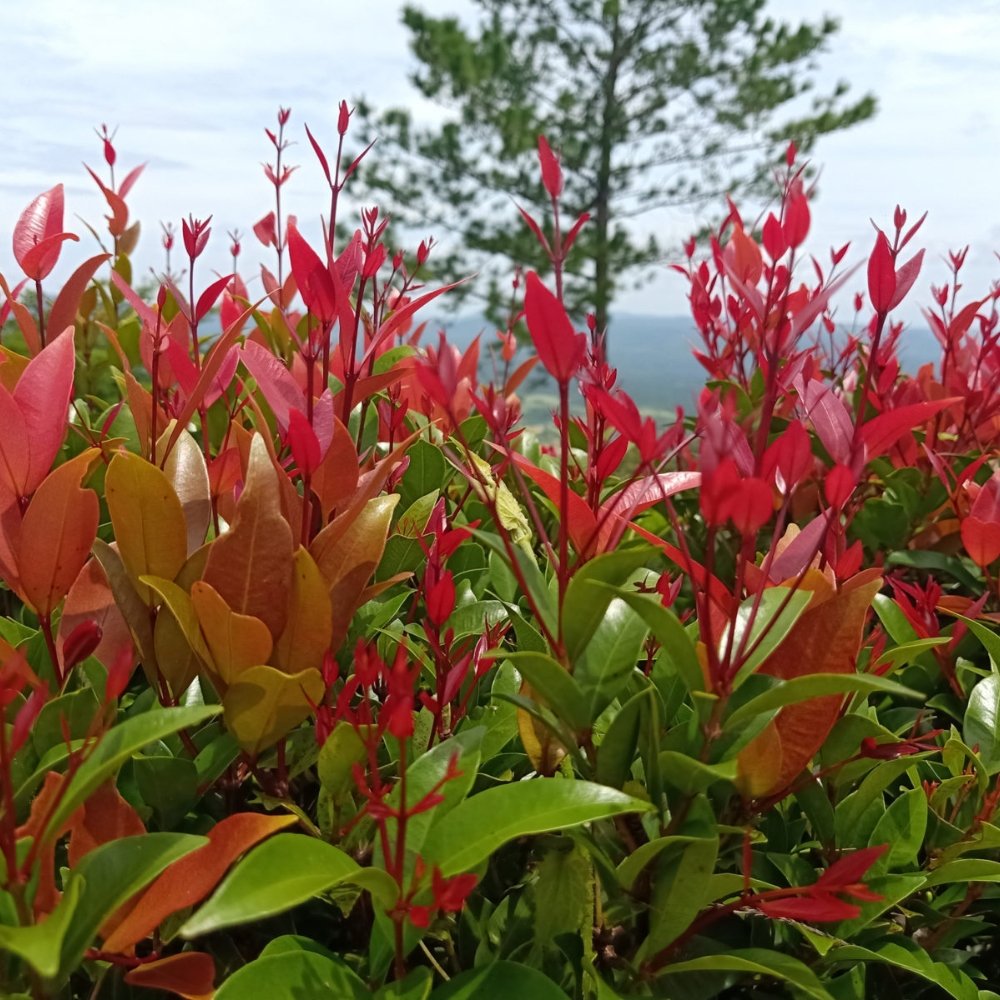
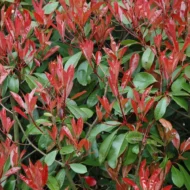
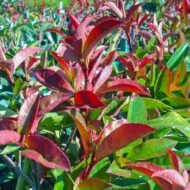
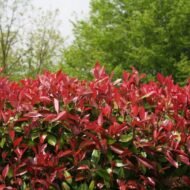
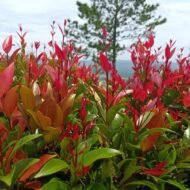
Photinia Red Tip – Photinia × fraseri (Fast Evergreen Privacy Hedge, Live Starter Plants)
Price range: $33.79 through $288.88
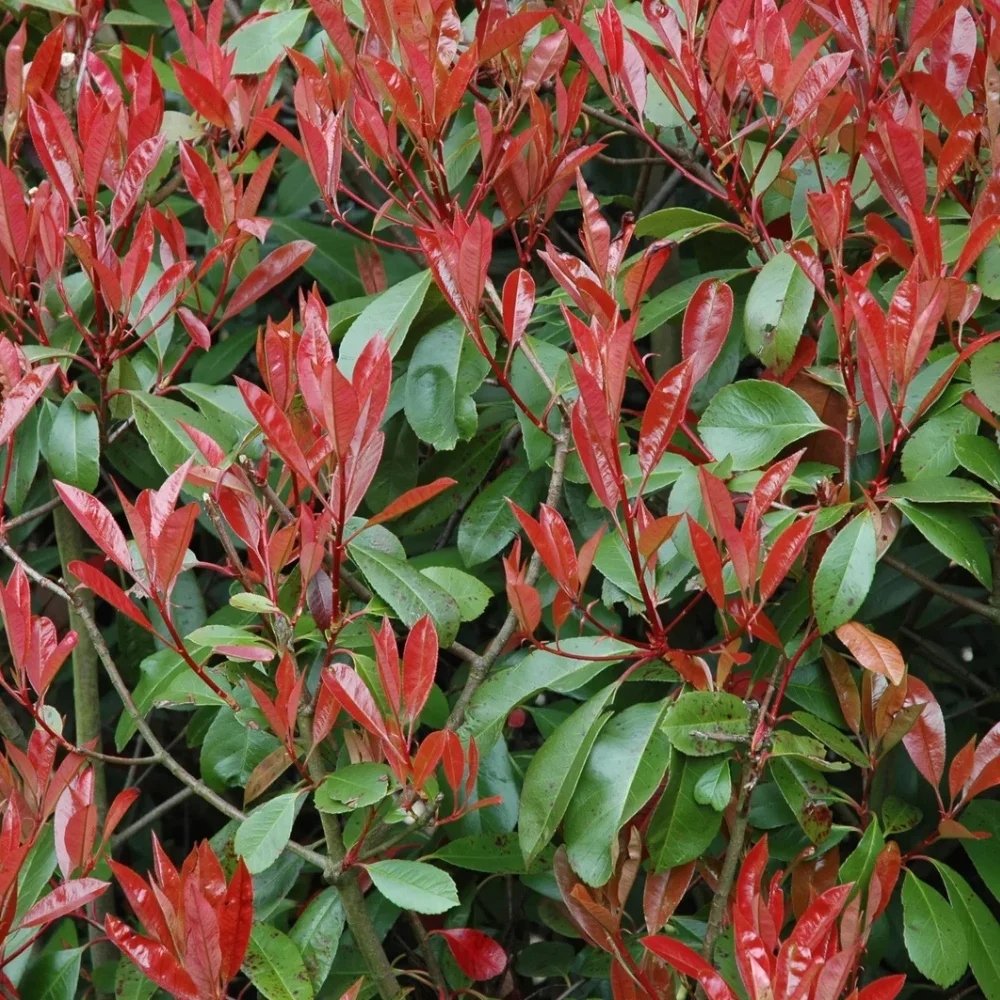
Add fiery color and fast privacy with live Red Tip Photinia (Photinia × fraseri). This vigorous evergreen is prized for its brilliant red-to-bronze new growth, which flushes each spring and after every trim before maturing to glossy dark green. Quick-growing and dense, it makes an outstanding privacy hedge, screen, or windbreak and shears easily to any height. Moderately drought- and deer-tolerant; best in full sun with good airflow. Shipped as a healthy, fully rooted live starter plant (under 12 inches tall) — potted, not bare-root — by Carlo’s Plant Farm. Cold hardy in USDA zones 7–9; leaves are mildly toxic if eaten.
Description
Red Tip Photinia (Photinia × fraseri) is the fast-growing evergreen everyone knows for its showstopping color: brilliant fire-red to bronze new growth that flushes at the branch tips each spring — and again after every trim — before maturing to glossy dark green. Dense, upright, and quick to fill in (often a foot or more per year), it’s one of the most popular plants for a colorful privacy hedge or screen. Give the Red Tip Photinia a sunny, breezy spot and it rewards you with a living wall of ever-changing red-and-green foliage.
Why Grow Red Tip Photinia?
- Brilliant red new growth – fiery red foliage flushes in spring and after each pruning, maturing to glossy green.
- Fast privacy – vigorous, upright growth quickly forms a dense evergreen hedge, screen, or windbreak.
- Evergreen year-round – keeps its glossy dark-green coverage through all seasons.
- Tough & adaptable – moderately drought-tolerant once established and moderately deer-resistant.
- Easy to shape – takes pruning well, so you can train it formal or informal at the height you want.
Looking for more evergreen structure and screening plants? Browse our Shrubs & Bushes and Trees collections.
Plant Specifications at a Glance
- Botanical name: Photinia × fraseri (Fraser photinia, red tip / red top photinia)
- Plant type: Fast-growing broadleaf evergreen shrub or small tree
- Plant family: Rosaceae (the rose family)
- Mature size: 10–15 feet tall and wide if left unpruned; easily kept shorter as a hedge
- Foliage: Bright red to bronze new growth maturing to glossy dark green; small white spring flower clusters
- Notable traits: Fast-growing; colorful new growth; moderately drought- and deer-tolerant; takes shearing well
- Cold Hardiness Zones: 7–9
Red Tip Photinia Care & Growing Guide
This is a tough, easy grower — the main thing is giving it sun and airflow. Follow these guidelines:
- Sunlight: Full sun is best — it brings out the richest red color, keeps growth dense, and helps foliage dry quickly. It tolerates partial shade but grows thinner there.
- Water: Water regularly to establish a strong root system, then occasionally — it’s moderately drought-tolerant once mature. Water at the base of the plant rather than overhead, and avoid soggy soil.
- Soil: Prefers well-drained soil and adapts to most types; avoid wet, poorly drained sites.
- Cold Hardiness Zone: 7–9. In zone 6, site it in a protected spot.
- Pruning: Shear to shape and to trigger fresh red flushes — the red color only appears on new growth. Prune in winter to thin the interior for good air circulation; avoid late-summer pruning, since tender new growth can be frost-damaged.
Keeping it healthy: red tip photinia can be susceptible to Entomosporium leaf spot (small reddish spots that can lead to leaf drop), especially in crowded, shady, or humid conditions. You can largely sidestep it by planting in full sun with plenty of space for airflow, watering at the base instead of overhead, thinning the plant in winter, and raking up fallen leaves.
Good to know: photinia leaves are mildly toxic to dogs, cats, and especially horses if eaten in quantity (they contain cyanogenic compounds), and the sap may irritate sensitive skin — so plant accordingly and wear gloves when pruning.
Ways to Use Red Tip Photinia in the Landscape
- Fast-growing evergreen privacy hedge or screen
- Property-line and driveway borders
- Windbreak and background plantings
- Specimen or accent shrub for seasonal color
- Limbed up into a small multi-stemmed tree
It pairs well with other evergreen screening plants. Gardeners often combine it with the fragrant Sweet Viburnum, the native Wax Myrtle, or compact Japanese Boxwood.
What You’ll Receive
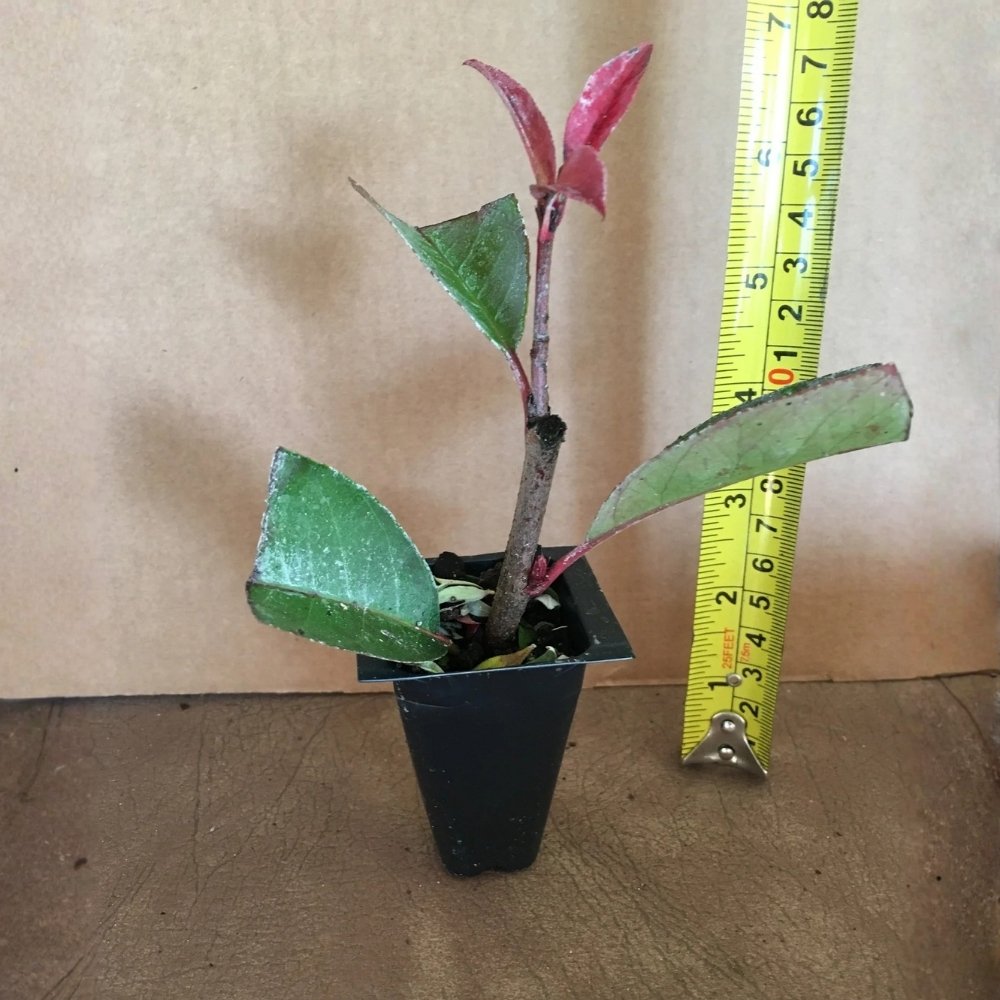
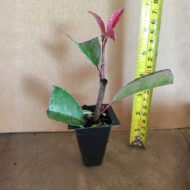
These are live, fully rooted Red Tip Photinia starter plants — potted, not bare-root — grown and shipped by Carlo’s Plant Farm. Plants are less than 12 inches tall when we ship them, giving you a rooted head start on a fast evergreen privacy hedge. The photos in this listing depict mature plants of the correct species so you can see how they will look as they grow. Choose your preferred plant bundle size using the options above.
Due to different state laws, we reserve the right to charge extra fees in order to comply with those laws if necessary.
Ordering, Shipping & Returns
Every order ships free and is insured against loss or damage in transit. For full details on how we pack and send your plants, processing and delivery times, and what to do in the rare case of a problem, please review our Shipping Policy and Terms & Conditions before purchasing. By placing an order you agree to those terms.
Red Tip Photinia FAQ
How fast does Red Tip Photinia grow?
In the right spot, Red Tip Photinia is a fast grower, often putting on a foot or more of height each year. That vigor is what makes it such a popular choice for a quick privacy hedge or screen.
How far apart should I plant Photinia for a hedge?
For a solid privacy hedge, space plants about 3 to 5 feet apart, center to center. Closer spacing (around 3 feet) fills in faster for a tight screen, while wider spacing gives each plant more room to reach its natural shape.
How tall and wide does Red Tip Photinia get?
Left unpruned it can reach about 10 to 15 feet tall and wide. As a hedge it is easily kept shorter and narrower with regular shearing at whatever height you prefer.
How much sun does Red Tip Photinia need?
Full sun is best. It brings out the brightest red new growth, keeps the plant dense, and helps the leaves dry quickly. It will tolerate partial shade but tends to grow thinner and shows less red there.
Why is my Photinia not turning red?
The signature red color only appears on new growth. A light shearing triggers a fresh flush of red leaves, and more sun means more vivid color. If your plant is in shade or has not been trimmed in a while, that is usually why the red has faded.
When and how should I prune Red Tip Photinia?
Shear lightly any time you want to shape it or trigger new red growth. Do a thinning prune in winter to open up the interior for airflow, which helps prevent leaf spot. Avoid heavy late-summer pruning, since tender new growth can be damaged by early frost.
What growing zones is Red Tip Photinia suited for?
It is hardy in USDA Cold Hardiness Zones 7 to 9. In zone 6 it can work in a protected spot, but it is happiest in the warmer end of that range.
Is Red Tip Photinia safe for pets?
The leaves are mildly toxic to dogs, cats, and especially horses if eaten in quantity, as they contain cyanogenic compounds. Plant it where pets and livestock cannot graze on it, and wear gloves when pruning since the sap can irritate sensitive skin.
How do I prevent leaf spot on Photinia?
Entomosporium leaf spot is the main concern in crowded, shady, or humid conditions. Prevent it by planting in full sun with good spacing for airflow, watering at the base rather than overhead, thinning the plant in winter, and raking up and discarding fallen leaves.
What size plants will I receive?
You will receive live Red Tip Photinia starter plants, under 12 inches tall at shipping, grown and shipped by Carlo’s Plant Farm. The listing photos show mature plants of the same species so you can see how yours will look as they grow. Choose your bundle size using the options above.
Additional information
| Weight | 1 lbs |
|---|---|
| Dimensions | 12 × 4 × 4 in |
Reviews (0)
Related products
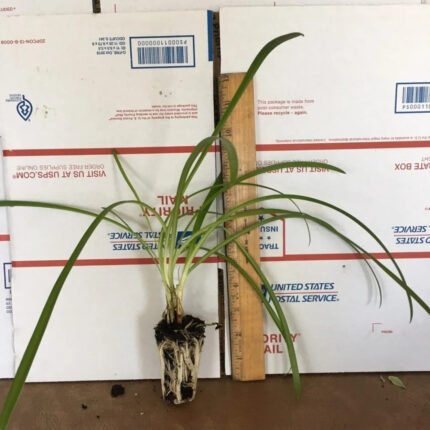
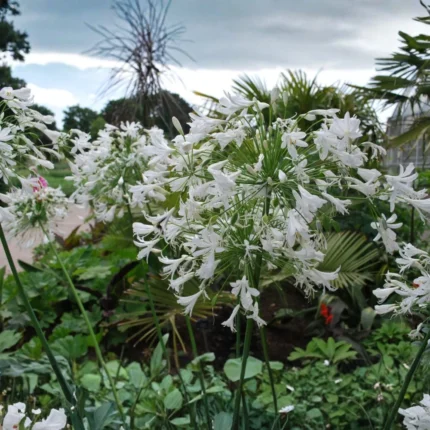
Agapanthus ‘Getty White’ – Lily of the Nile (White African Lily, Live Starter Plants)
Price range: $33.79 through $288.88
Select options
This product has multiple variants. The options may be chosen on the product page
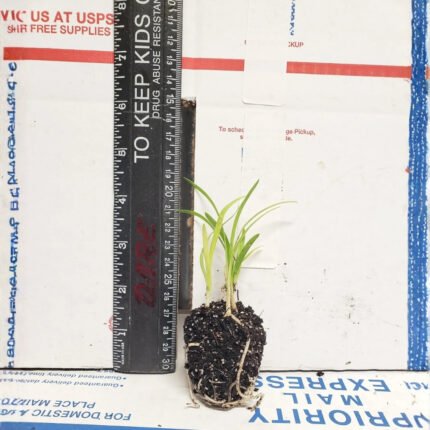
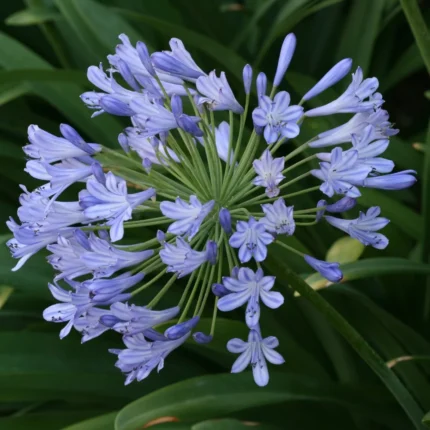
Blue Agapanthus – Agapanthus africanus (Lily of the Nile, Live Starter Plant)
Price range: $33.79 through $59.97
Select options
This product has multiple variants. The options may be chosen on the product page
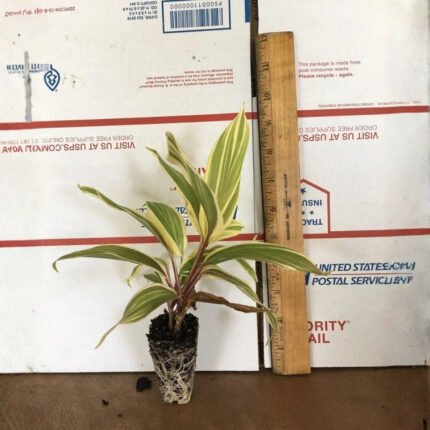
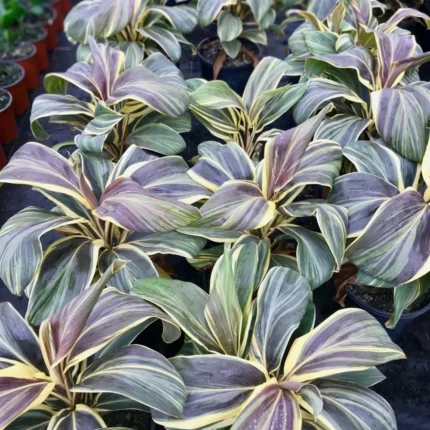
Chocolate Queen Cordyline – Cordyline fruticosa (Chocolate-Purple Ti Plant, Live Starter Plant)
Price range: $33.79 through $178.32
Select options
This product has multiple variants. The options may be chosen on the product page
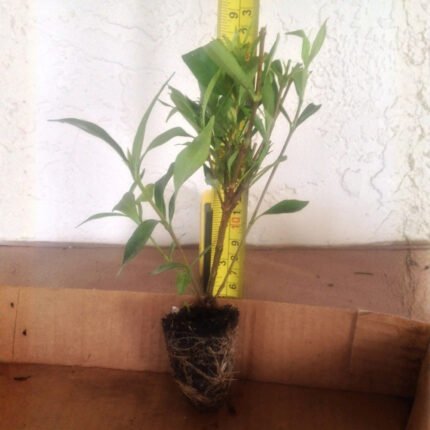
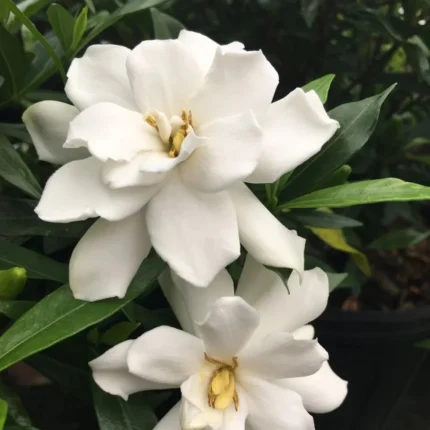
Frostproof Gardenia Plant – Gardenia jasminoides ‘Frostproof’ (Cold-Hardy Fragrant White Gardenia, Live Starter Plant)
Price range: $33.79 through $178.32
Select options
This product has multiple variants. The options may be chosen on the product page
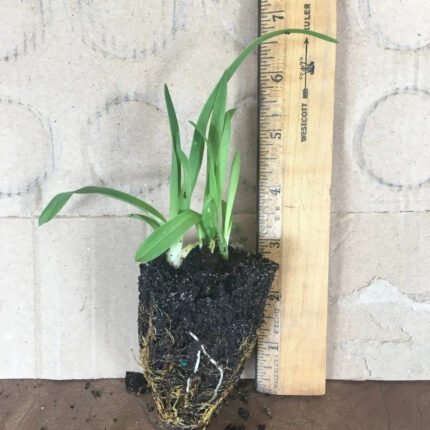
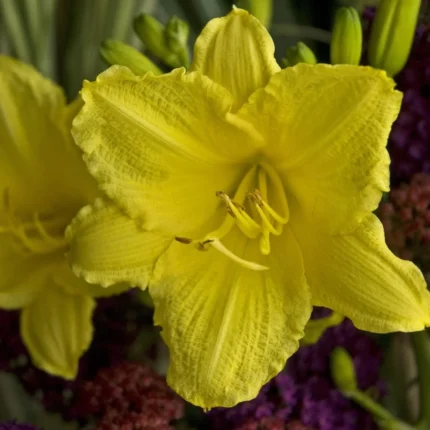
Happy Returns Daylily – Hemerocallis ‘Happy Returns’ (Reblooming Yellow Daylily, Live Starter Plants)
Price range: $33.79 through $178.32
Select options
This product has multiple variants. The options may be chosen on the product page
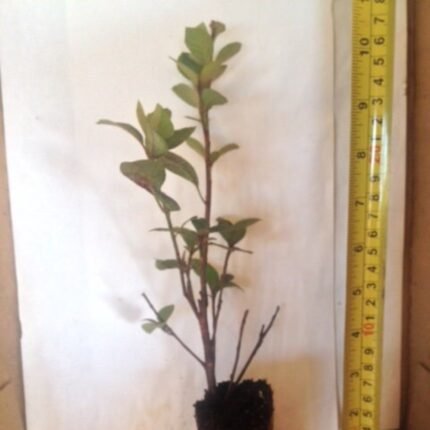
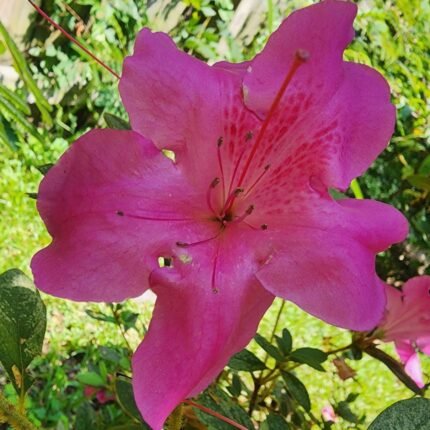
Red Formosa Azalea – Rhododendron ‘Red Formosa’ (Southern Indica Evergreen Azalea, Live Starter Plants)
Price range: $33.79 through $178.32
Select options
This product has multiple variants. The options may be chosen on the product page
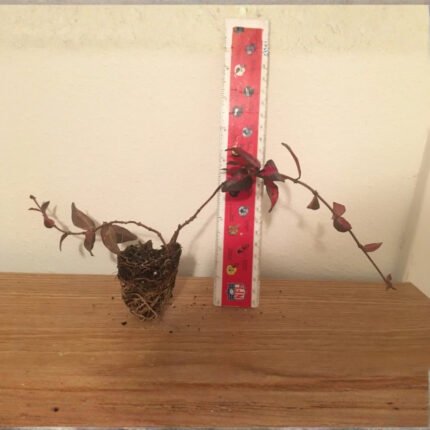
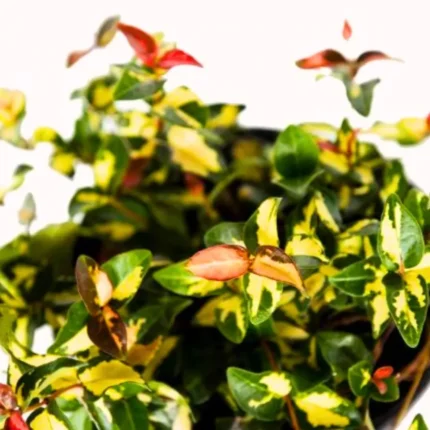
Summer Sunset Jasmine – Trachelospermum asiaticum (Colorful Asiatic Jasmine Groundcover, Live Starter Plants)
Price range: $33.79 through $178.32
Select options
This product has multiple variants. The options may be chosen on the product page
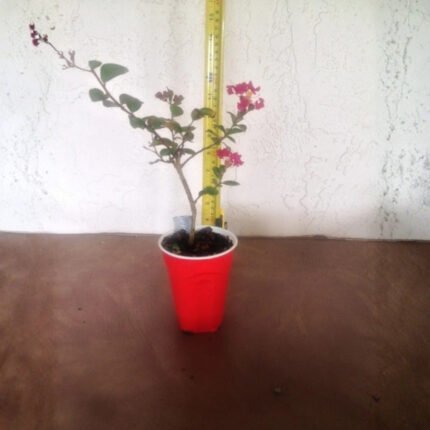
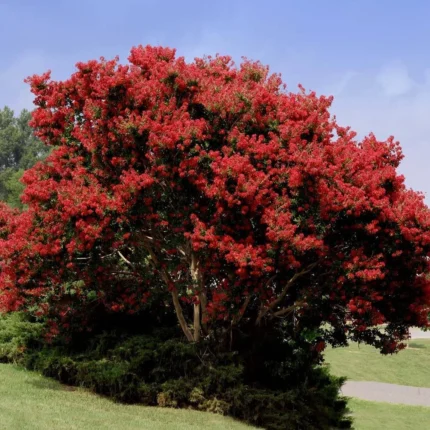
Tuscarora Crape Myrtle Plant – Lagerstroemia indica × fauriei ‘Tuscarora’ (Coral-Pink Flowering Tree, Live Starter Plant)
Price range: $33.79 through $178.32
Select options
This product has multiple variants. The options may be chosen on the product page
Reviews
Clear filtersThere are no reviews yet.