
Natchez Crape Myrtle Plant – Lagerstroemia indica × fauriei 'Natchez' (White Flowering Tree, Live Starter Plant)
Price range: $33.79 through $178.32
Red Rocket Crape Myrtle Plant – Lagerstroemia indica 'Whit IV' (True-Red Flowering Tree, Live Starter Plant)
Price range: $33.79 through $178.32
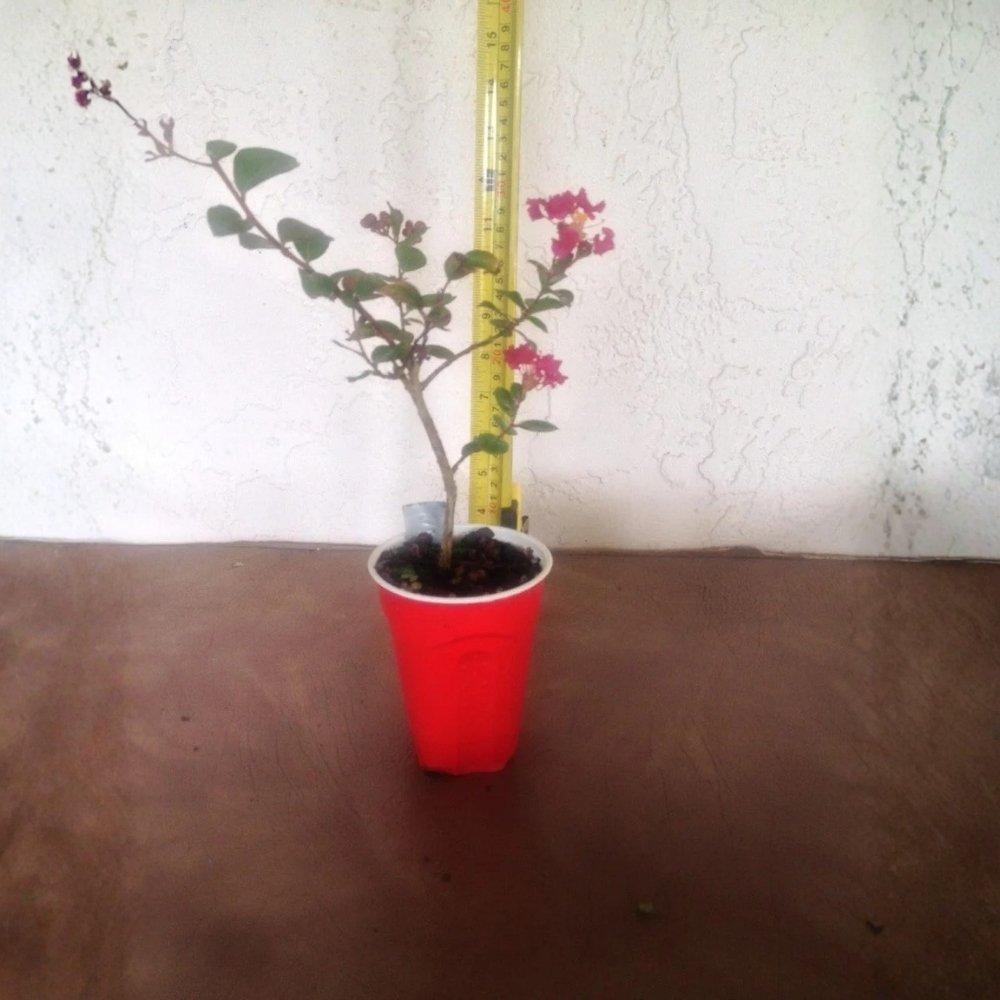
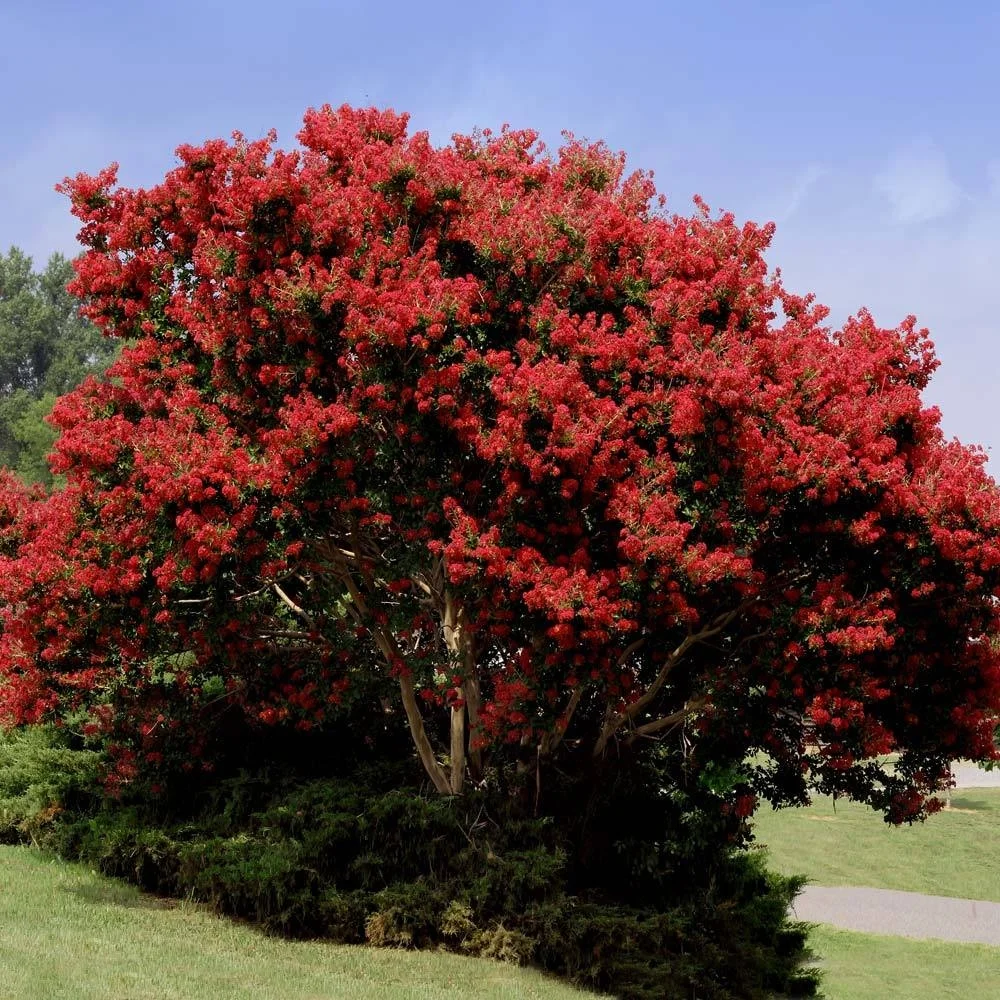

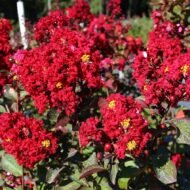
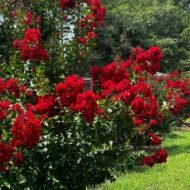
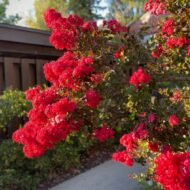
Tuscarora Crape Myrtle Plant – Lagerstroemia indica × fauriei ‘Tuscarora’ (Coral-Pink Flowering Tree, Live Starter Plant)
Price range: $33.79 through $178.32
Add bold summer color and four-season interest with a live Tuscarora Crape Myrtle (Lagerstroemia indica × fauriei ‘Tuscarora’). This deciduous small tree bursts with large, crepe-papery coral-pink flower clusters from mid-summer into fall, follows with orange-red autumn foliage, and shows off smooth cinnamon exfoliating bark in winter. A National Arboretum mildew-resistant hybrid, it matures to about 15–20 feet, is drought-tolerant, deer-resistant, pollinator-friendly, and pet-safe. Shipped as a healthy, fully rooted live starter plant (under 12 inches tall) — potted, not bare-root — by Carlo’s Plant Farm. Cold hardy in USDA zones 7–10.
Description
The Tuscarora Crape Myrtle (Lagerstroemia indica × fauriei ‘Tuscarora’) is a four-season showstopper. From mid-summer into early fall it covers itself in large, crepe-papery clusters of warm coral-pink flowers. In autumn the glossy green leaves turn brilliant orange-red, and in winter its smooth, cinnamon-brown exfoliating bark takes center stage. A fast-growing, multi-stemmed small tree or large shrub, the Tuscarora Crape Myrtle is one of the National Arboretum’s celebrated mildew-resistant hybrids, making it as tough and reliable as it is beautiful.
Why Grow a Tuscarora Crape Myrtle?
- Bold coral-pink summer blooms – big, crepe-papery flower clusters from mid-summer to early fall, right when many trees have finished.
- Four-season interest – summer flowers, orange-red fall foliage, and striking cinnamon exfoliating bark for winter.
- Mildew-resistant – a National Arboretum indica × fauriei hybrid bred for strong resistance to powdery mildew.
- Pollinator-friendly & pet-safe – the blooms attract bees, butterflies, and birds, and the plant is non-toxic to dogs and cats.
- Tough & easy – also fast-growing, drought-tolerant once established, and generally left alone by deer.
Looking for more flowering color? Browse our Flowering Plants and Trees collections.
Plant Specifications at a Glance
- Botanical name: Lagerstroemia indica × fauriei ‘Tuscarora’
- Plant type: Deciduous flowering small tree or large shrub (multi-stemmed)
- Plant family: Lythraceae (the loosestrife family)
- Mature size: about 15–20 feet tall and 10–15 feet wide, in a vase shape (can reach larger in ideal conditions)
- Flowers: Large, crepe-papery, coral-pink clusters from mid-summer into early fall
- Foliage & bark: Glossy green leaves turning orange-red in fall; smooth, cinnamon-brown exfoliating bark
- Notable traits: Mildew-resistant, drought-tolerant, deer-resistant, pet-safe
- Cold Hardiness Zones: 7–10 (roots are hardier; top growth is reliably hardy in zone 7 and up)
Tuscarora Crape Myrtle Care & Growing Guide
Crape myrtles are easy to grow in the right spot. Follow these guidelines:
- Sunlight: Full sun, at least six hours of direct sun a day for the best bloom and fall color.
- Water: Water deeply and regularly for the first couple of years to establish a strong root system, and more often in extreme heat. Once mature, it is drought-tolerant and needs only occasional deep watering.
- Soil: Adapts to most well-drained soils, and it prefers slightly acidic conditions (about pH 5.0–6.5). However, avoid soggy ground.
- Cold Hardiness Zone: 7–10. In colder areas, plant in a sheltered spot and mulch the roots, since top growth may suffer in unusually harsh winters.
- Pruning: Prune lightly in late winter or early spring before new growth, only to remove dead or crossing branches. In addition, avoid heavy topping (crape murder), since it spoils the natural form.
Ways to Use Tuscarora Crape Myrtle in the Landscape
This colorful, manageable tree brightens sunny spaces. Popular uses for the Tuscarora Crape Myrtle include:
- Flowering specimen or focal-point tree for front yards and lawn islands
- Also coral-pink color near patios, entries, and along driveways
- Row or cluster plantings for a summer-blooming privacy screen
- Similarly, an anchor for mixed borders and pollinator gardens
- Street-tree-style accents where a manageable size is needed
It pairs beautifully with other sun-loving, colorful plants. For example, gardeners often combine it with the true-red Red Rocket Crape Myrtle, the bird-friendly Red Cluster Bottlebrush, or the bright Scarlet Sage.
What You’ll Receive
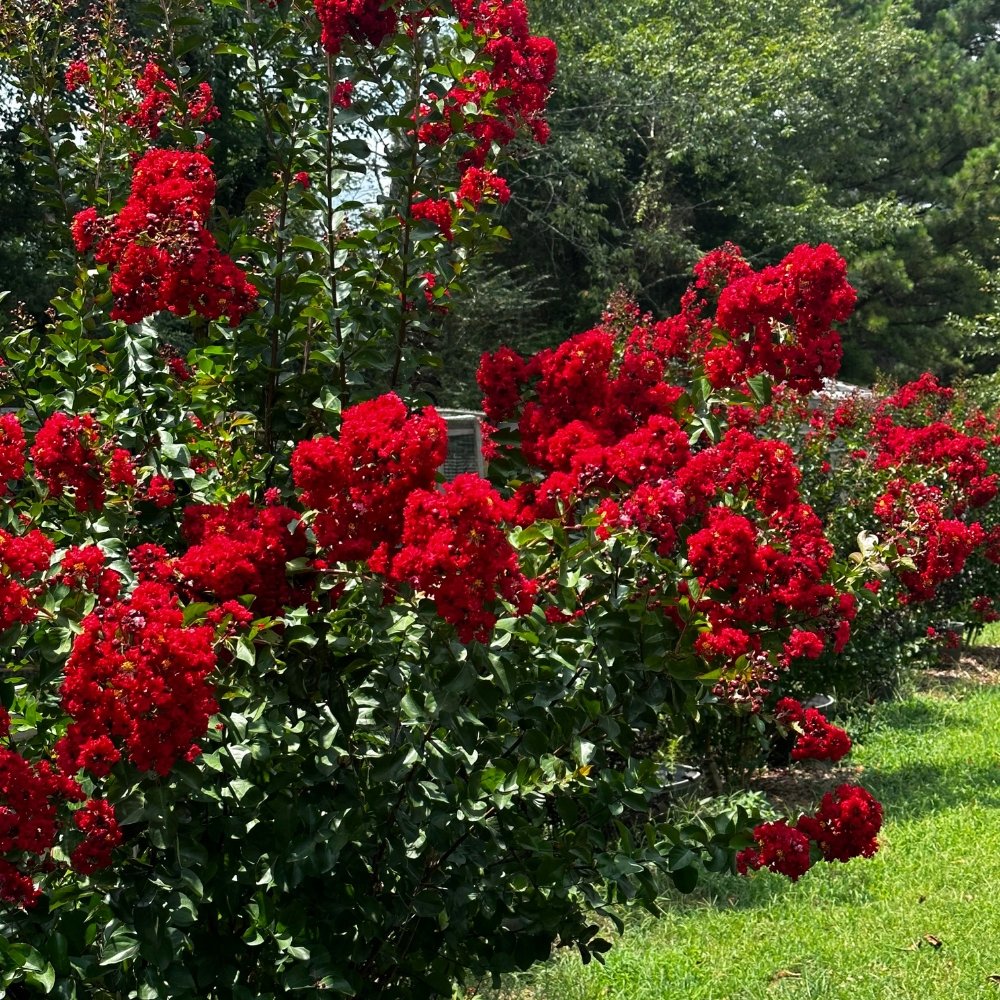
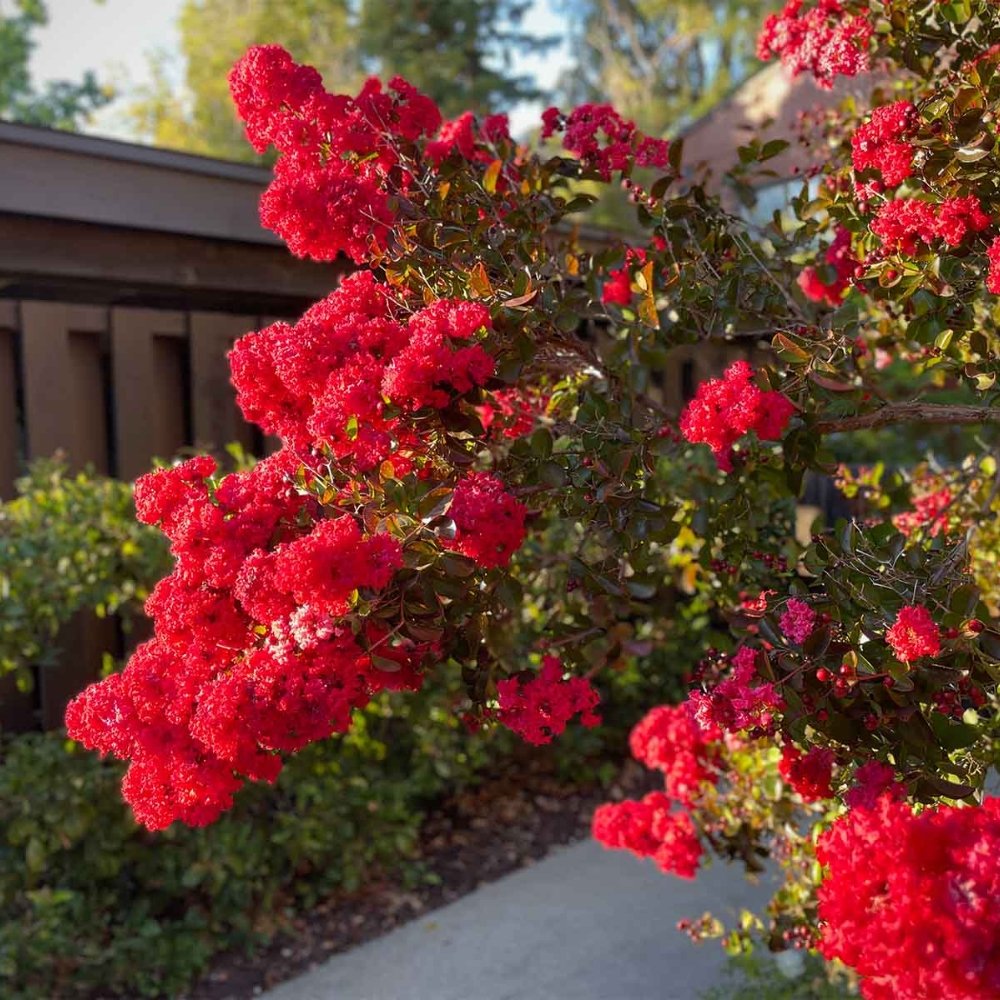
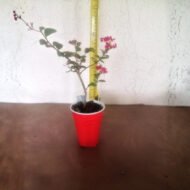
These are live, fully rooted Tuscarora Crape Myrtle starter plants — potted, not bare-root — grown and shipped by Carlo’s Plant Farm. Each plant is less than 12 inches tall when we ship it, giving you a rooted head start on a coral-pink flowering tree. The listing photos show mature plants of the same species. That way, you can see how yours will look as they grow and bloom. Finally, choose your preferred bundle size using the options above.
Also, due to different state laws, we reserve the right to charge extra fees where necessary to comply.
Ordering, Shipping & Returns
Every order ships free and is insured against loss or damage in transit. For full details on how we pack and send your plants, processing and delivery times, and what to do in the rare case of a problem, please review our Shipping Policy and Terms & Conditions before purchasing. By placing an order, you agree to those terms.
Tuscarora Crape Myrtle FAQ
Growing & Care Questions
What color are Tuscarora Crape Myrtle flowers?
They are a warm coral-pink. Notably, from mid-summer into early fall the tree covers itself in large, crepe-papery clusters of coral-pink blooms, right when many trees have finished.
Does the Tuscarora Crape Myrtle have fall and winter interest?
Yes, it is a four-season showstopper. In autumn the glossy green leaves turn brilliant orange-red. Then, in winter, its smooth, cinnamon-brown exfoliating bark takes center stage.
How big does the Tuscarora Crape Myrtle get?
It reaches about 15 to 20 feet tall and 10 to 15 feet wide, in a vase shape, and larger in ideal conditions. As a result, it works as a manageable specimen or screen tree.
Is the Tuscarora Crape Myrtle mildew resistant?
Yes. It is a National Arboretum indica by fauriei hybrid, bred specifically for strong resistance to powdery mildew. Therefore, it stays cleaner and healthier than many older crape myrtles.
How far apart should I plant Tuscarora Crape Myrtles?
For a row or screen, space trees about 10 to 15 feet apart. That spacing gives each vase-shaped canopy room to fill in while keeping good airflow.
Hardiness, Buying & Shipping Questions
How much sun does the Tuscarora Crape Myrtle need?
It needs full sun, at least six hours of direct sun a day. Specifically, full sun gives the best bloom and the brightest fall color.
How often should I water a Tuscarora Crape Myrtle?
Water deeply and regularly for the first couple of years to establish a strong root system, and more often in extreme heat. Once mature, it is drought-tolerant and needs only occasional deep watering.
What growing zones is the Tuscarora Crape Myrtle suited for?
It is hardy in USDA Cold Hardiness Zones 7 to 10. However, in colder areas, plant it in a sheltered spot and mulch the roots, since top growth may suffer in unusually harsh winters.
How should I prune it, and what is crape murder?
Prune lightly in late winter or early spring, only to remove dead or crossing branches. Importantly, avoid heavy topping, often called crape murder, because it spoils the natural form.
What size plants will I receive?
You will receive live Tuscarora Crape Myrtle starter plants. Each one is under 12 inches tall at shipping, grown and shipped by Carlo’s Plant Farm. The listing photos show mature plants of the same species. So you can see how yours will look as they grow and bloom. Finally, choose your bundle size using the options above.
Additional information
| Weight | 1 lbs |
|---|---|
| Dimensions | 12 × 4 × 4 in |
Reviews (0)
Related products
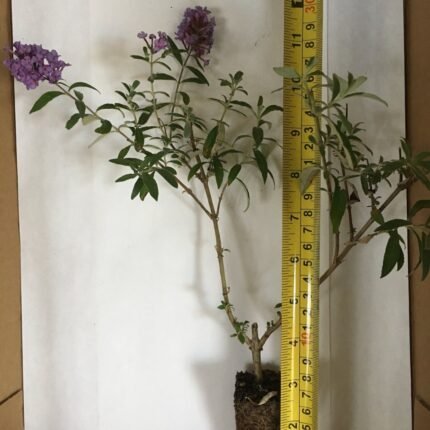
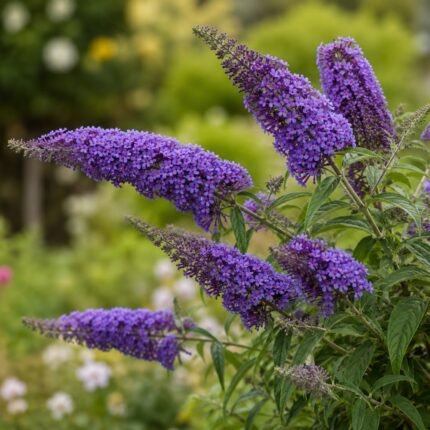
Buddleia ‘Nanho Blue’ – Buddleja davidii (Dwarf Blue Butterfly Bush, Live Plants)
Price range: $33.79 through $178.32
Select options
This product has multiple variants. The options may be chosen on the product page
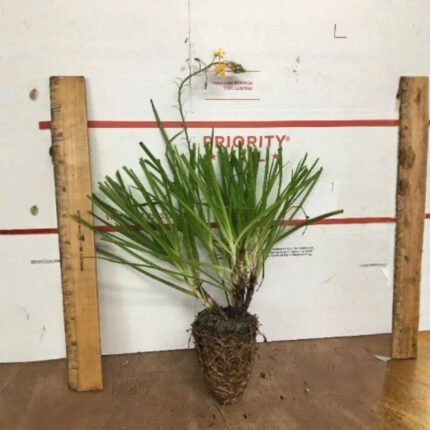
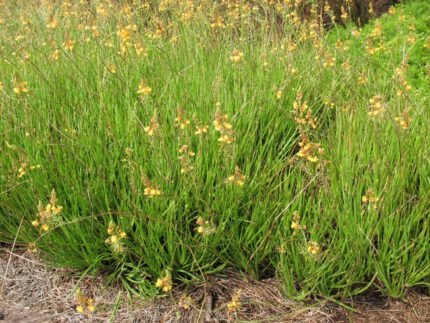
Bulbine ‘Hallmark’ Orange – Bulbine frutescens (Orange Bulbine, Live Starter Plants)
Price range: $33.79 through $178.32
Select options
This product has multiple variants. The options may be chosen on the product page
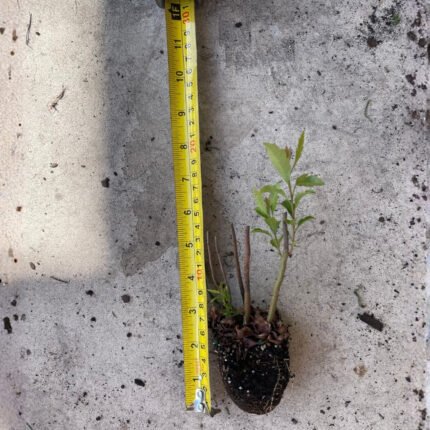

Coontie Palm – Zamia integrifolia (Florida-Native Cycad, Atala Butterfly Host, Live Plant)
Price range: $33.79 through $178.32
Select options
This product has multiple variants. The options may be chosen on the product page
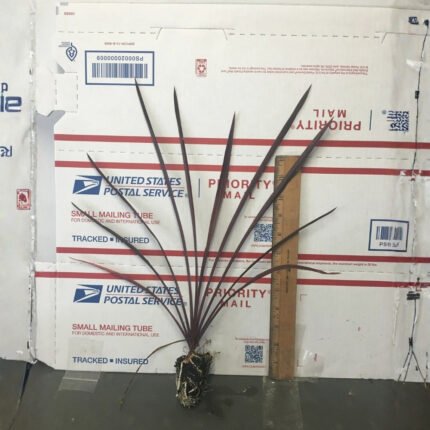
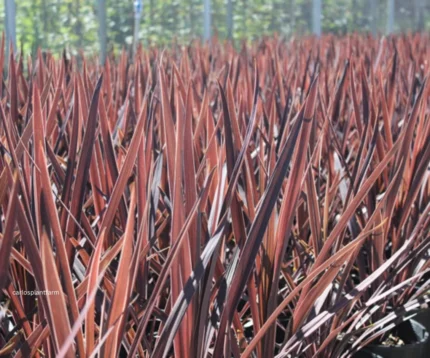
Cordyline ‘Red Sensation’ – Cordyline australis (Burgundy Cabbage Palm, Live Starter Plant)
Price range: $33.79 through $178.32
Select options
This product has multiple variants. The options may be chosen on the product page
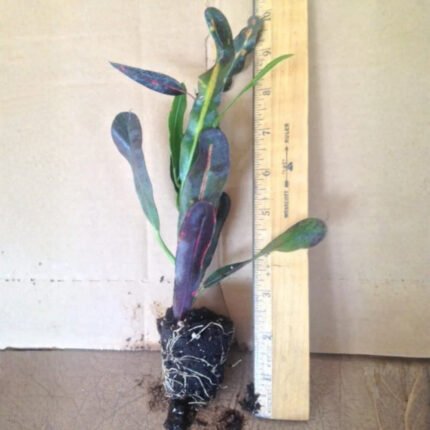
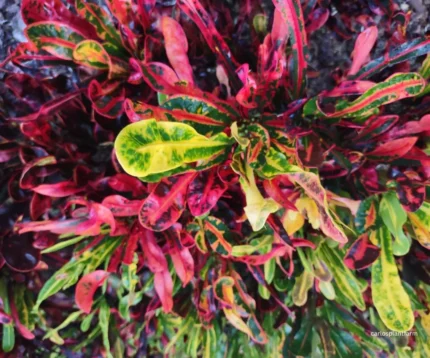
Croton ‘Mammy’ – Codiaeum variegatum (Colorful Tropical Foliage, Live Starter Plant)
Price range: $33.79 through $209.98
Select options
This product has multiple variants. The options may be chosen on the product page
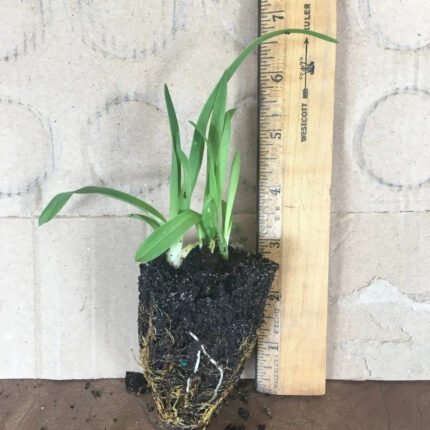
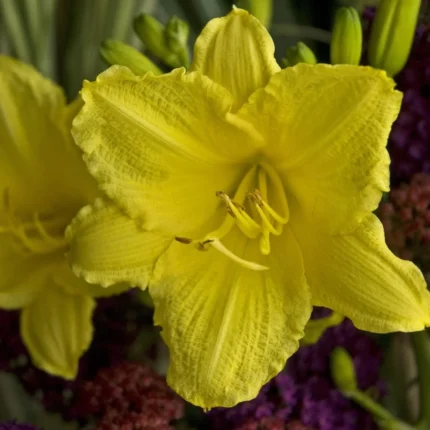
Happy Returns Daylily – Hemerocallis ‘Happy Returns’ (Reblooming Yellow Daylily, Live Starter Plants)
Price range: $33.79 through $178.32
Select options
This product has multiple variants. The options may be chosen on the product page
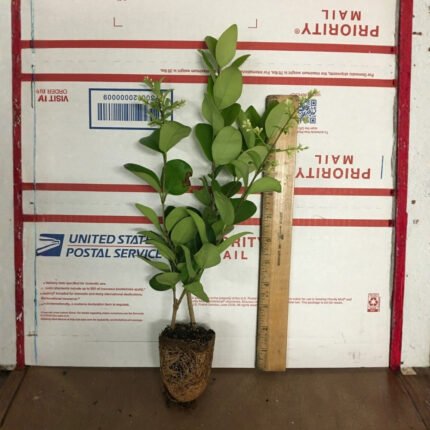
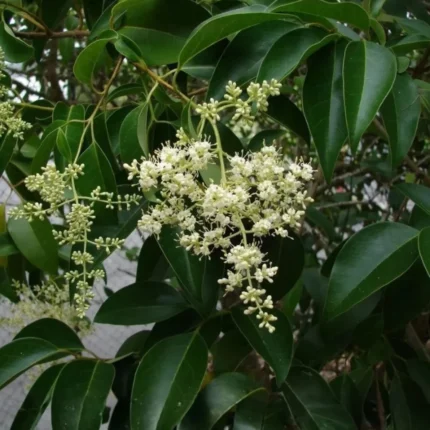
Lucidum Ligustrum – Ligustrum lucidum (Glossy Privet, Live Plant)
Price range: $33.79 through $178.32
Select options
This product has multiple variants. The options may be chosen on the product page
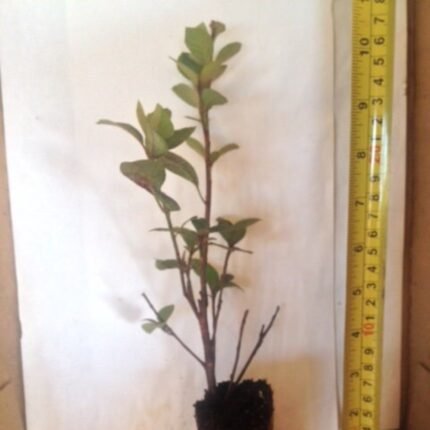
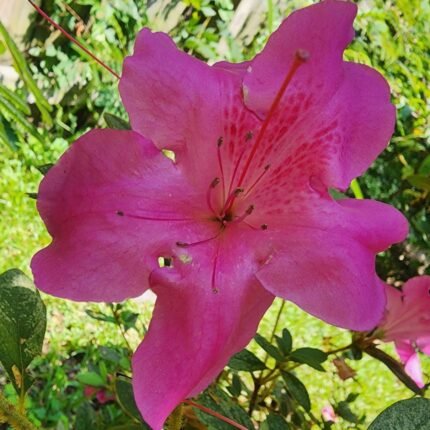
Red Formosa Azalea – Rhododendron ‘Red Formosa’ (Southern Indica Evergreen Azalea, Live Starter Plants)
Price range: $33.79 through $178.32
Select options
This product has multiple variants. The options may be chosen on the product page
Reviews
Clear filtersThere are no reviews yet.