
Madagascar Periwinkle Plant (Vinca) – Catharanthus roseus
Price range: $33.79 through $178.32
Roman Chamomile Plant – Chamaemelum nobile (Live Starter Perennial Groundcover)
Price range: $33.79 through $178.32
Scarlet Sage Plant – Salvia coccinea (Live Starter Plant)
Price range: $33.79 through $178.32
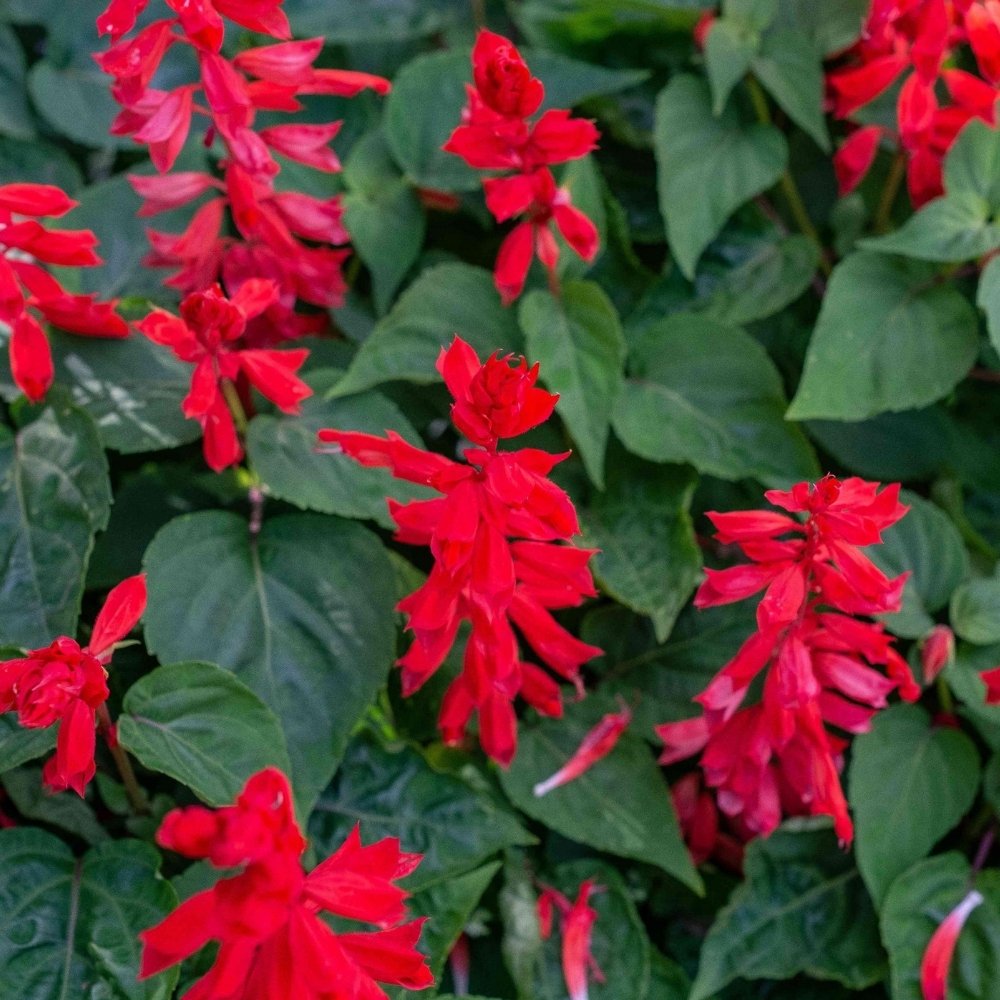
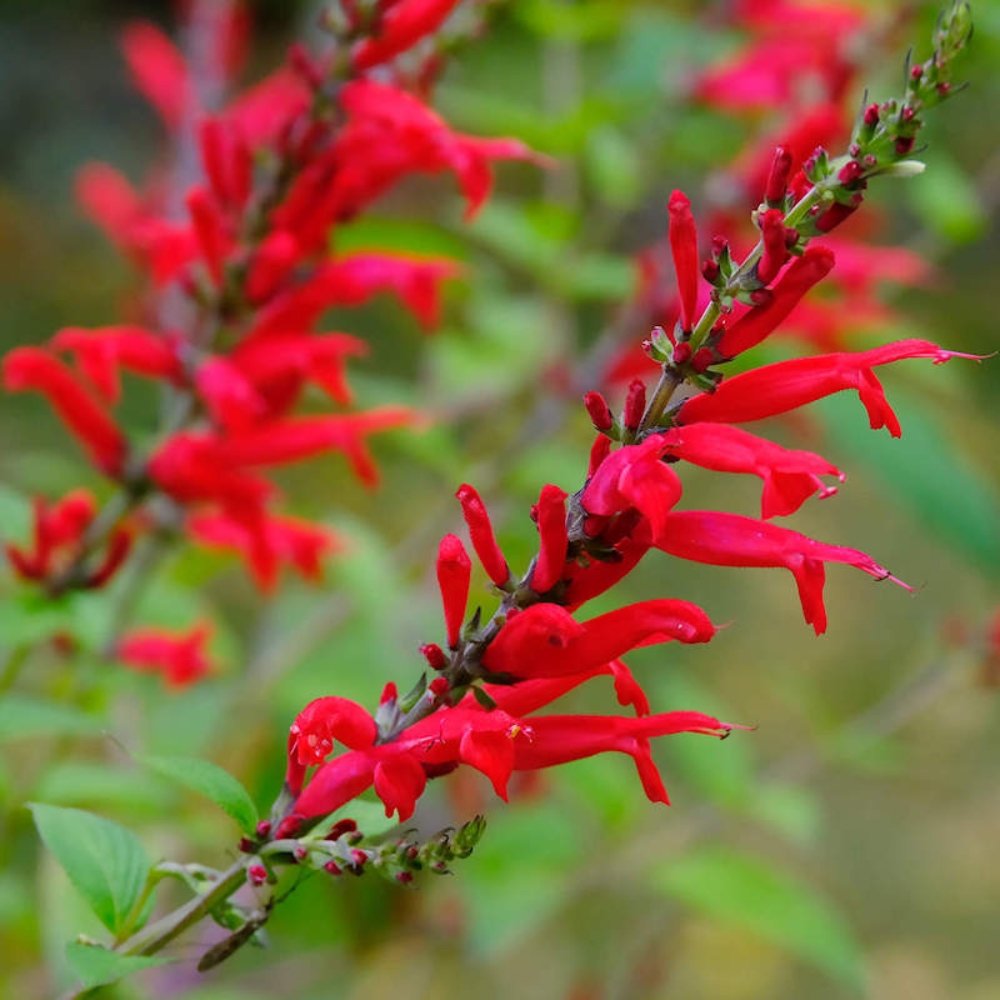
Light up your garden with a live Scarlet Sage plant (Salvia coccinea) — a heat-loving native perennial famous for brilliant red, tubular flowers that bloom from early summer until first frost. A magnet for hummingbirds, butterflies, and bees, this drought-tolerant, deer-resistant sage thrives in full sun and well-draining soil. Shipped as a healthy, fully rooted live starter plant (under 12 inches tall) — not seeds — and grown with care by Carlo’s Plant Farm. Cold hardy in USDA zones 8–10.
Description
The Scarlet Sage plant (Salvia coccinea) is a brilliant, easy-care perennial. In fact, it turns any sunny bed into a wildlife hotspot. Notably, gardeners prize it for its slender spikes of vivid red, tubular flowers. This heat-loving native blooms from early summer right up to the first frost, exactly when many other plants fade in the heat. So if you want maximum color with minimum fuss, the Scarlet Sage plant delivers month after month.
Why Grow a Scarlet Sage Plant?
- Hummingbird & butterfly magnet – the tubular red blooms are perfectly shaped for hummingbirds and also draw butterflies and bees all season long.
- Long bloom season – flowers continuously from early summer until the first frost, especially with regular deadheading.
- Tough & heat-loving – a Southern favorite that shrugs off heat and humidity and keeps blooming when other flowers wilt.
- Drought-tolerant & low-maintenance – once established it needs little water and almost no fuss.
- Deer-resistant native – native to the southeastern U.S., so deer tend to leave it alone, and it supports local pollinators and biodiversity.
Love color that works for wildlife? Browse more options in our Flowering Plants and Outdoor Plants collections.
Plant Specifications at a Glance
- Botanical name: Salvia coccinea (also known as scarlet sage, tropical sage, red salvia, blood sage)
- Plant type: Warm-season flowering perennial (often grown as an annual in colder zones)
- Plant family: Lamiaceae (the mint family)
- Mature height: typically 2–3 feet tall
- Bloom season: Early summer to the first frost
- Flowers: Brilliant red, tubular blooms along upright spikes
- Wildlife: Attracts hummingbirds, butterflies, and bees
- Cold Hardiness Zones: 8–10
Scarlet Sage Care & Growing Guide
The Scarlet Sage plant is wonderfully forgiving once it settles in. Follow these simple guidelines:
- Sunlight: Full sun. Plenty of direct light produces the most flowers and the strongest color.
- Water: This is a water-conserving plant. It only needs occasional watering once established. Water young plants while they root in, then let the soil dry between waterings.
- Soil: Well-draining sandy soil is ideal. Good drainage and airflow keep the plant healthy.
- Cold Hardiness Zone: 8–10.
- Pruning: Cut back after flowering as needed. Pinching the stem tips in late spring encourages bushier growth, and deadheading spent blooms keeps new flowers coming.
Scarlet Sage also reseeds in favorable conditions, so it can naturalize into cheerful colonies over time. To keep it contained, simply remove the spent flower spikes before they set seed.
Ways to Use Scarlet Sage in the Landscape
This versatile native shines in almost any sunny spot. Popular uses for the Scarlet Sage plant include:
- Pollinator and hummingbird gardens
- Similarly, sunny borders and cottage-garden plantings
- Mass plantings and naturalized meadow-style beds
- In addition, container gardens give non-stop color and wildlife
- Cut-flower beds — the spikes make great cut flowers
For the biggest wildlife impact, plant Scarlet Sage in clusters and pair it with other nectar-rich, sun-loving plants. For example, gardeners often combine it with the Madagascar Periwinkle, Mexican Petunia (Purple Showers), or Dune Sunflower for a long-season pollinator buffet.
What You’ll Receive
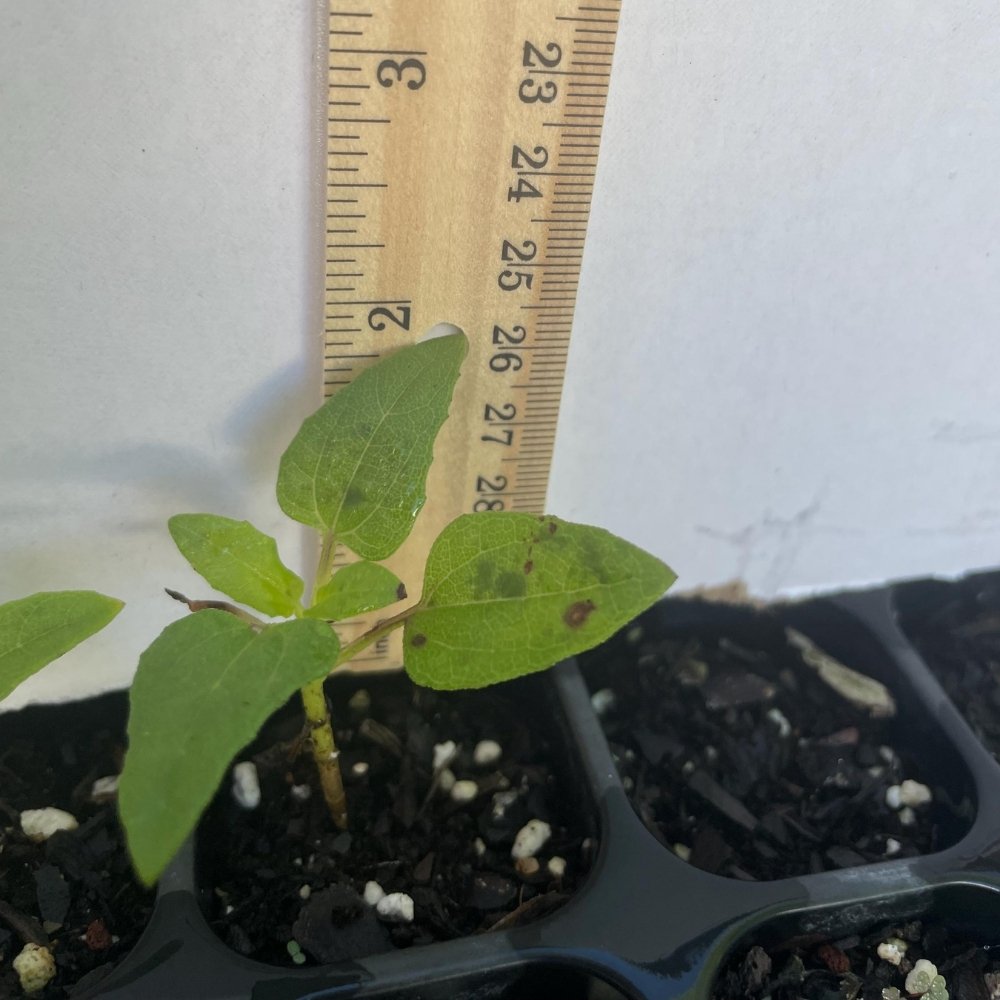
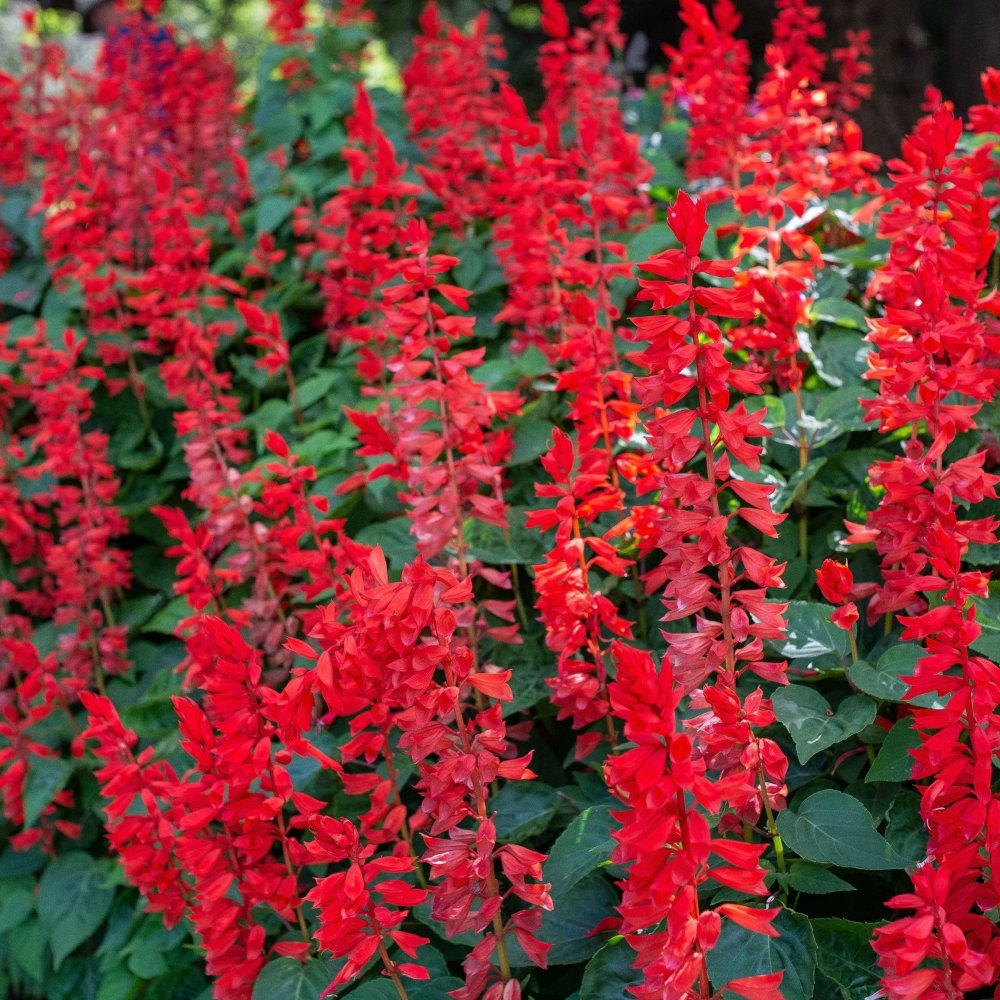
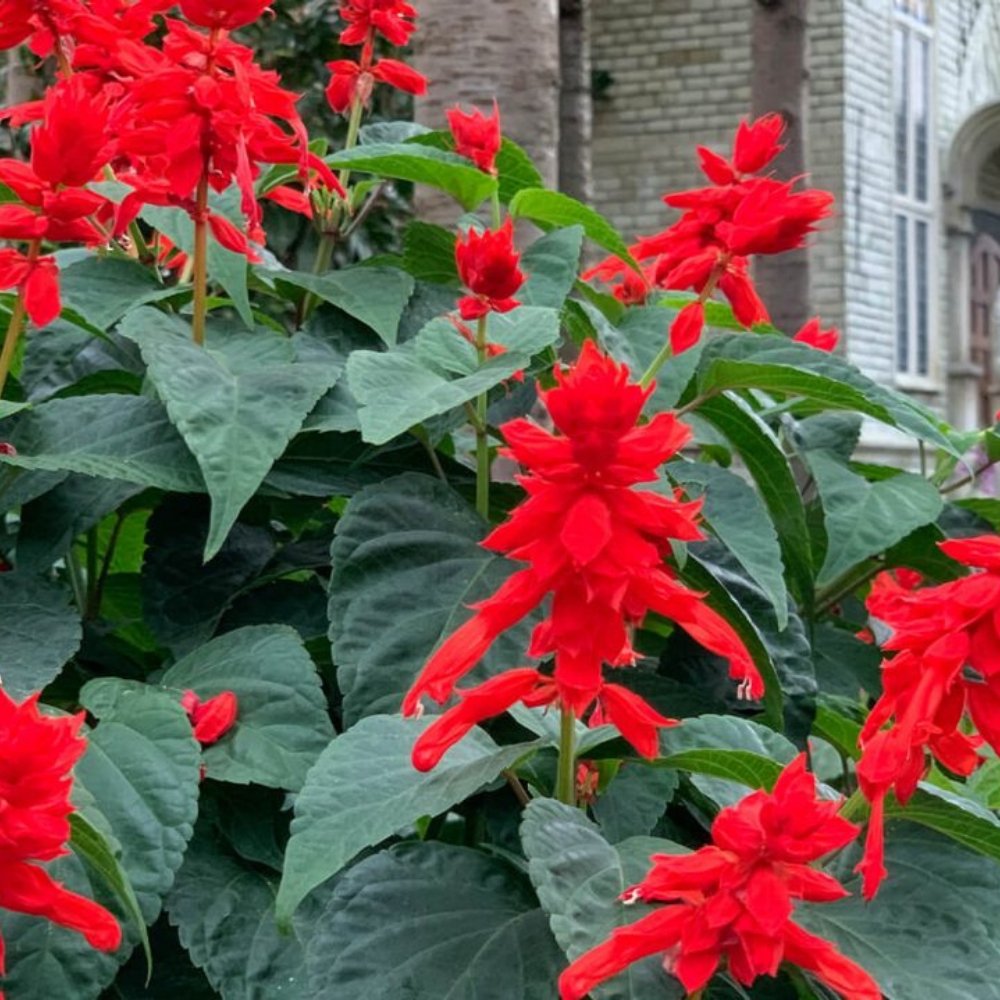
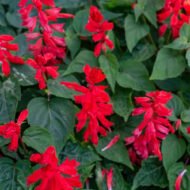
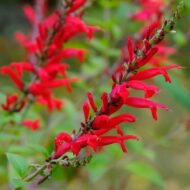
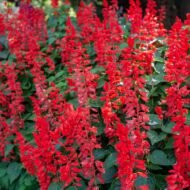
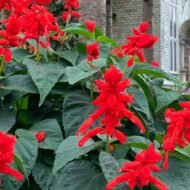
These are live, fully rooted Scarlet Sage starter plants — not seeds — grown and shipped by Carlo’s Plant Farm. Each plant is less than 12 inches tall when we ship it, giving you a blooming head start on the hummingbird season. The listing photos show mature plants of the same species. That way, you can see how yours will look as they grow and bloom. Finally, choose your preferred bundle size using the options above.
Also, due to different state laws, we reserve the right to charge extra fees where necessary to comply.
Ordering, Shipping & Returns
Every order ships free and is insured against loss or damage in transit. For full details on how we pack and send your plants, processing and delivery times, and what to do in the rare case of a problem, please review our Shipping Policy and Terms & Conditions before purchasing. By placing an order, you agree to those terms.
Scarlet Sage FAQ
Growing & Care Questions
Does Scarlet Sage attract hummingbirds?
Yes, very much. The tubular red flowers are perfectly shaped for hummingbirds. They also draw butterflies and bees all season long, so it is a top pick for a pollinator garden.
How long does Scarlet Sage bloom?
It flowers continuously from early summer until the first frost. Regular deadheading keeps even more new blooms coming.
How tall does Scarlet Sage get?
It typically grows about 2 to 3 feet tall on upright, slender spikes. As a result, it works well in the middle or back of a sunny border.
How much sun and water does Scarlet Sage need?
Give it full sun for the most flowers and the strongest color. Water young plants while they root in. After that, water only occasionally, since it is drought-tolerant once established.
How far apart should I plant Scarlet Sage?
Space plants about 12 to 18 inches apart. Planting in clusters at that spacing creates the biggest splash of color and the strongest draw for wildlife.
Hardiness, Buying & Shipping Questions
Is Scarlet Sage a perennial or an annual?
It is a warm-season perennial in mild zones, where it returns each year. In colder areas, gardeners grow it as an annual, though it often reseeds on its own.
What growing zones is Scarlet Sage suited for?
It is hardy in USDA Cold Hardiness Zones 8 to 10. In colder zones, enjoy it as a warm-season annual that frequently self-seeds.
Does Scarlet Sage spread or reseed?
Yes. In favorable conditions it reseeds and can naturalize into cheerful colonies over time. To keep it contained, simply remove the spent flower spikes before they set seed.
Is Scarlet Sage deer resistant?
Generally, yes. As a member of the mint family, deer tend to leave it alone. It is also a U.S. native that supports local pollinators and biodiversity.
What size plants will I receive?
You will receive live Scarlet Sage starter plants. Each one is under 12 inches tall at shipping, grown and shipped by Carlo’s Plant Farm. The listing photos show mature plants of the same species. So you can see how yours will look as they grow and bloom. Finally, choose your bundle size using the options above.
Additional information
| Weight | 1 lbs |
|---|---|
| Dimensions | 12 × 4 × 4 in |
Reviews (0)
Related products
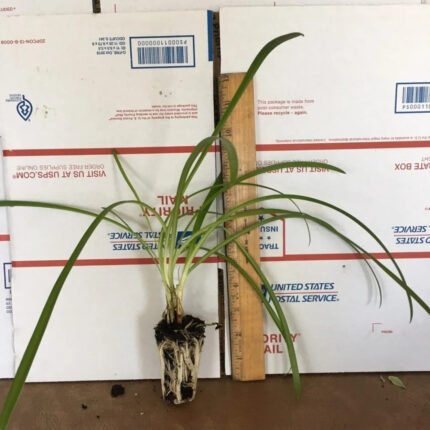
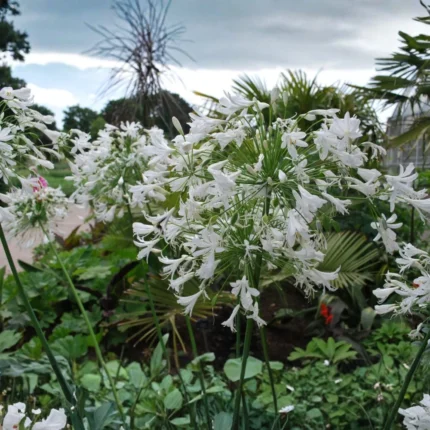
Agapanthus ‘Getty White’ – Lily of the Nile (White African Lily, Live Starter Plants)
Price range: $33.79 through $288.88
Select options
This product has multiple variants. The options may be chosen on the product page
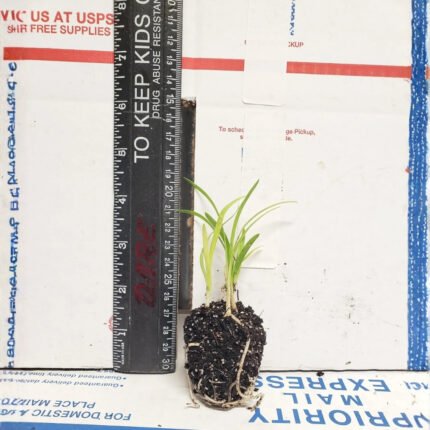
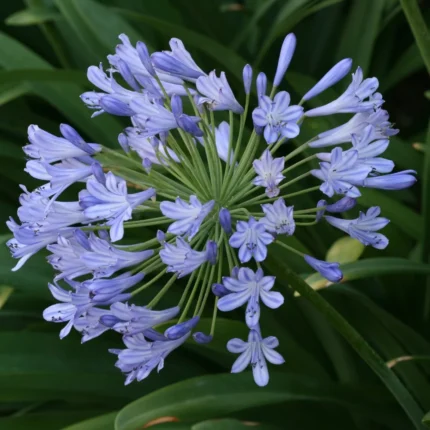
Blue Agapanthus – Agapanthus africanus (Lily of the Nile, Live Starter Plant)
Price range: $33.79 through $59.97
Select options
This product has multiple variants. The options may be chosen on the product page
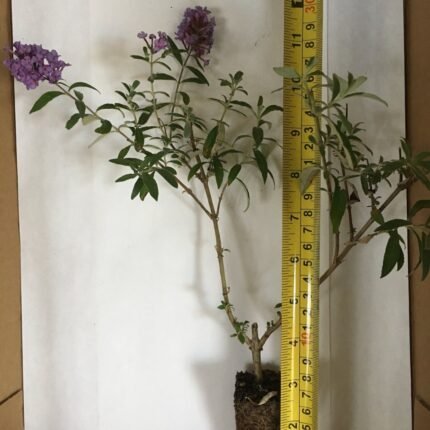
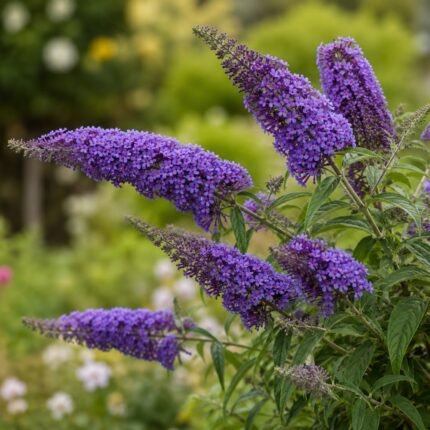
Buddleia ‘Nanho Blue’ – Buddleja davidii (Dwarf Blue Butterfly Bush, Live Plants)
Price range: $33.79 through $178.32
Select options
This product has multiple variants. The options may be chosen on the product page
Sold out
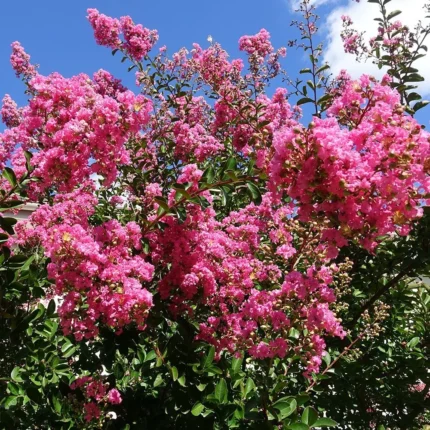
Crape Myrtle Tonto – Lagerstroemia ‘Tonto’ (Fuchsia-Red Flowering Tree, Live Starter Plants)
Price range: $33.79 through $178.32
Select options
This product has multiple variants. The options may be chosen on the product page
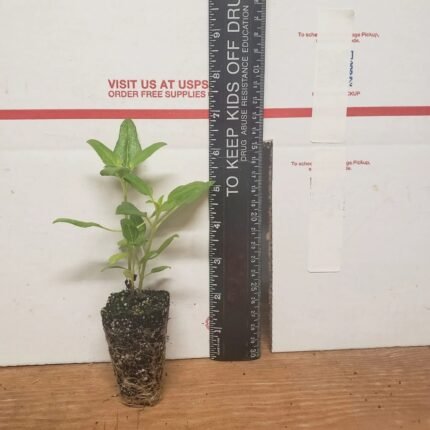
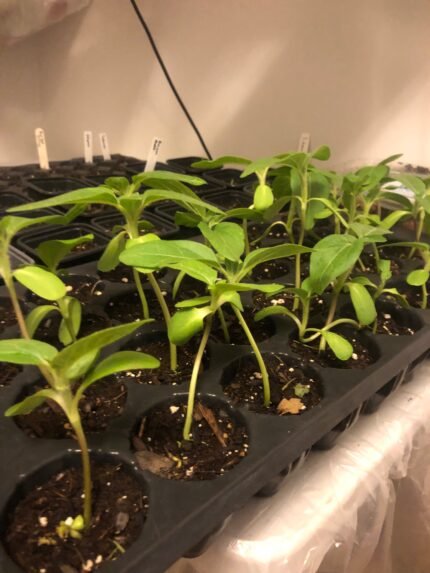
Dune Sunflower Plant – Helianthus debilis (Florida-Native Beach Sunflower Groundcover, Live Starter Plant)
Price range: $33.79 through $178.32
Select options
This product has multiple variants. The options may be chosen on the product page
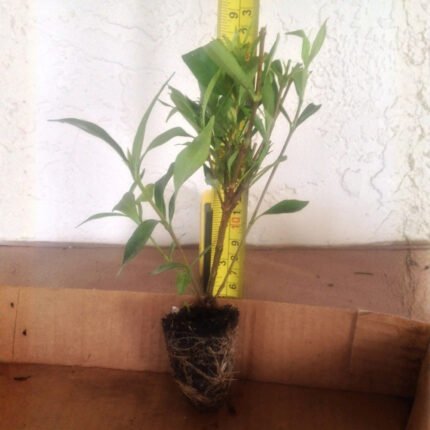
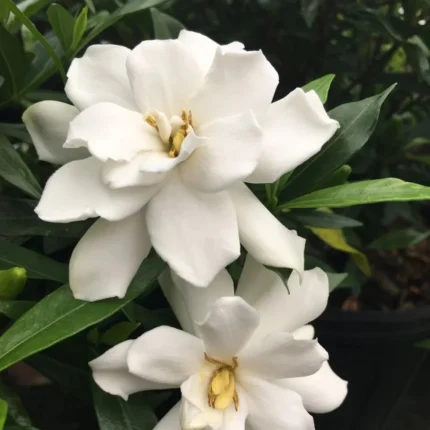
Frostproof Gardenia Plant – Gardenia jasminoides ‘Frostproof’ (Cold-Hardy Fragrant White Gardenia, Live Starter Plant)
Price range: $33.79 through $178.32
Select options
This product has multiple variants. The options may be chosen on the product page
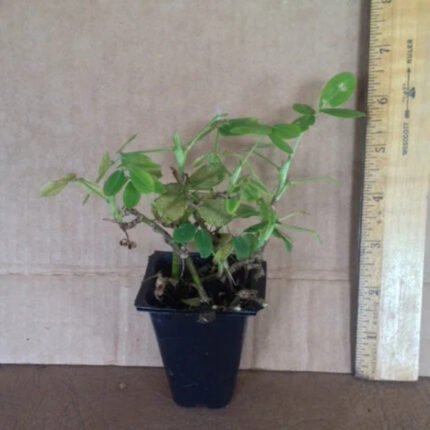
Sold out
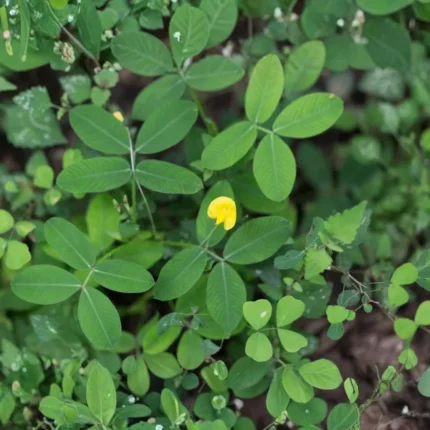
Golden Glory Ornamental Peanut – Arachis glabrata (Perennial Peanut Groundcover, Live Starter Plants)
Price range: $33.79 through $178.32
Select options
This product has multiple variants. The options may be chosen on the product page
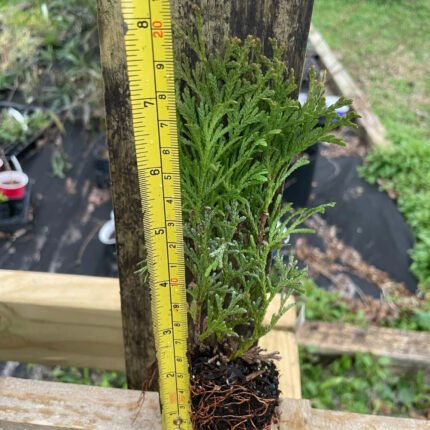
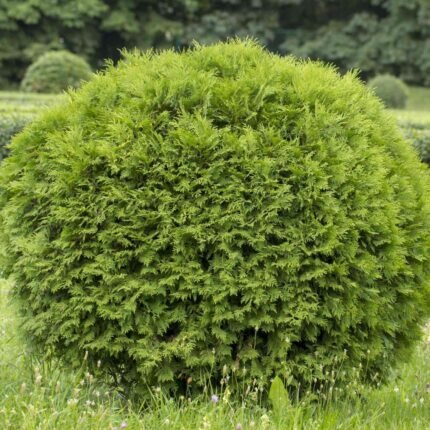
Little Giant Arborvitae Plant – Thuja occidentalis ‘Little Giant’ (Dwarf Globe Evergreen, Live Starter Shrub)
Price range: $33.79 through $178.32
Select options
This product has multiple variants. The options may be chosen on the product page
Reviews
Clear filtersThere are no reviews yet.