
Spiny Greek Juniper – Juniperus chinensis 'Spiny Greek' (Columnar Evergreen, Live Starter Plant)
Price range: $33.79 through $209.89

Blue Agapanthus – Agapanthus africanus (Lily of the Nile, Live Starter Plant)
Price range: $33.79 through $59.97


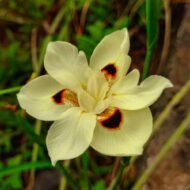
Yellow African Iris – Dietes bicolor (Fortnight Lily, Live Starter Plant)
Price range: $33.79 through $178.32
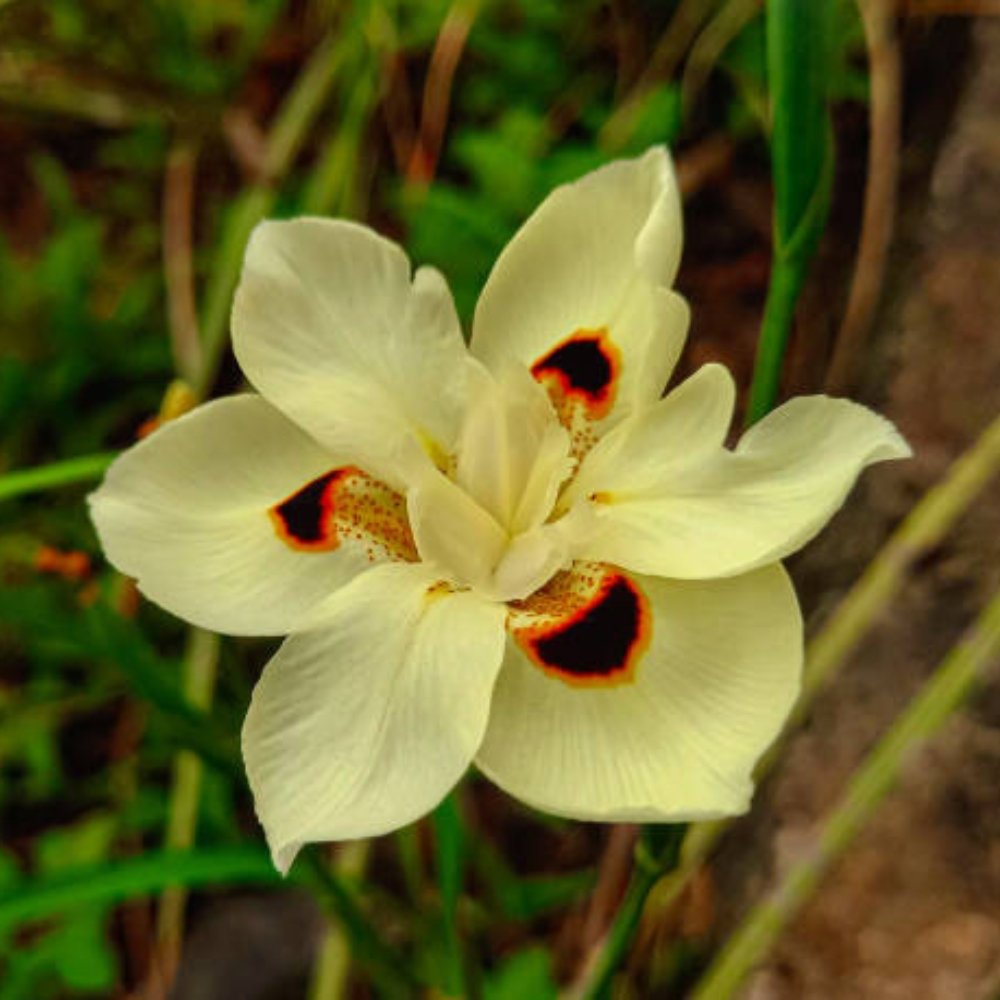
Add nonstop, easy-care color with a live Yellow African Iris (Dietes bicolor), also called the Fortnight Lily. This evergreen, clumping perennial sends up delicate pale-yellow, iris-like flowers marked with dark maroon, orange-ringed spots above fans of sword-shaped green foliage — in fresh flushes every couple of weeks from spring through fall. Drought- and heat-tolerant, deer-resistant, and nearly carefree, it grows about 2–3 feet tall and wide and shines in borders, mass plantings, and containers. Shipped as a healthy, fully rooted live starter plant (under 12 inches tall) — not seeds — by Carlo’s Plant Farm. Cold hardy in USDA zones 8–11.
Description
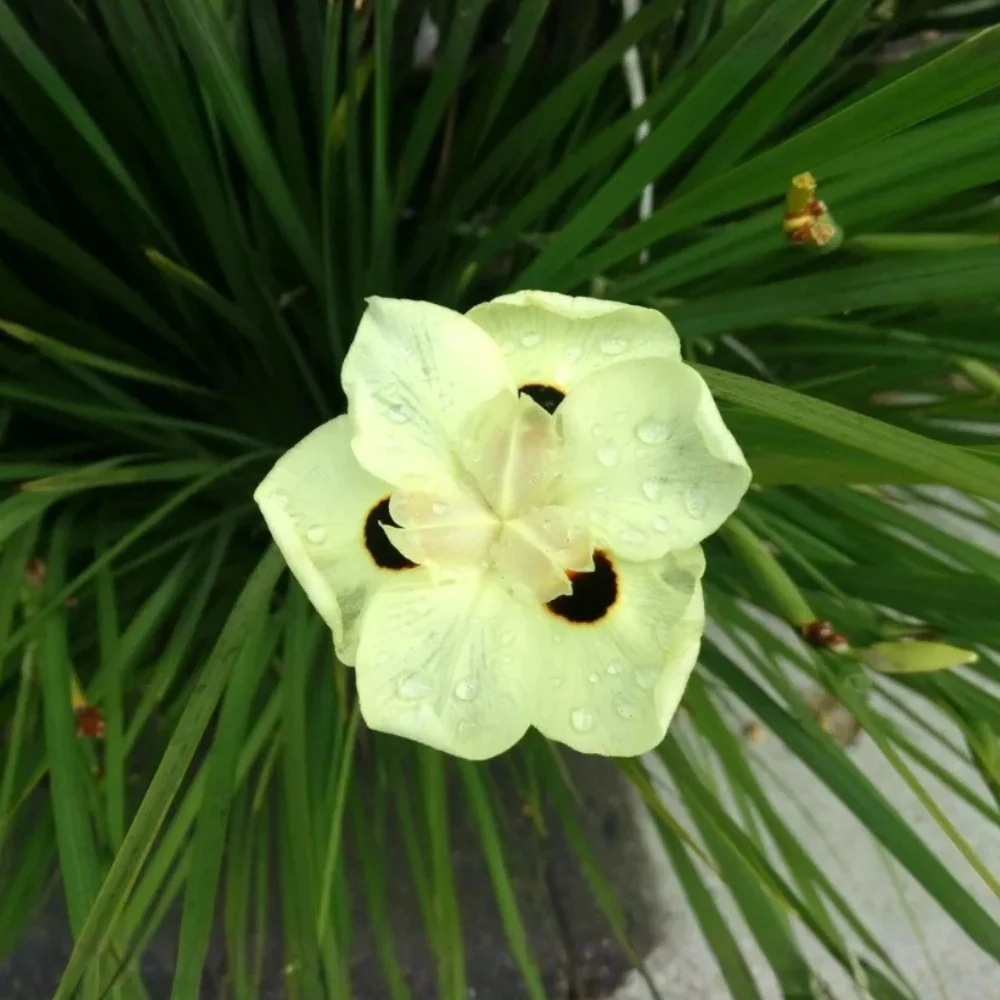
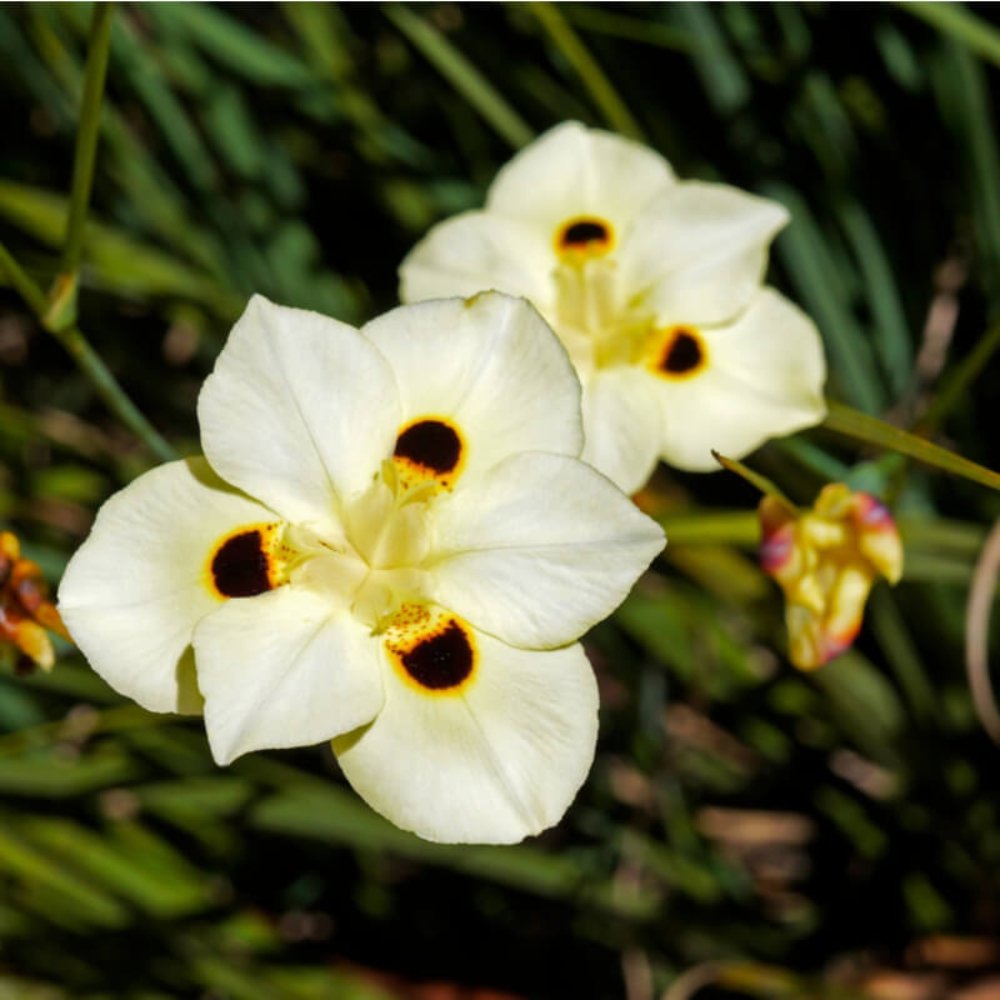
The Yellow African Iris (Dietes bicolor), also called the Fortnight Lily or butterfly flag, is a tough, graceful evergreen perennial that blooms almost nonstop in warm climates. Its delicate, pale-yellow, iris-like flowers are marked with three dark maroon spots ringed in orange, rising on slender stalks above fans of sword-shaped green foliage. True to its fortnight nickname, it sends up fresh flushes of bloom every couple of weeks from spring through fall. As a result, drought-tough, deer-resistant, and nearly carefree, the Yellow African Iris brings dependable color and architectural texture to beds, borders, and containers.
Why Grow a Yellow African Iris?
- Blooms nearly year-round – cheerful pale-yellow, maroon-marked flowers appear in cycles every couple of weeks from spring into fall, and beyond in frost-free areas.
- Evergreen, architectural foliage – fans of sword-like green leaves look like an ornamental grass even when the plant is not in bloom.
- Tough & drought-tolerant – also thrives in heat and dry spells once established, so it is perfect for water-wise and low-maintenance gardens.
- Deer-resistant & pollinator-friendly – deer and rabbits leave its tough foliage alone, while bees and butterflies visit the flowers.
- Easy and reliable – especially pest- and disease-resistant, with almost no care needed beyond removing spent stalks.
Looking for more flowering and border plants? Browse our Flowering Plants and Groundcovers & Border Plants collections.
Plant Specifications at a Glance
- Botanical name: Dietes bicolor (yellow African iris, Fortnight Lily, butterfly flag, peacock flower)
- Plant type: Evergreen, clump-forming flowering perennial (grows from rhizomes)
- Plant family: Iridaceae (the iris family)
- Mature size: about 2–3 feet tall and 2–3 feet wide, in fan-shaped clumps
- Flowers: Pale-yellow, iris-like blooms with three dark maroon, orange-ringed spots
- Bloom season: Spring through fall (nearly year-round in frost-free areas); each flower lasts a day but is quickly replaced
- Notable traits: Drought- and heat-tolerant; deer- and rabbit-resistant; low-maintenance
- Cold Hardiness Zones: 8–11 (evergreen in zones 9–11; may slow or die back briefly after a hard freeze in zone 8, then recover)
Yellow African Iris Care & Growing Guide
This is one of the easiest, most reliable perennials you can grow. Follow these guidelines:
- Sunlight: Full sun to partial shade. Specifically, full sun gives the most flowers, though in very hot climates a little afternoon shade is fine.
- Water: Water regularly to establish a strong root system, then back off. Once mature, it is quite drought-tolerant, so water occasionally and more during prolonged drought. However, avoid waterlogged soil.
- Soil: Adapts to most well-drained soils (sandy, loamy, even clay if it does not stay wet).
- Cold Hardiness Zone: 8–11. In zone 8, mulch around the base before a hard freeze, since the foliage may die back but recovers quickly.
- Upkeep: Remove old flower stalks and tidy spent foliage to keep it neat and encourage more blooms. In addition, divide clumps every few years.
Ways to Use Yellow African Iris in the Landscape
This dependable, strappy perennial works in many sunny spots. Popular uses for the Yellow African Iris include:
- Borders, edging, and mass plantings
- Also groundcover under trees and foundation plantings
- Containers, rock gardens, and water-wise / xeriscape beds
- Similarly, pollinator and low-maintenance gardens
- Architectural accent and cut flowers
It pairs beautifully with other strappy, clumping perennials. For example, gardeners often combine it with its white-flowered cousin the White African Iris, the blue-flowered Blue Agapanthus, or grassy Liriope for contrasting color and texture.
What You’ll Receive
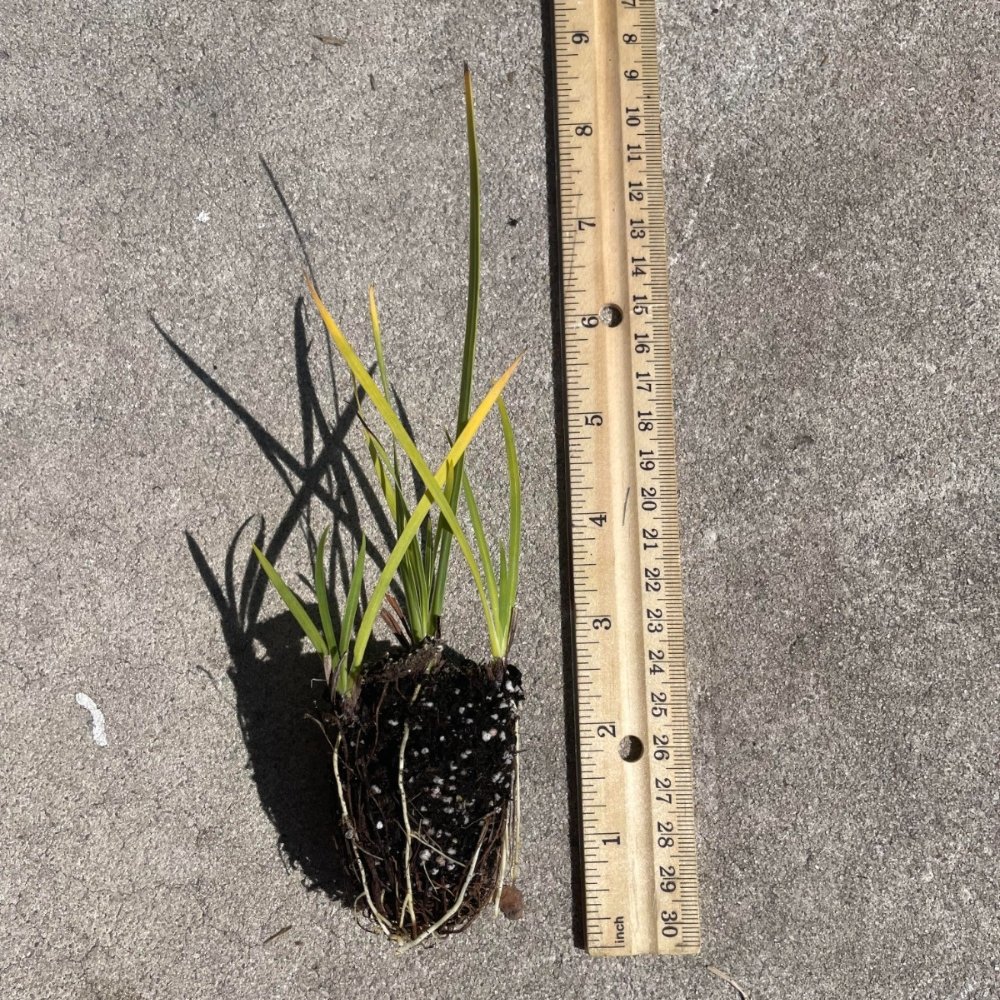
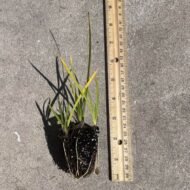
These are live, fully rooted Yellow African Iris starter plants — not seeds — grown and shipped by Carlo’s Plant Farm. Each plant is less than 12 inches tall when we ship it, giving you a head start on a nearly year-round bloomer. The listing photos show mature plants of the same species. That way, you can see how yours will look as they grow and bloom. Finally, choose your preferred bundle size using the options above.
Also, due to different state laws, we reserve the right to charge extra fees where necessary to comply.
Ordering, Shipping & Returns
Every order ships free and is insured against loss or damage in transit. For full details on how we pack and send your plants, processing and delivery times, and what to do in the rare case of a problem, please review our Shipping Policy and Terms & Conditions before purchasing. By placing an order, you agree to those terms.
Yellow African Iris FAQ
Growing & Care Questions
What is a Yellow African Iris?
It is a tough, graceful evergreen perennial, Dietes bicolor, also called the Fortnight Lily or butterfly flag. Notably, its pale-yellow, iris-like flowers are marked with three dark maroon spots ringed in orange, on slender stalks above sword-shaped foliage.
Why is it called the Fortnight Lily?
It is the bloom rhythm. True to the name, it sends up fresh flushes of flowers about every couple of weeks, from spring through fall. As a result, it stays in near-constant color through the season.
Do the flowers really last only a day?
Yes, but that is not a drawback. Each individual flower lasts about a day. However, it is quickly replaced by the next, so the plant keeps blooming in steady cycles.
How big does the Yellow African Iris get?
It grows about 2 to 3 feet tall and wide, in fan-shaped clumps. As a result, it gives both flower color and grass-like, architectural texture to beds and borders.
How far apart should I plant Yellow African Iris?
For a full border or mass planting, space plants about 2 feet apart. That spacing lets the fan-shaped clumps fill in while leaving room to divide later.
Hardiness, Buying & Shipping Questions
How much sun does the Yellow African Iris need?
It grows in full sun to partial shade. Specifically, full sun gives the most flowers, though a little afternoon shade is fine in very hot climates.
How often should I water it?
Water regularly to establish a strong root system, then back off. Once mature, it is quite drought-tolerant, so water occasionally and more during prolonged drought. However, avoid waterlogged soil.
What growing zones is it suited for?
It is hardy in USDA Cold Hardiness Zones 8 to 11, staying evergreen in zones 9 to 11. However, in zone 8 it may die back briefly after a hard freeze, then recover.
How do I keep it blooming and tidy?
Remove old flower stalks and tidy spent foliage to keep it neat and encourage more blooms. In addition, divide the clumps every few years to keep them vigorous.
What size plants will I receive?
You will receive live Yellow African Iris starter plants. Each one is under 12 inches tall at shipping, grown and shipped by Carlo’s Plant Farm. The listing photos show mature plants of the same species. So you can see how yours will look as they grow and bloom. Finally, choose your bundle size using the options above.
Additional information
| Weight | 1 lbs |
|---|---|
| Dimensions | 12 × 4 × 4 in |
Reviews (0)
Related products
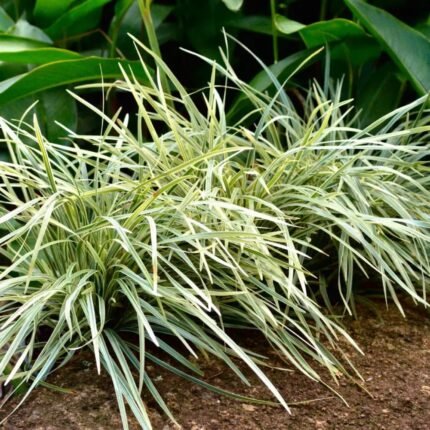

Aztec Grass – Liriope muscari ‘Aztec Grass’ (Variegated Lilyturf, Live Starter Plants)
Price range: $33.79 through $178.32
Select options
This product has multiple variants. The options may be chosen on the product page
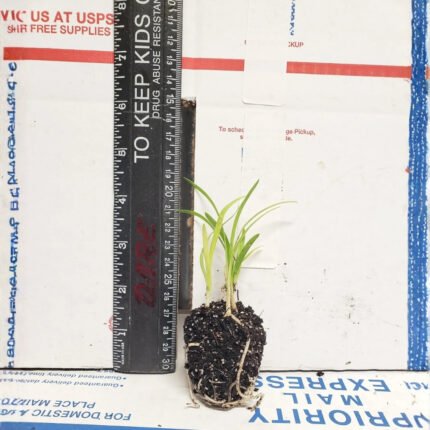
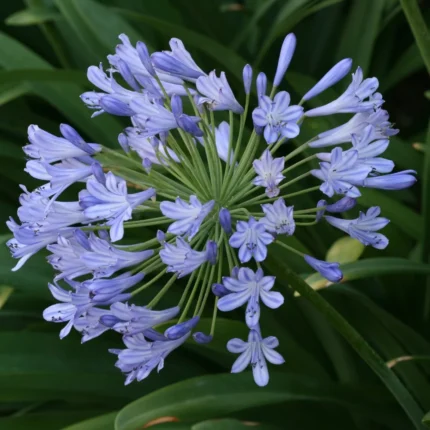
Blue Agapanthus – Agapanthus africanus (Lily of the Nile, Live Starter Plant)
Price range: $33.79 through $59.97
Select options
This product has multiple variants. The options may be chosen on the product page
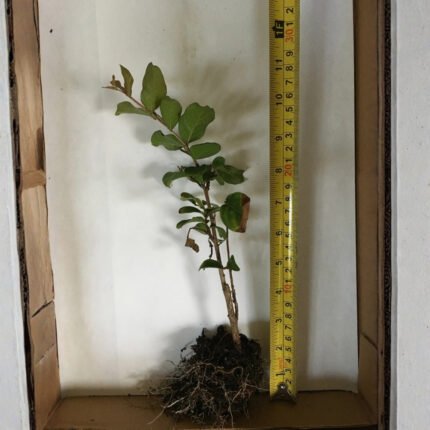
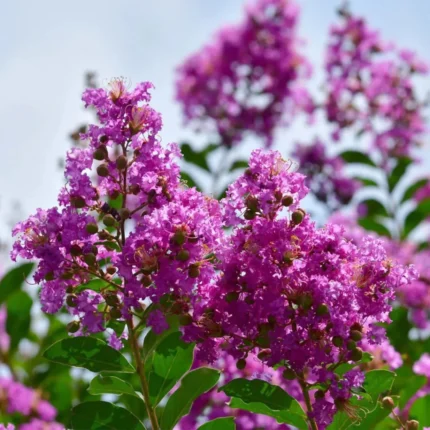
Crape Myrtle Twilight – Lagerstroemia ‘Twilight’ (Deep Purple Flowering Tree, Live Plants)
Price range: $33.79 through $178.32
Select options
This product has multiple variants. The options may be chosen on the product page
Sold out
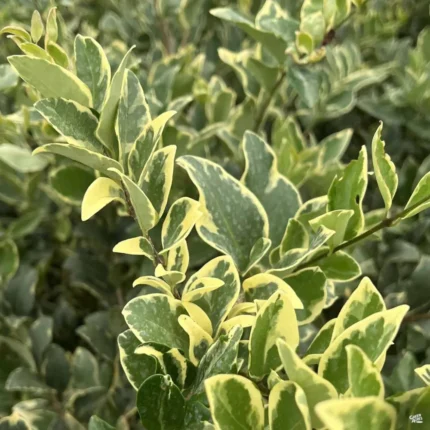
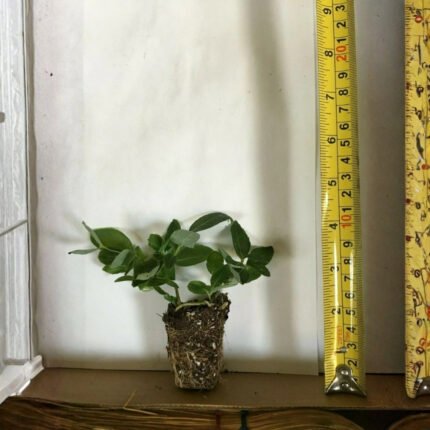
Jack Frost Ligustrum – Ligustrum japonicum ‘Jack Frost’ (Variegated Japanese Privet, Live Starter Plants)
Price range: $33.79 through $178.32
Select options
This product has multiple variants. The options may be chosen on the product page
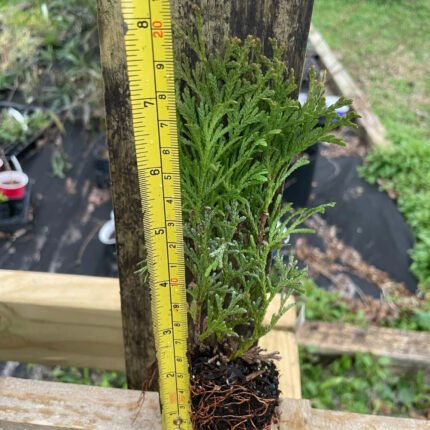

Little Giant Arborvitae Plant – Thuja occidentalis ‘Little Giant’ (Dwarf Globe Evergreen, Live Starter Shrub)
Price range: $33.79 through $178.32
Select options
This product has multiple variants. The options may be chosen on the product page
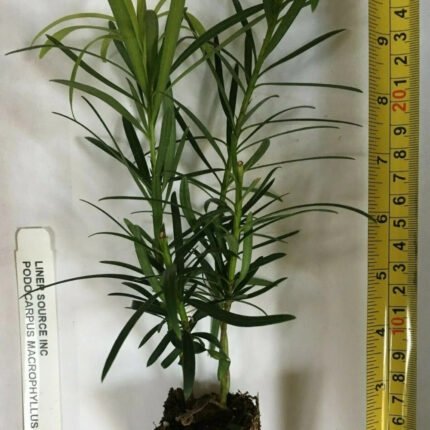

Podocarpus Macrophyllus Plant – Podocarpus macrophyllus (Yew Pine / Buddhist Pine, Live Starter Shrub)
Price range: $33.79 through $1,199.98
Select options
This product has multiple variants. The options may be chosen on the product page
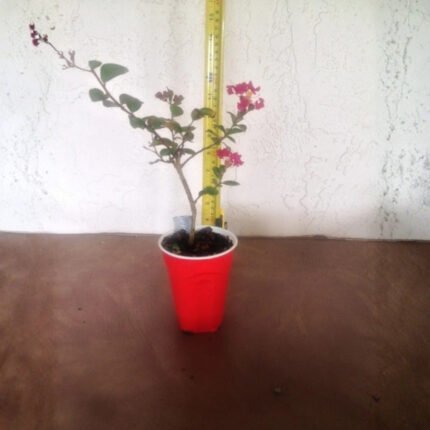
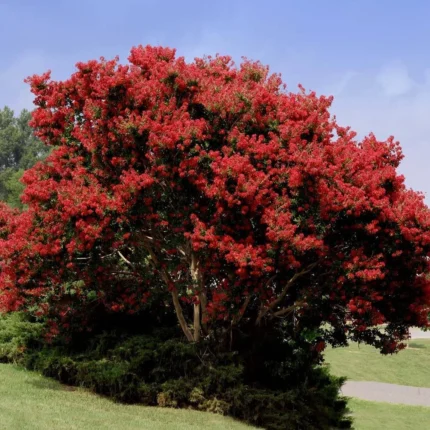
Tuscarora Crape Myrtle Plant – Lagerstroemia indica × fauriei ‘Tuscarora’ (Coral-Pink Flowering Tree, Live Starter Plant)
Price range: $33.79 through $178.32
Select options
This product has multiple variants. The options may be chosen on the product page
Wax Myrtle Plant – Myrica cerifera (Southern Wax Myrtle, Live Starter Shrub)
Price range: $33.79 through $178.32
Select options
This product has multiple variants. The options may be chosen on the product page
Reviews
Clear filtersThere are no reviews yet.