

Blue Agapanthus – Agapanthus africanus (Lily of the Nile, Live Starter Plant)
Price range: $33.79 through $59.97
Chocolate Queen Cordyline – Cordyline fruticosa (Chocolate-Purple Ti Plant, Live Starter Plant)
Price range: $33.79 through $178.32
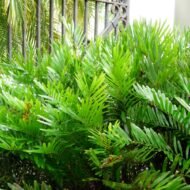
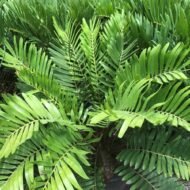
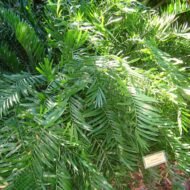
Coontie Palm – Zamia integrifolia (Florida-Native Cycad, Atala Butterfly Host, Live Plant)
Price range: $33.79 through $178.32
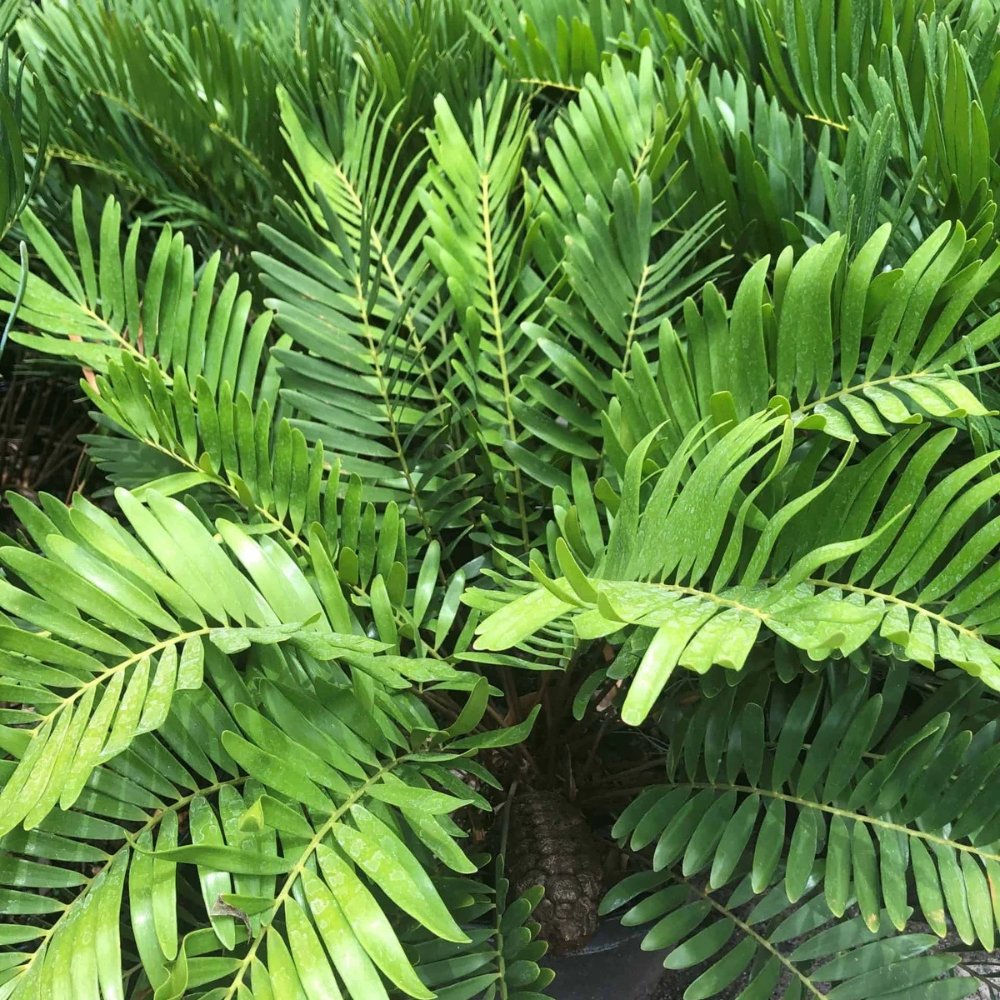
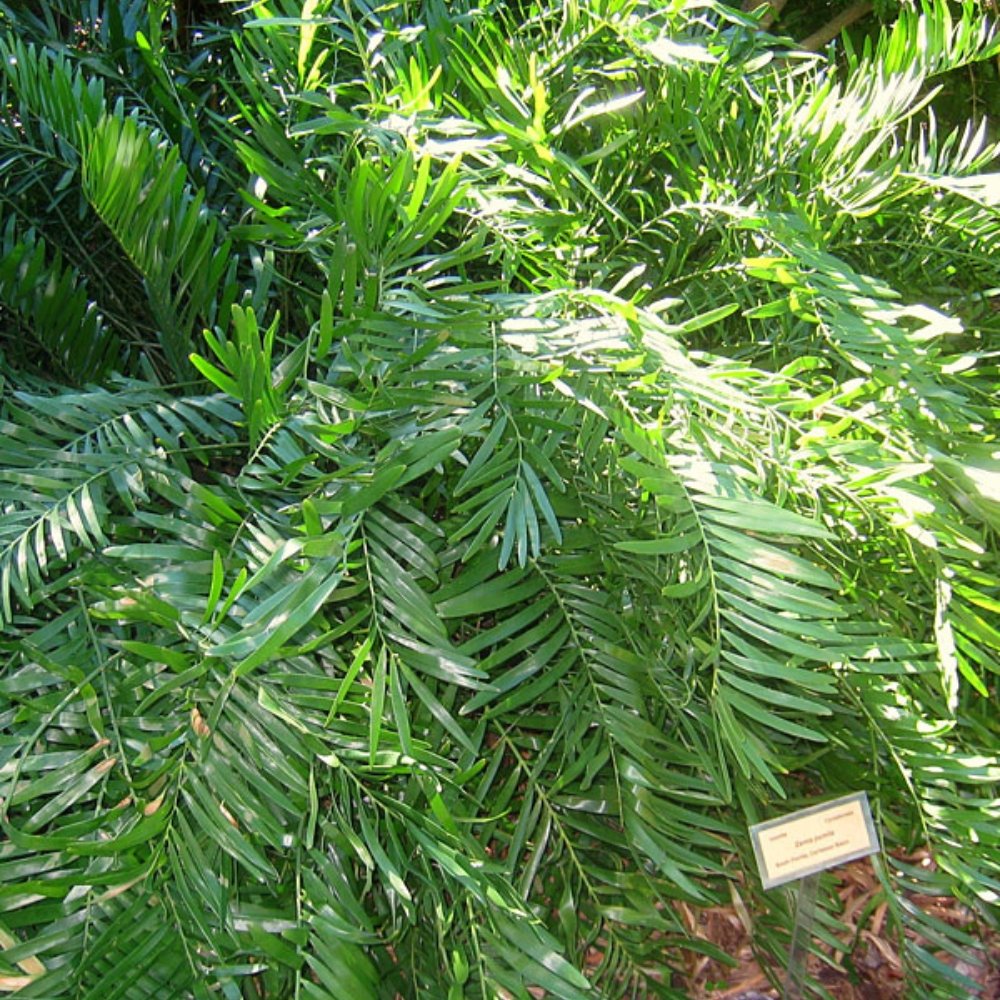
Add tough, ancient beauty with a live Coontie Palm (Zamia integrifolia), a Florida-native cycad and the only cycad native to the continental U.S. Despite the “palm” name, it forms a low, mounding clump of stiff, glossy, palm-like fronds and is the sole host plant for the rare Atala butterfly. Evergreen, slow-growing, and nearly indestructible, it’s salt-, drought-, and heat-tolerant and grows under 3 feet tall by 3–5 feet wide. Shipped as a healthy, fully rooted live starter plant (under 12 inches tall) by Carlo’s Plant Farm. Cold hardy in USDA zones 8–11; all parts are toxic if ingested.
Description
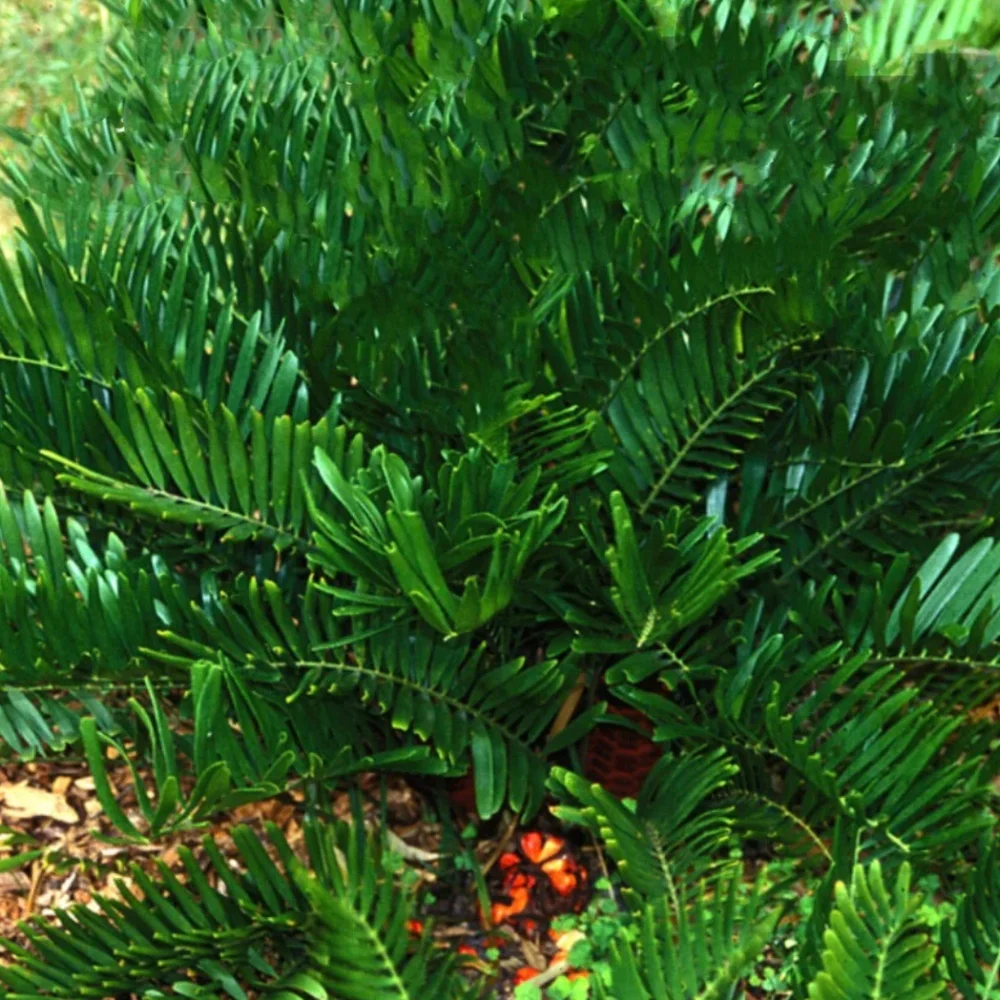
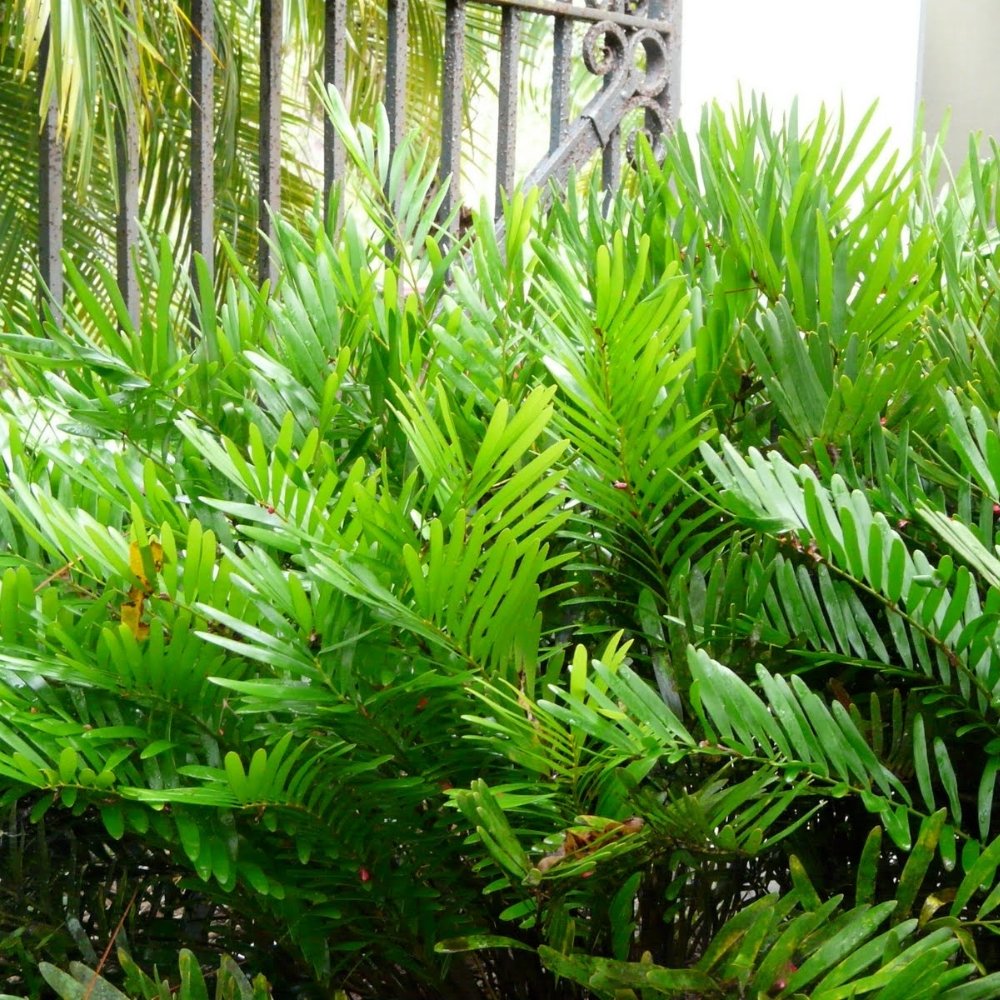
The Coontie Palm (Zamia integrifolia) is a tough, beautiful Florida native with an ancient pedigree. It is actually a cycad, the only one native to the continental United States, and a relative of plants that grew before the dinosaurs. Despite the palm nickname, it forms a low, mounding clump of stiff, arching, glossy dark green fronds that give a lush, palm-like or fern-like look. As a result, slow-growing, evergreen, and nearly indestructible once established, the Coontie Palm is also the sole host plant for the rare Atala butterfly, making it a standout choice for native and wildlife gardens.
Why Grow a Coontie Palm?
- Florida native & butterfly host – the only larval host plant for the rare Atala butterfly, so planting it helps bring this beautiful native back.
- Tough as nails – exceptionally drought-tolerant and salt-tolerant, thriving in heat, poor soils, and tough spots where little else grows.
- Evergreen, low-maintenance form – glossy, palm-like fronds give year-round structure with almost no care or pruning needed.
- Sun or shade – also adapts to everything from filtered shade to full sun.
- A living antique – especially prized as an ancient cycad and a great native alternative to the overused, non-native sago palm.
Looking for more tough natives and structure plants? Browse our Outdoor Plants and Groundcovers & Border Plants collections.
Plant Specifications at a Glance
- Botanical name: Zamia integrifolia (also known as Zamia floridana / Zamia pumila)
- Plant type: Evergreen, palm-like cycad (slow-growing, clump-forming perennial)
- Plant family: Zamiaceae (the cycad family)
- Mature size: generally under 3 feet tall and about 3–5 feet wide, forming a low mound
- Foliage: Stiff, arching, glossy dark green pinnate (frond-like) leaves
- Cones & seeds: Dioecious — mature female plants produce cones that reveal shiny orange-red seeds in autumn
- Notable traits: Florida native; Atala butterfly host; salt-, drought-, and heat-tolerant; deer-resistant
- Cold Hardiness Zones: 8–11 (one of the most cold-hardy cycads)
Coontie Palm Care & Growing Guide
The coontie is famously easy and tough. Follow these guidelines:
- Sunlight: Very adaptable, anything from partial shade to full sun. Specifically, filtered light to part shade is ideal, though it handles full sun once established.
- Water: Water regularly through the first growing season to establish a strong root system, then back off. It is extremely drought-tolerant and dislikes wet feet, so let the soil dry between waterings.
- Soil: Well-drained, sandy soil (acidic to neutral). Importantly, good drainage is essential to protect the underground stem from rot.
- Cold Hardiness Zone: 8–11. In a hard freeze it may drop leaves and go dormant, then flush back out from its tough underground stem.
- Feeding: Feed with a slow-release fertilizer as new growth begins in spring. In addition, trimming is rarely needed.
Important – toxicity: like all cycads, every part of the coontie contains cycasin and is toxic to people, dogs, cats, and horses if eaten. Native Americans once made an edible Florida arrowroot starch from the root, but only after extensive processing to remove the toxin, so do not attempt this. Therefore, keep pets and children from chewing on the plant or seeds.
Ways to Use Coontie Palm in the Landscape
This tough native cycad anchors low-water, wildlife-friendly designs. Popular uses for the Coontie Palm include:
- Florida native and Atala butterfly gardens (plant in groups)
- Also foundation plantings, borders, and edging
- Mass plantings and tough, low-water groundcover
- Similarly, coastal and xeriscape landscapes, plus understory beneath trees
- Containers and specimen accents, as a native alternative to sago palm
It pairs beautifully with other Florida natives and tough plants. For example, gardeners often combine it with the native Dune Sunflower, the native Wax Myrtle, or the yellow-flowered Golden Glory Ornamental Peanut.
What You’ll Receive
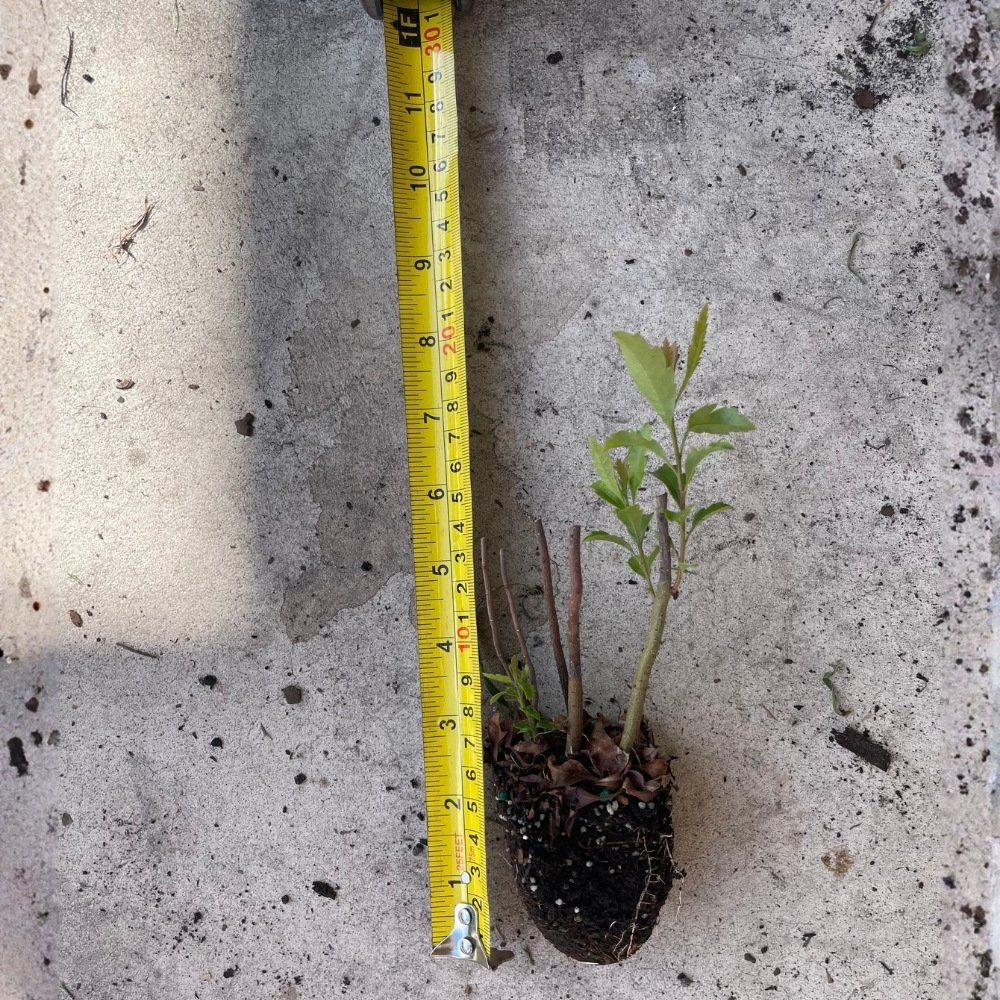
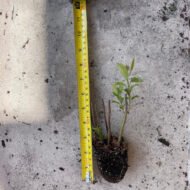
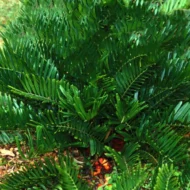
This is a live, fully rooted Coontie Palm starter plant, grown and shipped by Carlo’s Plant Farm. Each plant is less than 12 inches tall when we ship it, giving you a rooted head start on a tough, native cycad. The listing photos show mature plants of the same species. That way, you can see how yours will look as they grow. Finally, choose your preferred bundle size using the options above.
Also, due to different state laws, we reserve the right to charge extra fees where necessary to comply.
Ordering, Shipping & Returns
Every order ships free and is insured against loss or damage in transit. For full details on how we pack and send your plants, processing and delivery times, and what to do in the rare case of a problem, please review our Shipping Policy and Terms & Conditions before purchasing. By placing an order, you agree to those terms.
Coontie Palm FAQ
Growing & Care Questions
What is a Coontie Palm?
It is a tough, beautiful Florida native with an ancient pedigree. Notably, despite the palm nickname, it is actually a cycad, the only one native to the continental United States, and it forms a low mound of stiff, glossy, palm-like fronds.
Is the Coontie really a palm?
No, and that is a common mix-up. It only looks palm-like. In fact, it is a cycad, a relative of plants that grew before the dinosaurs, so it makes a great native alternative to the non-native sago palm.
Why is the Coontie important for butterflies?
It is the only larval host plant for the rare Atala butterfly. As a result, planting it, especially in groups, helps bring this beautiful native butterfly back to the landscape.
How big does the Coontie Palm get?
It is slow-growing and stays compact, generally under 3 feet tall and about 3 to 5 feet wide, forming a low mound. As a result, it fits neatly into borders, foundations, and mass plantings.
How far apart should I plant Coontie Palms?
For a mass planting or groundcover effect, space plants about 3 feet apart. Because they grow slowly, that spacing gives each mound room to fill in over time.
Safety, Hardiness & Shipping Questions
How much sun does the Coontie Palm need?
It is very adaptable, handling anything from partial shade to full sun. Specifically, filtered light to part shade is ideal, though it tolerates full sun once established.
How often should I water a Coontie Palm?
Water regularly through the first growing season to establish a strong root system, then back off. It is extremely drought-tolerant. However, it dislikes wet feet, so let the soil dry between waterings.
What growing zones is the Coontie Palm suited for?
It is hardy in USDA Cold Hardiness Zones 8 to 11, making it one of the most cold-hardy cycads. In a hard freeze it may drop leaves and go dormant, then flush back out from its tough underground stem.
Is the Coontie Palm toxic to pets and people?
Yes, very. Like all cycads, every part of the coontie contains cycasin and is toxic to people, dogs, cats, and horses if eaten. Therefore, keep pets and children from chewing on the plant or its orange-red seeds.
What size plants will I receive?
You will receive a live Coontie Palm starter plant. Each one is under 12 inches tall at shipping, grown and shipped by Carlo’s Plant Farm. The listing photos show mature plants of the same species. So you can see how yours will look as they grow. Finally, choose your bundle size using the options above.
Additional information
| Weight | 1 lbs |
|---|---|
| Dimensions | 12 × 4 × 4 in |
Reviews (0)
Related products
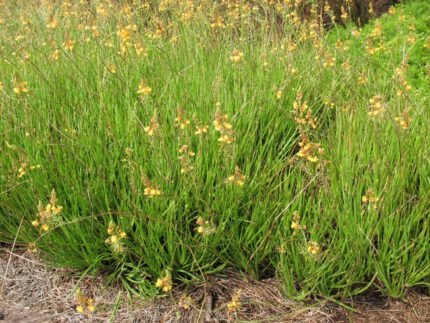
Bulbine ‘Hallmark’ Orange – Bulbine frutescens (Orange Bulbine, Live Starter Plants)
Price range: $33.79 through $178.32
Select options
This product has multiple variants. The options may be chosen on the product page
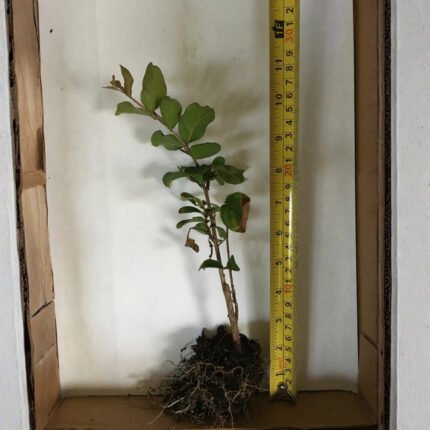
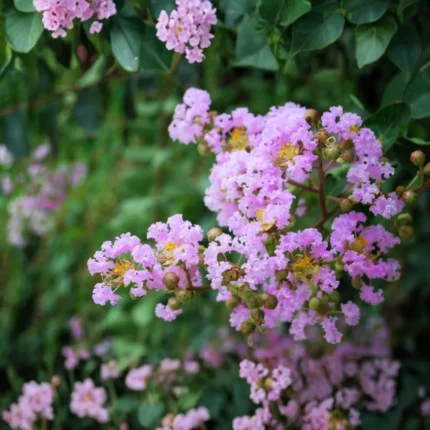
Crape Myrtle Muskogee – Lagerstroemia ‘Muskogee’ (Lavender Flowering Tree, Live Starter Plants)
Price range: $33.79 through $178.32
Select options
This product has multiple variants. The options may be chosen on the product page
Sold out
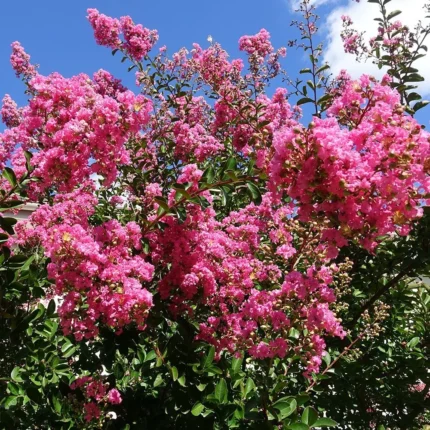
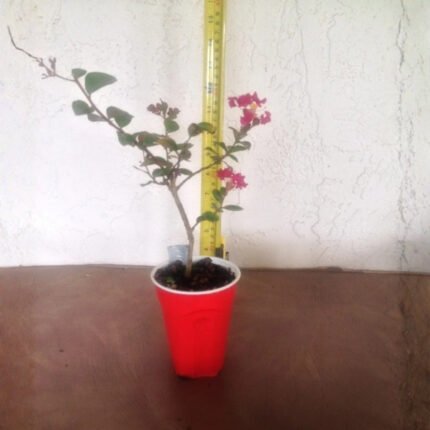
Crape Myrtle Tonto – Lagerstroemia ‘Tonto’ (Fuchsia-Red Flowering Tree, Live Starter Plants)
Price range: $33.79 through $178.32
Select options
This product has multiple variants. The options may be chosen on the product page
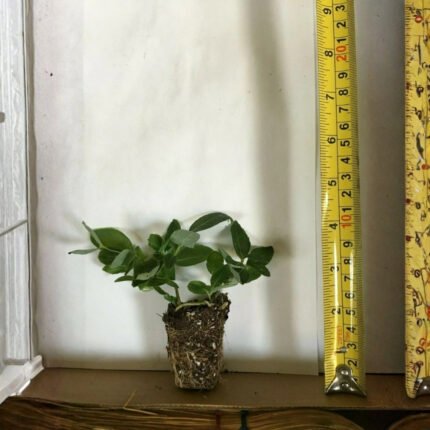
Sold out
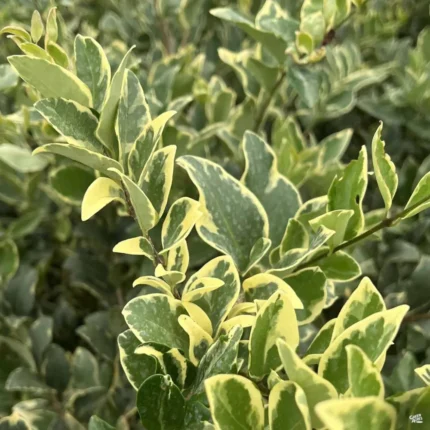
Jack Frost Ligustrum – Ligustrum japonicum ‘Jack Frost’ (Variegated Japanese Privet, Live Starter Plants)
Price range: $33.79 through $178.32
Select options
This product has multiple variants. The options may be chosen on the product page
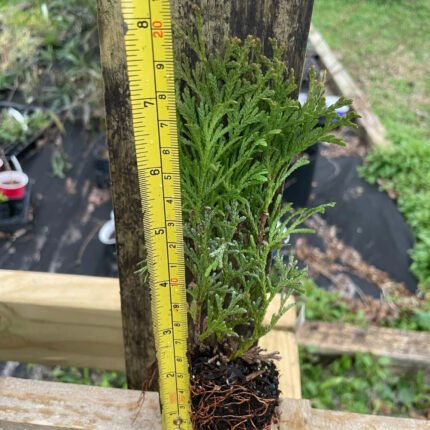
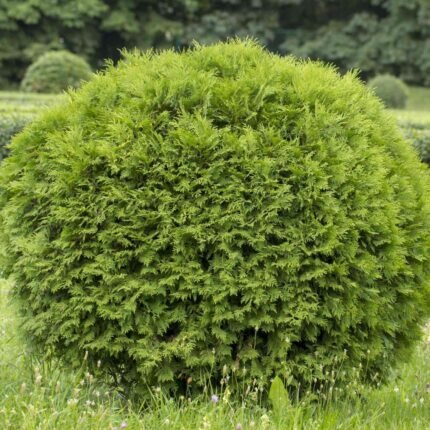
Little Giant Arborvitae Plant – Thuja occidentalis ‘Little Giant’ (Dwarf Globe Evergreen, Live Starter Shrub)
Price range: $33.79 through $178.32
Select options
This product has multiple variants. The options may be chosen on the product page
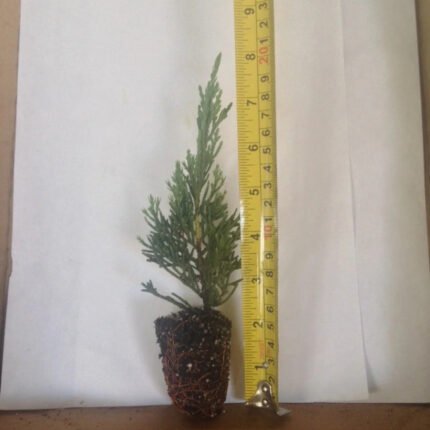
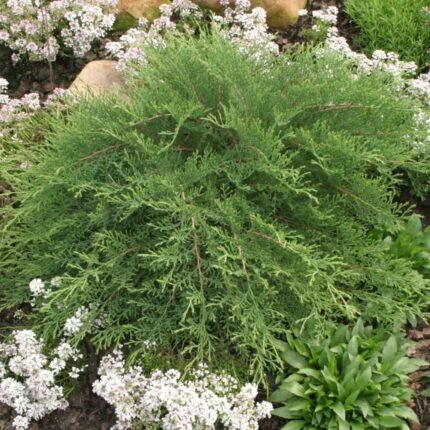
Parsoni Juniper Plant – Juniperus davurica ‘Parsonii’ (Parson’s Juniper, Spreading Evergreen Groundcover, Live Starter Plant)
Price range: $33.79 through $178.32
Select options
This product has multiple variants. The options may be chosen on the product page
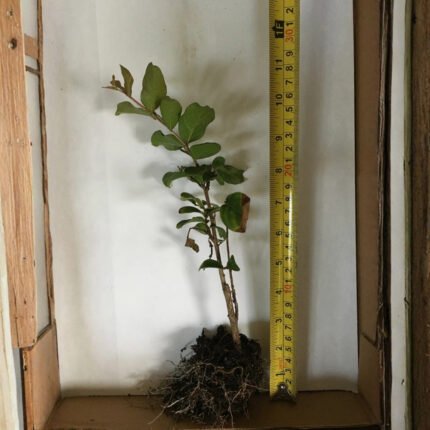
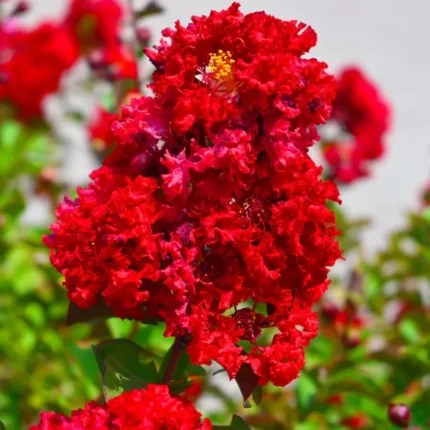
Red Rocket Crape Myrtle Plant – Lagerstroemia indica ‘Whit IV’ (True-Red Flowering Tree, Live Starter Plant)
Price range: $33.79 through $178.32
Select options
This product has multiple variants. The options may be chosen on the product page
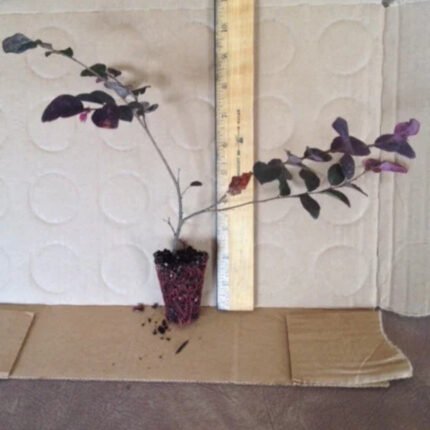
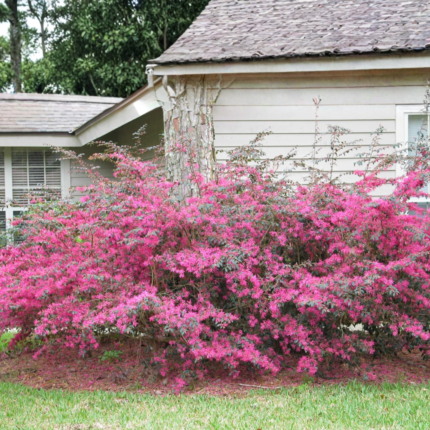
Ruby Loropetalum Plant – Loropetalum chinense var. rubrum (Chinese Fringe Flower, Live Starter Shrub)
Price range: $33.79 through $178.32
Select options
This product has multiple variants. The options may be chosen on the product page
Reviews
Clear filtersThere are no reviews yet.