
White Jade Pineapple Plant – Ananas comosus 'White Jade' (Live Plant)
Price range: $33.79 through $178.32
Scarlet Sage Plant – Salvia coccinea (Live Starter Plant)
Price range: $33.79 through $178.32
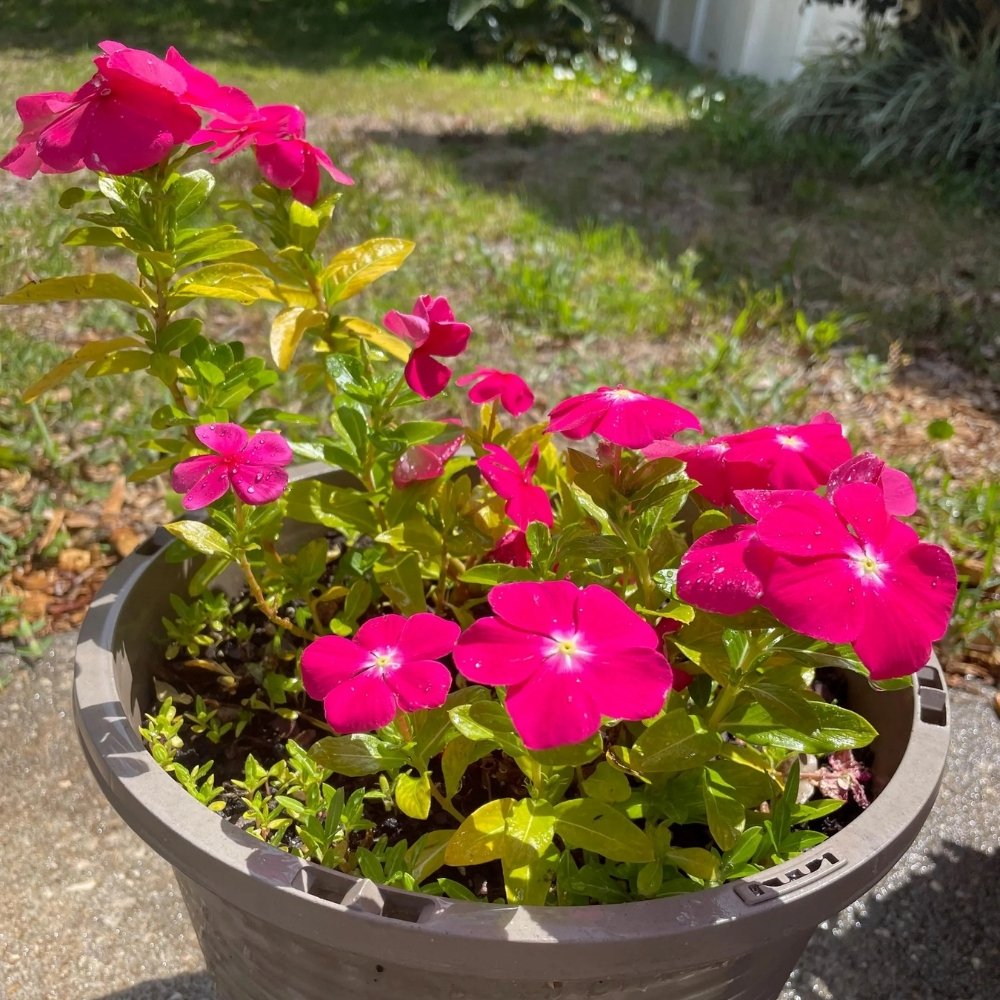
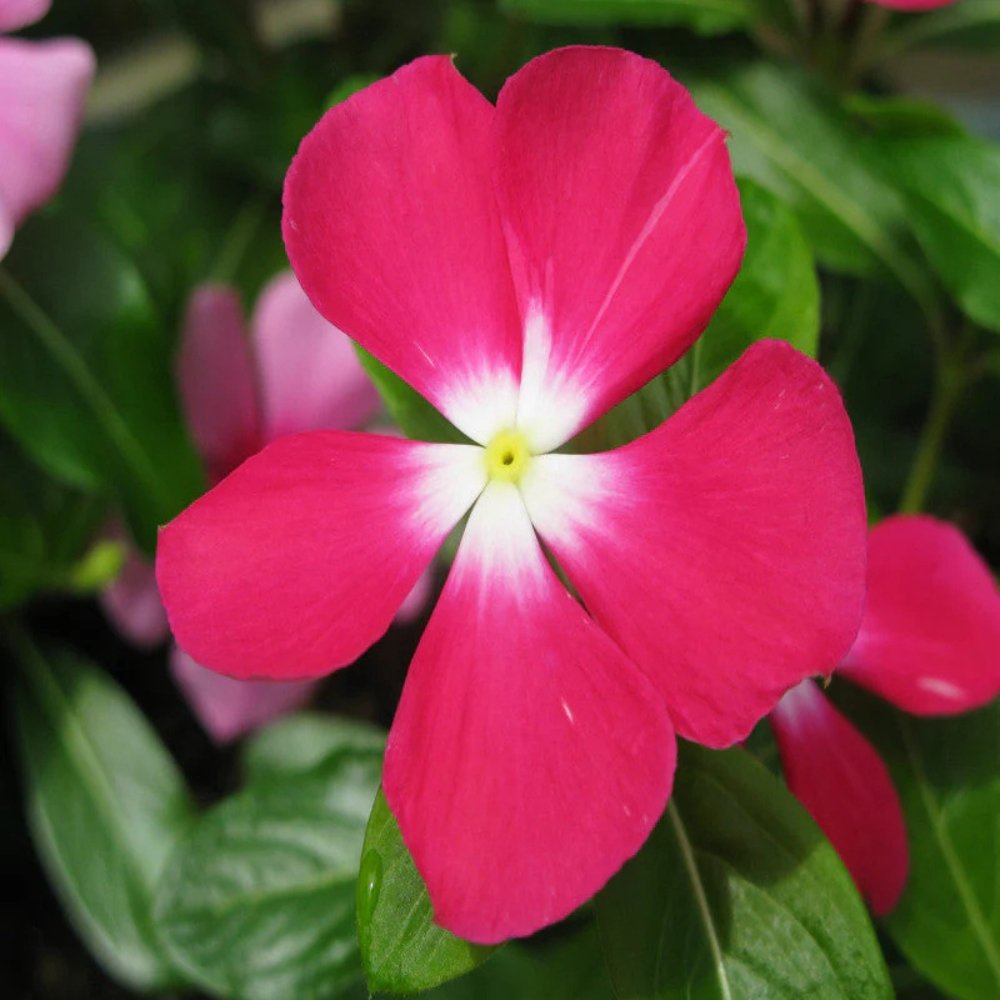
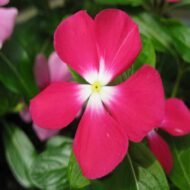
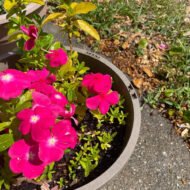
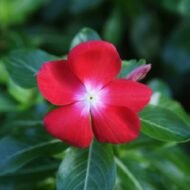
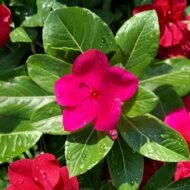
Madagascar Periwinkle Plant (Vinca) – Catharanthus roseus
Price range: $33.79 through $178.32
Bring non-stop color to hot, sunny spots with a live Madagascar Periwinkle plant (Catharanthus roseus), also known as annual vinca. This heat- and drought-tolerant bloomer is covered in glossy foliage and bright pinwheel flowers in white, pink, rose, and red from late spring until frost. Deer-resistant, low-maintenance, and perfect for beds, borders, and containers. Shipped as a healthy, fully rooted live starter plant (under 12 inches tall) — not seeds — by Carlo’s Plant Farm. Cold hardy in USDA zones 10–11. Note: all parts are toxic if eaten — keep away from children and pets.
Description
The Madagascar Periwinkle plant (Catharanthus roseus) is widely sold as annual vinca. In fact, it is one of the toughest, most colorful bloomers you can plant in a hot, sunny spot. Specifically, it produces a non-stop show of glossy foliage and bright, pinwheel-shaped flowers from late spring all the way to frost. In fact, it thrives in the heat just when other flowers fade. Low-maintenance, heat-loving, and drought-tolerant, the Madagascar Periwinkle plant is a go-to for easy, season-long color.
Why Grow a Madagascar Periwinkle Plant?
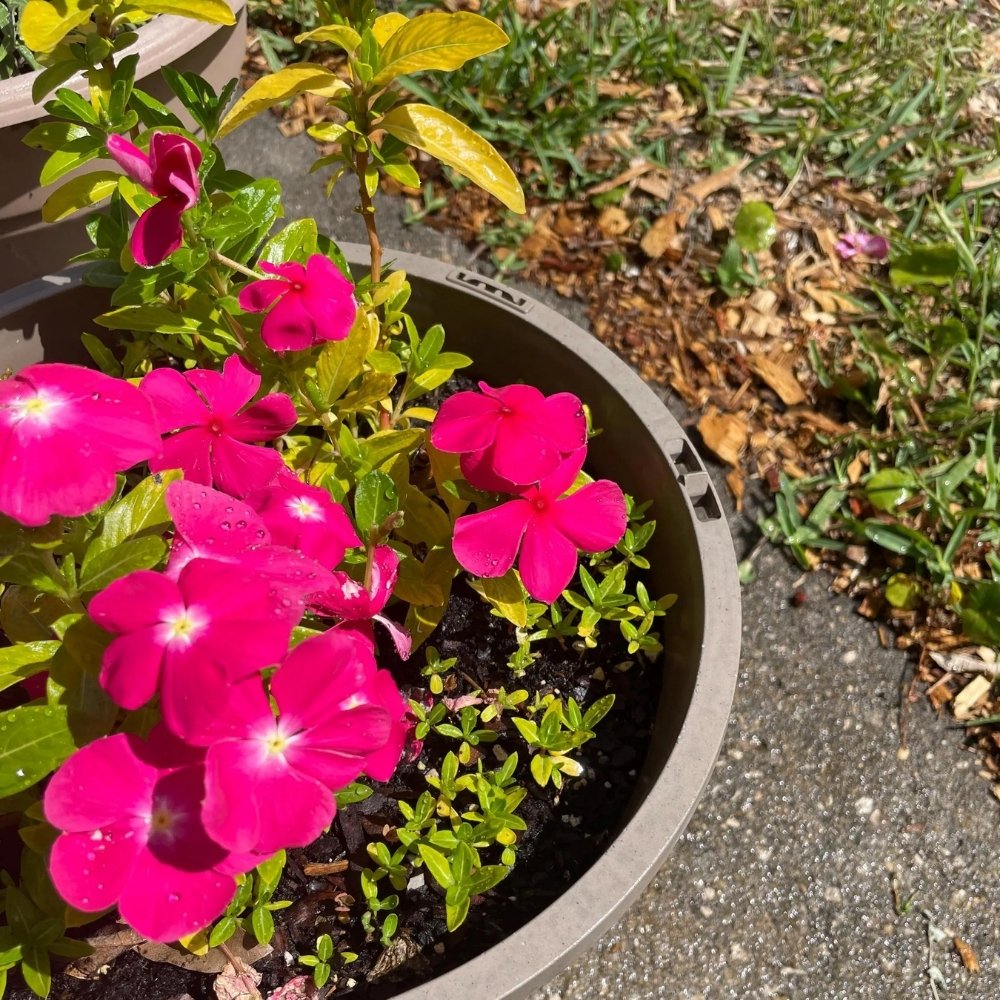
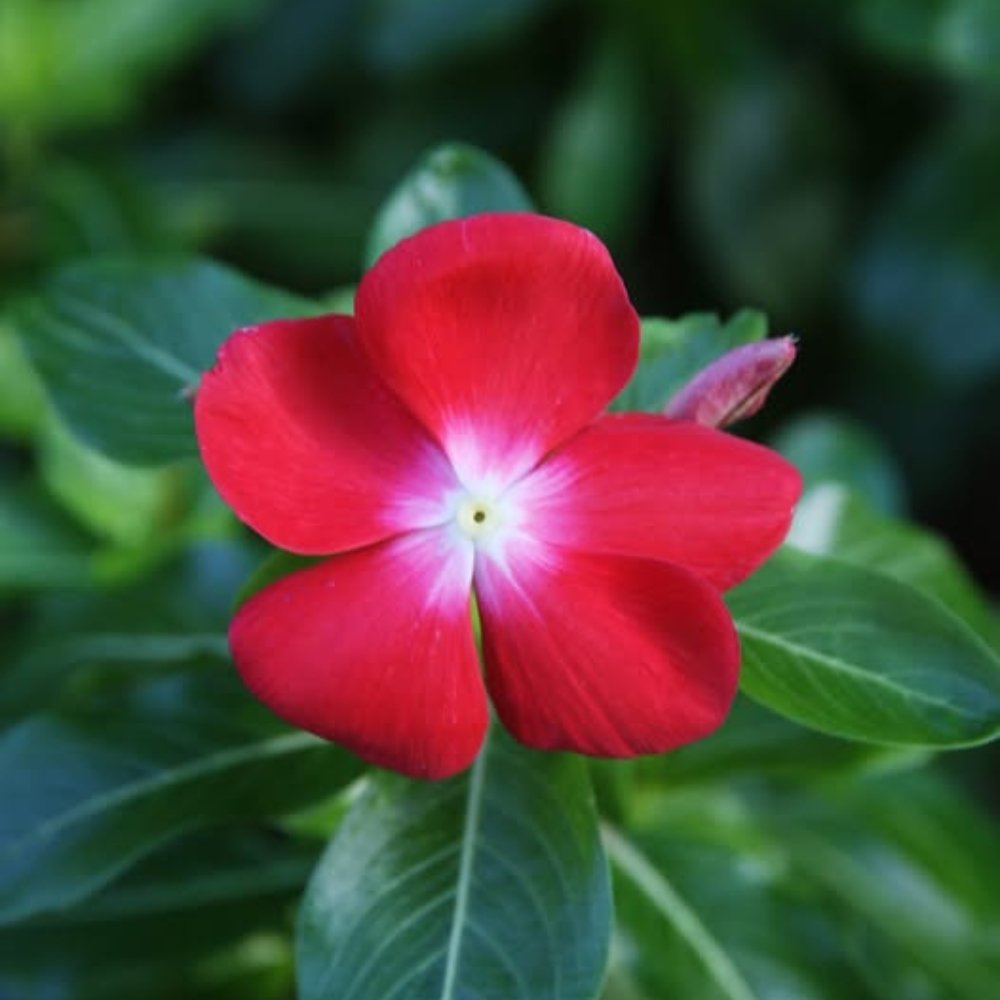
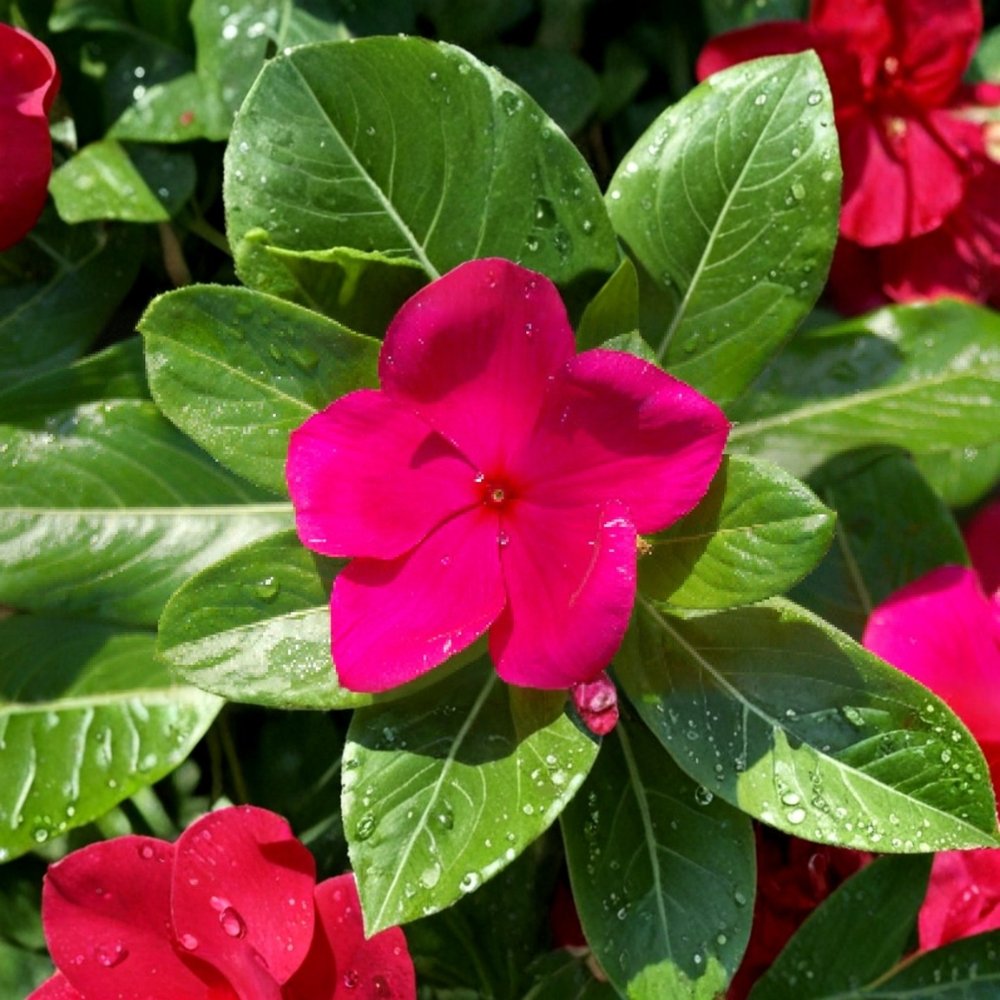
- Non-stop color – covered in flowers from late spring through frost, in shades of white, pink, rose, and red, often with a contrasting eye.
- Loves the heat – in fact, it blooms happily through high heat and humidity that wilt many other annuals.
- Drought-tolerant & low-maintenance – once established it needs little water and little fuss, and many modern types are self-cleaning and don’t require deadheading.
- Deer- & rabbit-resistant – generally left alone by deer and rabbits, and rarely bothered by pests.
- Versatile – also perfect for beds, borders, mass plantings, groundcover, containers, and hanging baskets.
Looking for more easy color? Browse our Flowering Plants and Outdoor Plants collections.
Plant Specifications at a Glance
- Botanical name: Catharanthus roseus (also known as annual vinca, Madagascar periwinkle, rose periwinkle, Cape periwinkle; formerly Vinca rosea)
- Plant type: Tender evergreen perennial, usually grown as a warm-season annual in cooler zones
- Plant family: Apocynaceae (the dogbane family)
- Mature height: mounding, commonly 1–2 feet and up to about 3 feet with glossy leaves
- Bloom season: Late spring through fall, until frost
- Flowers: White, pink, rose, and red, often with a contrasting eye
- Cold Hardiness Zones: 10–11 (grown as an annual in colder regions)
Madagascar Periwinkle Care & Growing Guide
The Madagascar Periwinkle plant rewards you with maximum color for minimal effort. Follow these simple guidelines:
- Sunlight: Full sun. More direct light means more flowers and stronger, healthier growth.
- Water: Moderate. Let the soil dry slightly between waterings, and avoid soggy soil. Vinca dislikes wet feet and can develop root rot if overwatered. However, it is drought-tolerant once established.
- Soil: Well-draining soil is essential. In fact, good drainage is the single most important factor for a healthy plant.
- Cold Hardiness Zone: 10–11. In colder zones, enjoy it as a warm-season annual.
- Pruning: Prune regularly to boost blooming and promote bushier growth. Pinching the stem tips early in the season encourages a fuller plant.
Please note: all parts of the Madagascar Periwinkle are toxic if eaten. So keep it away from young children and pets, and wash your hands after handling. Interestingly, this same plant is the natural source of the medical compounds vincristine and vinblastine.
Ways to Use Madagascar Periwinkle in the Landscape
This adaptable bloomer fits almost any hot, sunny design. Popular uses for the Madagascar Periwinkle plant include:
- Especially colorful bedding and front-of-border plantings
- Similarly, uniform edging along walkways and patios
- In addition, mass plantings and annual groundcover fill sunny gaps
- Containers, window boxes, and hanging baskets
- Finally, low-water, heat-tolerant gardens
Pair it with other sun- and heat-loving plants for a long season of color. For example, gardeners often combine it with the Scarlet Sage, Mexican Petunia (Purple Showers), or Dune Sunflower.
What You’ll Receive
These are live, fully rooted Madagascar Periwinkle starter plants — not seeds — grown and shipped by Carlo’s Plant Farm. Each plant is less than 12 inches tall when we ship it, giving you a blooming head start on the season. The listing photos show mature plants of the same species. That way, you can see how yours will look as they grow and bloom. Finally, choose your preferred bundle size using the options above.
Also, due to different state laws, we reserve the right to charge extra fees where necessary to comply.
Ordering, Shipping & Returns
Every order ships free and is insured against loss or damage in transit. For full details on how we pack and send your plants, processing and delivery times, and what to do in the rare case of a problem, please review our Shipping Policy and Terms & Conditions before purchasing. By placing an order, you agree to those terms.
Madagascar Periwinkle FAQ
Growing & Care Questions
Is Madagascar Periwinkle the same as annual vinca?
Yes. Madagascar Periwinkle (Catharanthus roseus) is the plant most garden centers sell as annual vinca. It is not the same as trailing Vinca minor or Vinca major, which are different ground-cover plants.
How long does Madagascar Periwinkle bloom?
It blooms from late spring all the way to frost. In fact, it keeps flowering through high heat and humidity, just when many other annuals fade.
How much sun does Madagascar Periwinkle need?
Full sun is best. The more direct light it gets, the more flowers it produces and the healthier it grows.
How often should I water vinca?
Water moderately and let the soil dry slightly between waterings. Vinca dislikes wet feet and can get root rot if it stays soggy. Once established, it is quite drought-tolerant.
Why is my vinca wilting or dying?
The most common cause is too much water or poor drainage, which leads to root rot. Plant it in well-draining soil, let it dry between waterings, and give it full sun to keep it healthy.
Hardiness, Buying & Shipping Questions
How far apart should I plant Madagascar Periwinkle?
Space plants about 8 to 12 inches apart. That spacing fills in for a solid carpet of color while still allowing good airflow.
What growing zones is Madagascar Periwinkle suited for?
It is a tender perennial, hardy outdoors in USDA Cold Hardiness Zones 10 to 11. In colder zones, gardeners grow it as a warm-season annual.
Is Madagascar Periwinkle toxic to pets and children?
Yes. All parts of the plant are toxic if eaten, so keep it away from young children and pets, and wash your hands after handling. Interestingly, it is also the natural source of the medical compounds vincristine and vinblastine.
Do I need to deadhead Madagascar Periwinkle?
Usually not. Many modern types are self-cleaning and bloom well without deadheading. However, a light pinch or trim early on encourages bushier, fuller growth.
What size plants will I receive?
You will receive live Madagascar Periwinkle starter plants. Each one is under 12 inches tall at shipping, grown and shipped by Carlo’s Plant Farm. The listing photos show mature plants of the same species. So you can see how yours will look as they grow and bloom. Finally, choose your bundle size using the options above.
Additional information
| Weight | 1 lbs |
|---|---|
| Dimensions | 12 × 4 × 4 in |
Reviews (0)
Related products
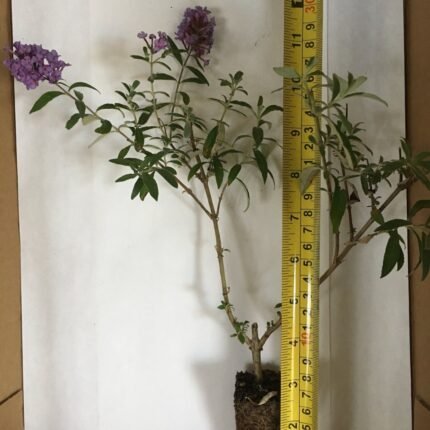
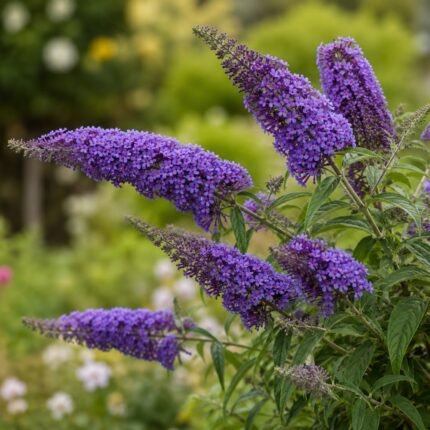
Buddleia ‘Nanho Blue’ – Buddleja davidii (Dwarf Blue Butterfly Bush, Live Plants)
Price range: $33.79 through $178.32
Select options
This product has multiple variants. The options may be chosen on the product page
Sold out
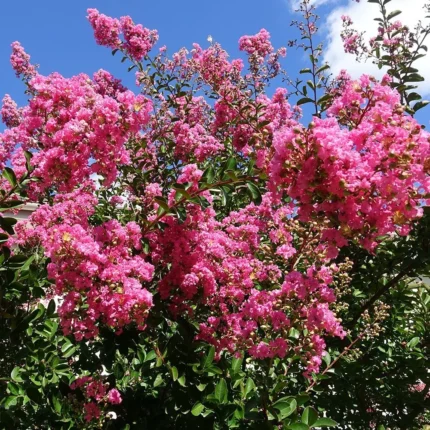
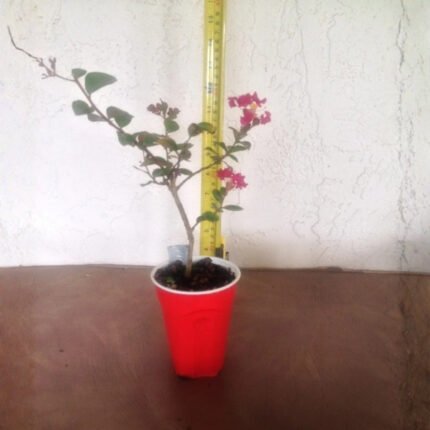
Crape Myrtle Tonto – Lagerstroemia ‘Tonto’ (Fuchsia-Red Flowering Tree, Live Starter Plants)
Price range: $33.79 through $178.32
Select options
This product has multiple variants. The options may be chosen on the product page
Sold out
Golden Glory Ornamental Peanut – Arachis glabrata (Perennial Peanut Groundcover, Live Starter Plants)
Price range: $33.79 through $178.32
Select options
This product has multiple variants. The options may be chosen on the product page
Sold out
Jack Frost Ligustrum – Ligustrum japonicum ‘Jack Frost’ (Variegated Japanese Privet, Live Starter Plants)
Price range: $33.79 through $178.32
Select options
This product has multiple variants. The options may be chosen on the product page
Sold out
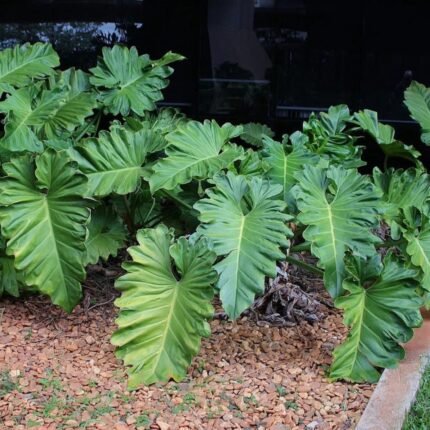
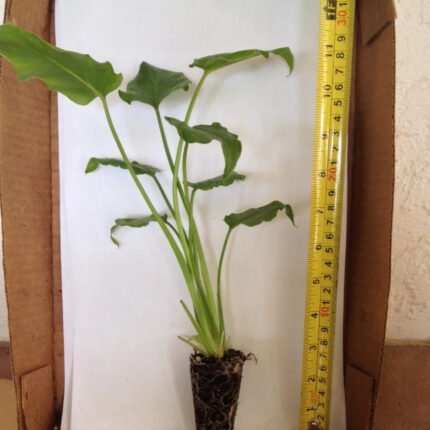
Philodendron Xanadu Plant – Thaumatophyllum xanadu (Live Tropical Starter Plant)
Price range: $33.79 through $288.88
Select options
This product has multiple variants. The options may be chosen on the product page
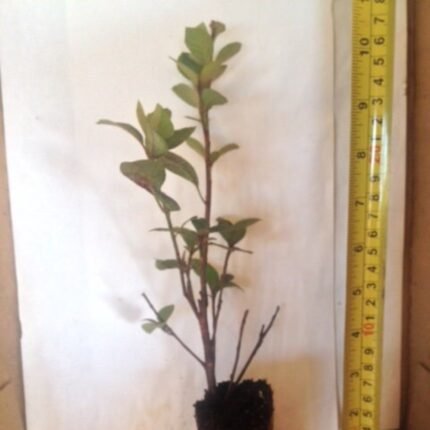
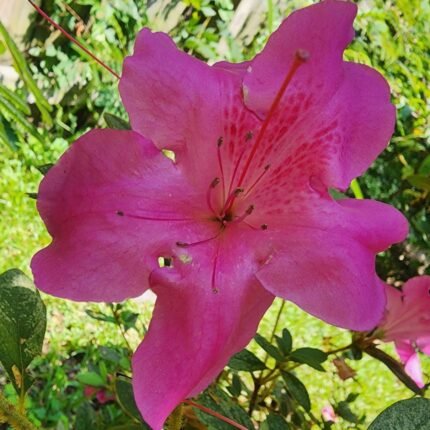
Red Formosa Azalea – Rhododendron ‘Red Formosa’ (Southern Indica Evergreen Azalea, Live Starter Plants)
Price range: $33.79 through $178.32
Select options
This product has multiple variants. The options may be chosen on the product page
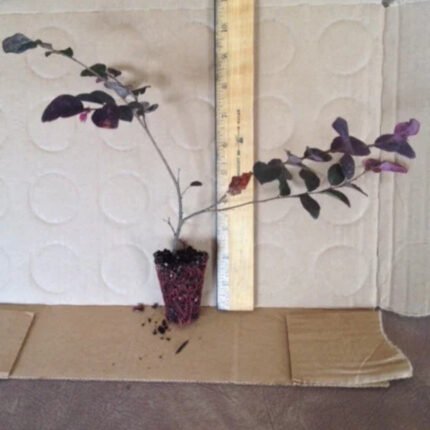
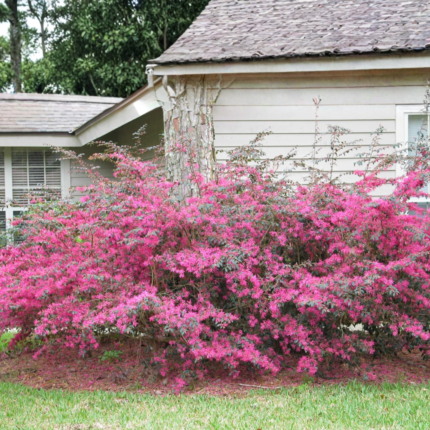
Ruby Loropetalum Plant – Loropetalum chinense var. rubrum (Chinese Fringe Flower, Live Starter Shrub)
Price range: $33.79 through $178.32
Select options
This product has multiple variants. The options may be chosen on the product page
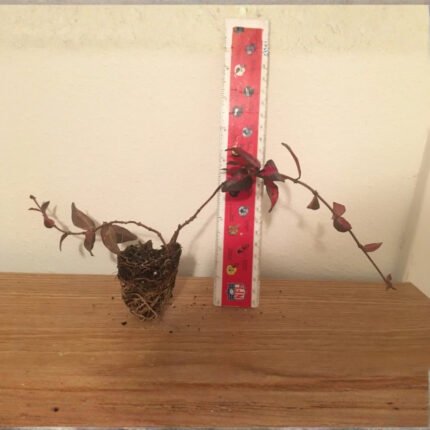
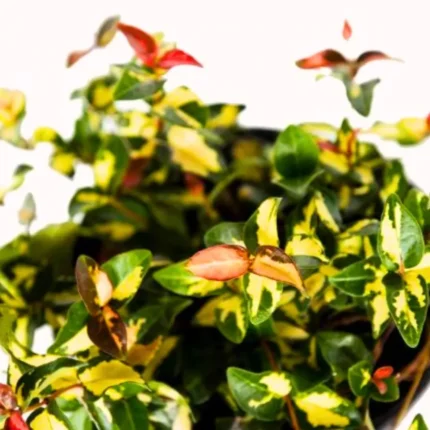
Summer Sunset Jasmine – Trachelospermum asiaticum (Colorful Asiatic Jasmine Groundcover, Live Starter Plants)
Price range: $33.79 through $178.32
Select options
This product has multiple variants. The options may be chosen on the product page
Reviews
Clear filtersThere are no reviews yet.