
Live Plant Gifts: Thoughtful Ideas for Gardeners This Holiday Season

Live plant gifts keep giving long after the wrapping paper is gone, but only if the plant suits the person and the place it will live. In this guide we share six gift ideas from our Jacksonville nursery, plus honest notes on indoor versus outdoor use, pet safety and when to order so your gift arrives on time.
Quick Answer: The Best Live Plant Gifts at a Glance
If you only have a minute, this table sums up our picks. Zones come from our product pages, and the pet column reflects extension and poison-control sources.
| Plant | Best for | Indoors or out | Pets |
|---|---|---|---|
| Frostproof Gardenia | Fragrance lovers, zones 7 to 11 | Outdoors | Mildly toxic |
| Croton ‘Petra’ | Bold color fans | Houseplant in most areas | Toxic |
| Chocolate Queen Cordyline | Houseplant collectors | Houseplant outside zones 10 to 11 | Toxic |
| White Jade Pineapple | Curious, patient growers | Pot that comes inside in cold weather | Check before gifting |
| Roman Chamomile | Herb gardeners | Outdoors, zones 4 to 9 | Can upset pets |
| Confederate Jasmine | Fence or trellis owners | Outdoors, zones 8 to 11 | Listed as non-toxic |
Why Live Plant Gifts Work for Gardeners
Most gardeners already own plenty of gloves and gadgets. A living plant, however, is something they can watch grow for years, and it often becomes a story in the yard: the gardenia from a sister, the jasmine from a neighbor. In other words, the gift keeps reminding them of you.
That said, a plant is a living thing with needs. A tropical croton sent to a snowy apartment with no sunny window will struggle, and a vine is a poor match for someone with no fence. So before you pick, think about three questions. First, does the person have a yard, a patio or only a windowsill? Next, what climate do they live in? Finally, do they share their home with cats or dogs?
Six Live Plant Gifts We Recommend
We chose these live plant gifts because each one suits a different kind of gardener. Every plant below ships as a young starter, so it suits a gardener who enjoys growing something on rather than unwrapping an instant showpiece.
Frostproof Gardenia: Fragrance for the Porch
Few scents say “Southern garden” like gardenia. Our Frostproof Gardenia is a compact, cold-tolerant selection that grows about 3 to 5 feet tall with double white flowers from late spring into summer. It needs acidic, well-drained soil and steady moisture, so it fits a gardener in zones 7 to 11 who has a sunny or lightly shaded bed near a patio. If they want to compare types, our guide to gardenia varieties explains the differences.
Keep in mind that gardenia is an outdoor shrub, not a long-term houseplant. In addition, NC State Extension notes that eating the leaves can cause mild vomiting or diarrhea in cats and dogs.
Croton ‘Petra’: Holiday Color, Best Indoors in Most Places
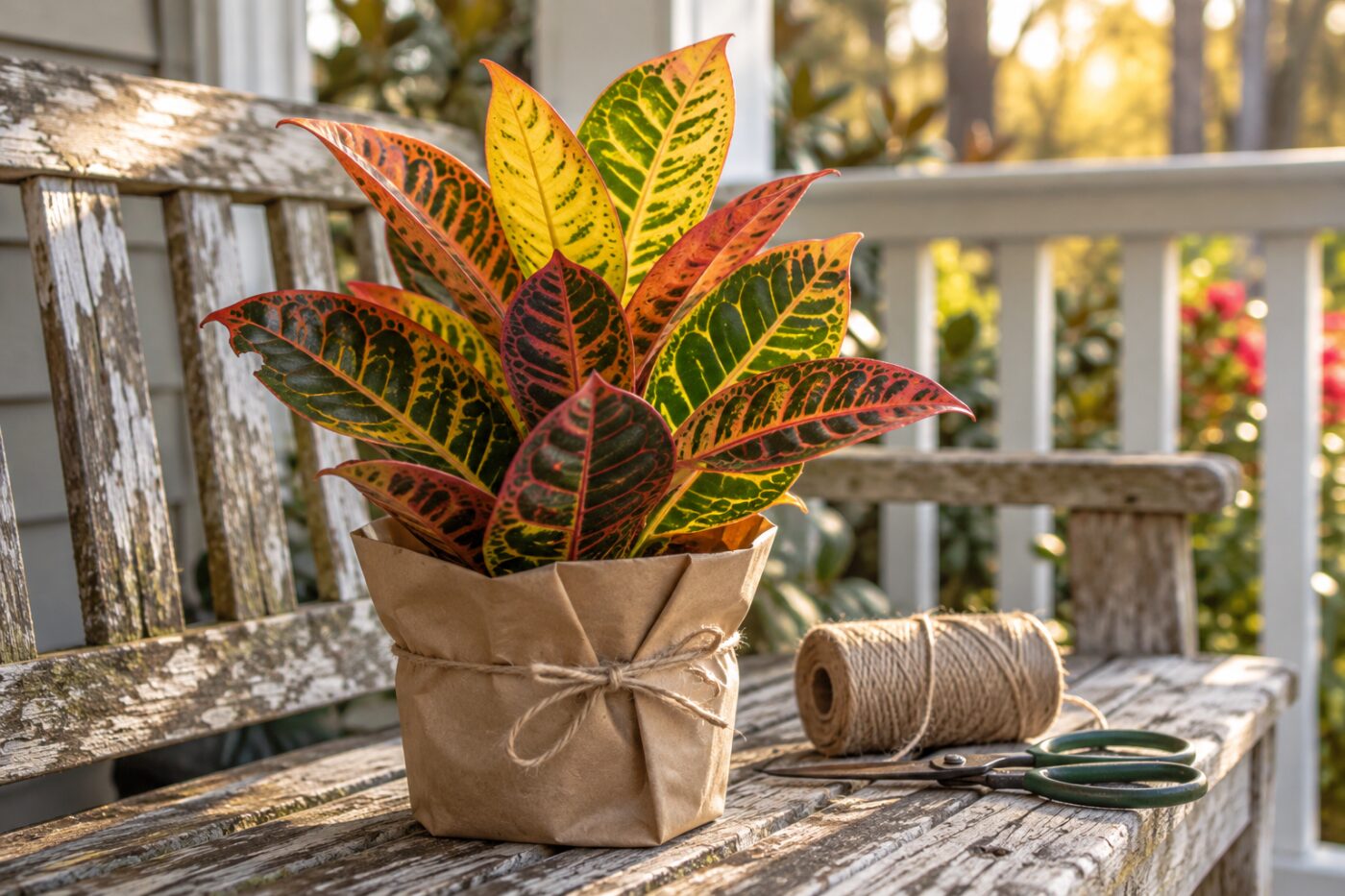
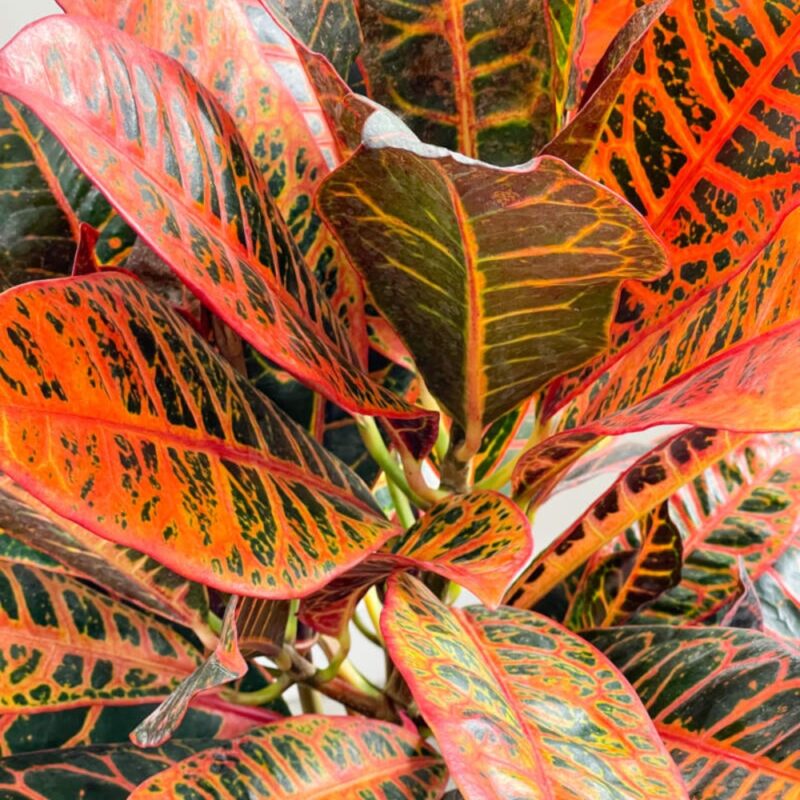
Croton ‘Petra’ has big, glossy leaves veined in yellow, orange, pink and red, so it looks festive on a table all winter. According to UF/IFAS Gardening Solutions, crotons grow outdoors in Central and South Florida, frost damages them, and ‘Petra’ is one of the cultivars that holds its color indoors. Here in North Florida, we treat it as a patio pot that comes inside on cold nights.
Be honest with yourself about the recipient, though. UF/IFAS warns that croton leaves are irritating and poisonous, and the sap can stain. Therefore it is a poor pick for a home with a curious puppy, a cat that chews leaves or small children. For the right person, our Croton Petra starter plants make a vivid, easy houseplant gift.
Chocolate Queen Cordyline: A Bold Houseplant Gift
The Chocolate Queen Cordyline is a ti plant with strap-like leaves in chocolate-purple, burgundy and cream. Outdoors it only takes the cold in roughly zones 10 to 11, so for most people it works best as a houseplant in bright light. It grows about 3 to 4 feet tall over time, which suits a sunny corner.
Like croton, it is not pet-friendly. UF/IFAS notes that saponins in the sap can cause irritation and vomiting if eaten, and our product page lists it as toxic to pets. As a result, we suggest it for plant collectors without animals that chew on greenery.
White Jade Pineapple: A Fun Gift for Patient Growers
A pineapple plant is a gift that sparks conversation. Our White Jade Pineapple is a sweet, low-acid variety with soft, spineless leaves, and it grows happily in a pot. UF/IFAS says pineapples fruit roughly 18 to 32 months after planting, and temperatures below 28°F will kill the plant. So this gift suits someone who can keep a container on a sunny porch and carry it inside before a freeze.
We have not confirmed its pet safety from a source we trust, so check the ASPCA plant list if the recipient has animals.
Roman Chamomile: A Fragrant Herb for Sunny Spots
Our Roman Chamomile is a low, apple-scented groundcover with small daisy flowers, hardy in zones 4 to 9. It suits an herb gardener with a sunny, well-drained border or gaps between pavers. In Florida’s hot, humid summers it can thin out, so a spot with good drainage and a little afternoon shade helps.
Also note that NC State Extension lists chamomile as a problem for cats, dogs and horses, because its oils can cause vomiting or skin irritation. For that reason, plant it where pets do not graze.
Confederate Jasmine: A Pet-Friendly Climbing Gift
If your gardener has a fence, arbor or mailbox post, Confederate Jasmine is a generous gift. This evergreen vine climbs 12 to 20 feet and covers itself in sweet white flowers in spring. It is also one of the few picks here that NC State Extension lists as non-toxic to cats and dogs, and the UF/IFAS invasive assessment does not consider it a problem species. Our guide to growing jasmine on a fence shows how to train it.
Indoor or Outdoor Live Plant Gifts?
This is where many gift guides go wrong. They show a tropical plant in a cozy living room, then list it as a garden shrub for everyone. In reality, where the plant will live decides which one you should send.
- For a windowsill or apartment: croton and cordyline make the most sense, because both handle indoor life in bright light. Browse more ideas in our indoor plants collection.
- For a patio or porch: pineapple, croton and cordyline all do well in pots, as long as they come inside when nights turn cold.
- For a yard in the Southeast: gardenia, jasmine and chamomile are true outdoor plants. Our outdoor plants category has more.
Also check the recipient’s hardiness zone. Mailing a zone 10 cordyline to a zone 6 garden is fine as a houseplant, but it will not survive planted outside.
Pet Safety and Live Plant Gifts
Many people forget to ask about pets when choosing live plant gifts, yet it matters a lot with houseplants. Croton and cordyline are both toxic if chewed, gardenia and chamomile can cause milder stomach upset, and Confederate Jasmine is the safest choice in this list. If you are unsure, ask the recipient or pick the jasmine. When a pet does eat a plant, the ASPCA Animal Poison Control Center at (888) 426-4435 or a local vet can help.
When to Order Live Plant Gifts for the Holidays
Timing is the part you control, so plan ahead. We process orders in 2 to 5 business days, then USPS carries them to the door. In addition, we may hold an order during freezing weather to protect the plant, and we ship only within the United States.
Because of those steps, we suggest ordering live plant gifts in late November or the first days of December. Even then, we cannot promise a delivery date, especially if a cold snap hits the route. If your timing is tight, call us at (904) 664-5227 or email [email protected] before you order, and we will tell you honestly what to expect.
Gifting Tips That Need Nothing Fancy
You do not need special services to make live plant gifts feel personal. Instead, try these simple ideas:
- Ship it to yourself first. Then you can check the plant, water it and hand it over in person. If you want it sent straight to the recipient, contact us first so we can discuss timing.
- Wrap the pot, not the plant. Brown kraft paper and twine around the pot look charming and still let leaves breathe.
- Add a decorative pot. A slightly larger container with a drainage hole gives the starter room to grow.
- Write a care card. Note the light, water and pet facts from this post, or include a link to our after-arrival plant care guide.
- Give a planting promise. For outdoor shrubs in cold regions, a handwritten card that says “your gardenia arrives in spring” avoids winter shipping risk.
What Arrives When You Order
Every plant we sell ships as a live, rooted starter under 12 inches tall. We pot each one with its soil plug intact, then wrap it to hold moisture, so it is not bare-root. Consequently, your gift will look like a young plant, not the mature specimen in a landscape photo. That is part of the charm of live plant gifts, because the recipient gets to raise it. Our post on whether small starter plants are worth it explains why young plants often settle in well.
Most orders qualify for free USPS First-Class shipping, and multi-plant bundles lower the cost per plant if you are buying for several people. Our 30-Day Happy Gardener Guarantee also covers you; just contact us within 48 hours with photos if a plant arrives damaged.
Live Plant Gifts FAQ
Are Live Plants Good Christmas Gifts?
Yes, when the plant matches the person. Choose a houseplant for apartment dwellers and an outdoor plant only for someone with a yard in the right zone. Also, include simple care notes so they know what to do first.
Can You Ship Live Plants in Winter?
Often, yes, but freezing weather is a real risk in transit. For that reason, we may hold orders during a freeze and ship once temperatures are safer. Ordering early gives you a buffer.
Which Plant Gifts Are Safe for Cats and Dogs?
From our list, Confederate Jasmine is the one NC State Extension lists as non-toxic to cats and dogs. Croton and cordyline are toxic, while gardenia and chamomile can cause milder upset.
What Is a Good Plant for Someone With No Yard?
A croton or cordyline in a bright window works well, provided no pets chew on it. A White Jade Pineapple in a pot is another fun option for a sunny balcony.
How Do You Wrap a Live Plant Gift?
Wrap only the pot in kraft paper or fabric, tie it with twine and leave the leaves uncovered. Then keep the plant in bright light and water it until you hand it over.
Ready to Pick a Gift?
The best live plant gifts fit the person, their climate and their pets. Choose a croton or cordyline for a pet-free home with a bright window, gardenia or jasmine for a Southern yard, and a pineapple for someone who loves a project. Then order early, wrap the pot simply and add a care card. When you are ready, browse our full plant shop or start with Confederate Jasmine starters for the safest all-around choice.