
Skyrocket Juniper Care: The Slim Evergreen for Tight Spaces

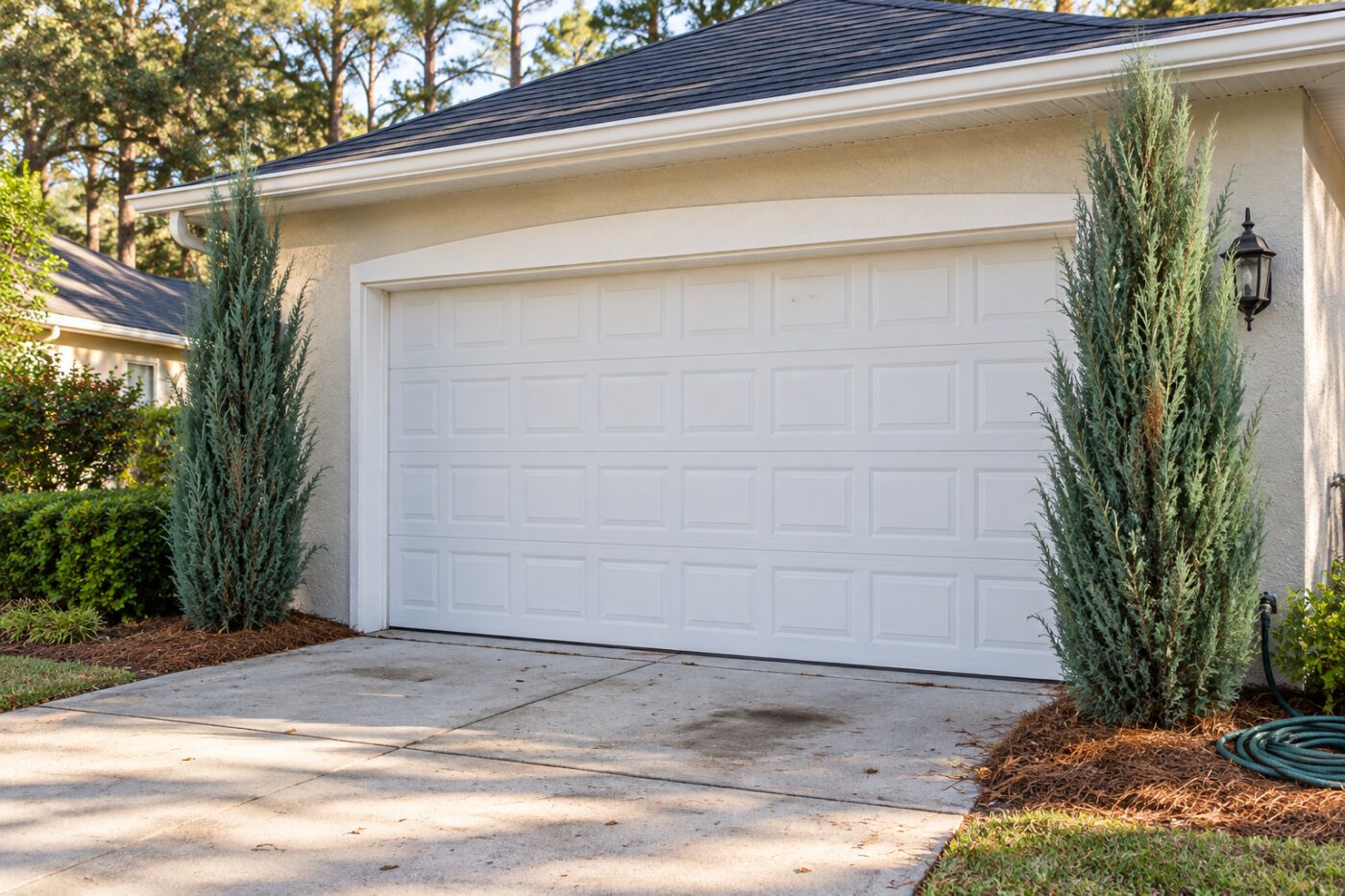
Skyrocket juniper care comes down to three things: full sun, sharp drainage and enough moving air to keep the foliage dry. In this guide we cover spacing, watering, pruning and the humidity-driven diseases that matter most in Florida, so you can decide whether this slim evergreen fits your yard before you plant it.
Quick facts
- Botanical name: Juniperus scopulorum ‘Skyrocket’, a Rocky Mountain juniper selection.
- Mature size: about 15 to 20 feet tall and only 2 to 3 feet wide.
- Hardiness: UF/IFAS lists the species for zones 4A to 9A, and our product page lists zones 4 to 9.
- Light and soil: full sun with well-drained sandy or loamy soil, never a wet spot.
- Spacing: roughly 2 to 3 feet apart for a screen, or wider for accents.
- Main risk in the South: tip blight, rust and mites, all made worse by humidity.
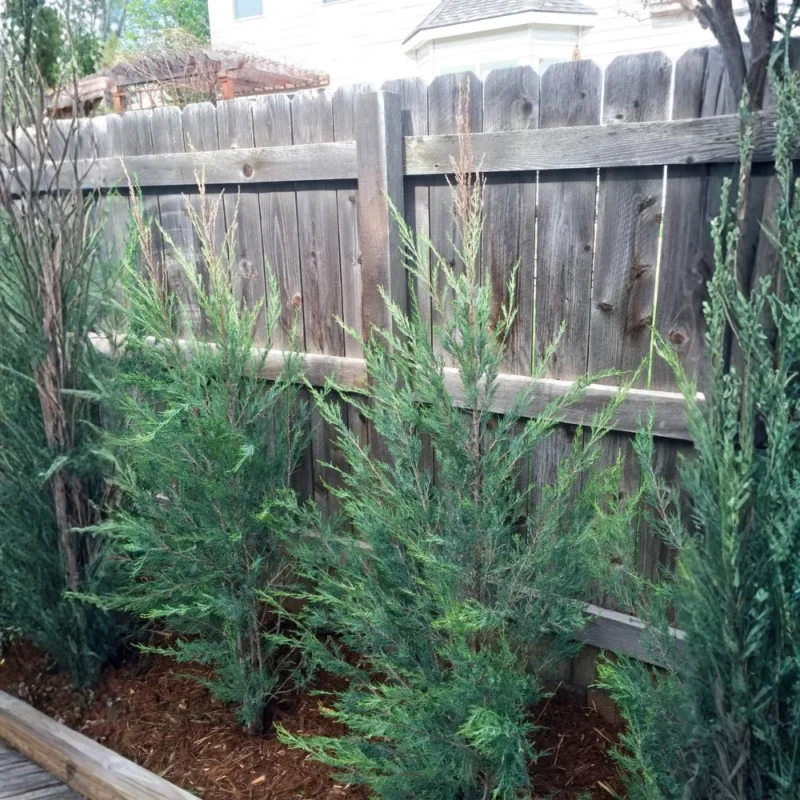
What Is Skyrocket Juniper?
Skyrocket is a narrow female selection of Rocky Mountain juniper, a conifer native to the dry mountains of western North America. The American Conifer Society says it was found in the wild and named in 1949. After about ten years it reaches roughly 15 feet tall and only 2 feet wide, although it can widen with age. Its scale-like foliage stays silvery blue-green all year.
Because it stays so slim, gardeners use it where a broad shrub would block a walkway or crowd a window. Some botanists also place it close to eastern red cedar, so you may see Juniperus virginiana on a few labels. For care, however, it behaves like a Rocky Mountain juniper, which means it wants dry air and dry roots.
Skyrocket vs Blue Arrow Juniper
You may notice that our listing’s web address mentions Blue Arrow, so it is worth clearing up. Blue Arrow is a separate Rocky Mountain juniper cultivar, and the American Conifer Society describes it as a big improvement over the older Skyrocket. It tends to be denser and stiffer, with bluer foliage. Some nurseries also claim it resists disease better, but we could not find extension trials that confirm that. The plant we sell is Juniperus scopulorum ‘Skyrocket’, exactly as the product page states. So everything below is Skyrocket juniper care, and most of it applies to Blue Arrow too.
Can You Grow Skyrocket Juniper in Florida?
Honestly, Florida is the hardest place on this plant’s map. UF/IFAS Extension lists Rocky Mountain juniper for zones 4A through 9A, yet it also warns that the species is difficult to grow in the South due to disease. Likewise, NC State Extension says it does not handle wet soil, high humidity or warm nights. Clemson Extension adds that these cultivars are more disease-prone than eastern red cedar.
So where does that leave a Florida gardener? North Florida, including our zone 9a here in Jacksonville, sits right at the warm edge of its range. Central and South Florida fall outside it, so we do not recommend Skyrocket there. In the Panhandle and the rest of zone 8, the odds improve, especially on open, sandy sites with a steady breeze.
In zone 9a, then, treat Skyrocket as an accent worth trying in your sunniest, best-drained spot. It is not the plant for a long screen you need to rely on. If you want a dependable tall hedge, compare it with the picks in our fast-growing privacy hedge guide first.
Choosing the Right Planting Spot
Site choice is the biggest part of Skyrocket juniper care, because no amount of spraying fixes a soggy, shaded spot. First, pick a place with at least six hours of direct sun, and more is better. Next, test drainage by filling a planting hole with water. If it has not drained within a few hours, choose another spot or plant on a raised mound.
Also, keep it away from lawn sprinkler zones, downspouts and low corners where water sits after summer storms. Air matters just as much for Skyrocket juniper care. Planting tight against a wall traps humidity around the foliage, and that invites blight. Finally, spread 2 to 3 inches of mulch, but pull it a few inches back from the trunk.
Skyrocket Juniper Spacing
| Use | Spacing (center to center) | Plants for a 20-foot row |
|---|---|---|
| Continuous screen | 2 feet | About 10 to 11 |
| Screen with small gaps (our pick in Florida) | 3 feet | About 7 to 8 |
| Spaced accent row | 4 to 5 feet | About 5 to 6 |
| Pair flanking a door or gate | One on each side | 2 |
Tighter spacing fills in sooner. However, it also cuts airflow between plants, and that matters in humid climates. For that reason, we lean toward 3 feet in Florida. In addition, set each plant at least 2 to 3 feet out from walls and eaves. For longer runs, our hedge spacing chart and calculator does the math for you.
Watering and Feeding
Early Skyrocket juniper care is mostly about water, since new plants need steady moisture until their roots spread into the surrounding soil. For the first couple of months, water every few days during dry weather, and then taper off as new growth appears. Once established, Skyrocket handles drought well. In fact, overwatering is the more common mistake in Florida, because Clemson notes that Phytophthora root rot thrives in warm, wet soil.
When you do water, aim at the base early in the day, and avoid wetting the foliage in the evening. As for fertilizer, a light dose of slow-release shrub food in spring is plenty. Too much nitrogen pushes soft, crowded growth, so skip extra feedings unless the plant looks pale.
Pruning a Skyrocket Juniper
Pruning is the easiest part of Skyrocket juniper care, because the plant grows naturally narrow. Trim only green, leafy growth, because junipers rarely sprout new foliage from bare brown wood. In late winter or early spring, snip stray side shoots to keep the column tidy. Avoid topping it, since the cut leaves a flat, open crown that can take years to fill.
UF/IFAS also notes that branches tend to bend outward once the plant passes about 15 feet. Here, strong summer wind can cause the same splaying. A loose spiral of soft tree tie around the column holds branches in place without girdling them. Meanwhile, cut out any dead or brown tips as soon as you see them.
Pests and Diseases in Humid Climates
This is where Skyrocket juniper care in the Southeast differs most from care out West. The UF/IFAS fact sheet lists twig blight, several rusts, bagworms, juniper scale, webworm and mites for this species. Below are the problems worth watching for in Florida.
Phomopsis and Kabatina Tip Blight
Both are fungal blights that brown the ends of branches. According to Clemson Extension, Phomopsis turns new tips pale and then reddish-brown during warm, wet spring weather. Kabatina, on the other hand, browns one-year-old twigs, often where a branch was injured. To manage both, prune out infected tips in dry weather, improve air circulation and keep irrigation off the foliage. If blight returns every year, Clemson lists preventive copper or mancozeb sprays.
Cedar-Apple and Other Rusts
Rust diseases need a second host nearby, such as apple, crabapple, hawthorn or quince. Look for hard brown galls near branch tips that push out orange, jelly-like horns during spring rain. If you spot them, cut the galls off before they release spores. Fortunately, apple trees are uncommon in most Florida yards, so the risk is usually lower here, although native hawthorns do grow in North Florida.
Spider Mites, Bagworms and Scale
Spider mites leave fine yellow speckles and, in bad cases, webbing. Clemson notes that they are most active in the cool seasons, so check plants in spring and fall by tapping a branch over white paper. If tiny moving specks appear, horticultural oil or insecticidal soap usually handles them. Bagworms build carrot-shaped bags from foliage, and hand-picking them in winter works well. Similarly, scale shows up as small bumps on the stems, and horticultural oil helps there too.
What Arrives When You Order
We ship our Skyrocket Juniper starter plants live and rooted, under 12 inches tall, potted with the soil plug intact rather than bare-root. That means you are buying a young plant, not an instant column, and Skyrocket juniper care for a starter simply calls for closer watering in the first season. It will take several years to reach screening height, so a starter suits patient gardeners and anyone planting several at once. Bundles also lower the cost per plant, which helps when you are lining a fence.
Most orders ship free by USPS First-Class within 2 to 5 business days. We may hold orders during freezing or extreme heat for plant safety. Every order also carries our 30-Day Happy Gardener Guarantee. Before you buy, read our take on whether small starter plants are worth it, and once your box arrives, follow our after-arrival care steps.
In North Florida, fall through late winter is a good planting window, since cooler weather means less heat stress and fewer blight-friendly downpours. Our fall planting guide explains the timing.
Other Slim Evergreens for Humid Yards
If shade, wet soil or heavy humidity would turn Skyrocket juniper care into an uphill fight, consider a different column. For example, our Italian cypress spacing guide covers another tall, narrow screen, and you can find the Italian Cypress starters here. Likewise, Spiny Greek Juniper is an upright Chinese juniper that grows wider, about 4 to 5 feet. NC State Extension also suggests eastern red cedar as a relative that copes better with heat and humidity. For more year-round options, see our zone 8 evergreen shrub list or browse the privacy hedges collection.
Skyrocket Juniper Care FAQ
How Fast Does Skyrocket Juniper Grow?
In good conditions it grows about a foot or more per year, reaching roughly 15 feet in ten years, per the American Conifer Society. However, heat stress and disease can slow it in Florida, so steady Skyrocket juniper care, especially good drainage, matters.
How Far Apart Should You Plant Skyrocket Junipers?
Plant them 2 to 3 feet apart, center to center, for a continuous screen. In humid areas, 3 feet leaves room for air to move between plants. For accents, 4 to 5 feet keeps each column distinct.
Will Skyrocket Juniper Survive Florida Summers?
It can in North Florida if it gets full sun, sandy soil and good airflow. Even so, UF/IFAS calls the species difficult in the South, so expect some losses. South of zone 9a, we suggest a different plant.
Why Is My Juniper Turning Brown?
Brown tips in spring usually point to Phomopsis or Kabatina blight, while overall browning and thinning often signals root rot from wet soil. Speckled, dull foliage, on the other hand, suggests spider mites. For Skyrocket juniper care, check drainage first, then prune out dead tips in dry weather.
Is Skyrocket Juniper Deer Resistant?
Generally, yes. Deer tend to avoid its prickly, aromatic foliage, although hungry deer may still nibble young plants. Our deer resistant shrub guide lists more plants deer usually skip.
Is Skyrocket Right for Your Yard?
Good Skyrocket juniper care is simple in the right place and frustrating in the wrong one. If you garden in zone 8 or North Florida and can offer full sun, fast drainage and open air, this slim evergreen makes a striking accent by a garage, gate or narrow side yard. If your yard is shady, soggy or farther south, choose a tougher column instead. Ready to try one? Start with our live Skyrocket starters, and plant a few extra in case one struggles. For more upright options, our juniper varieties post is a good next read.