
Fall Planting in Florida: What to Plant in October and November

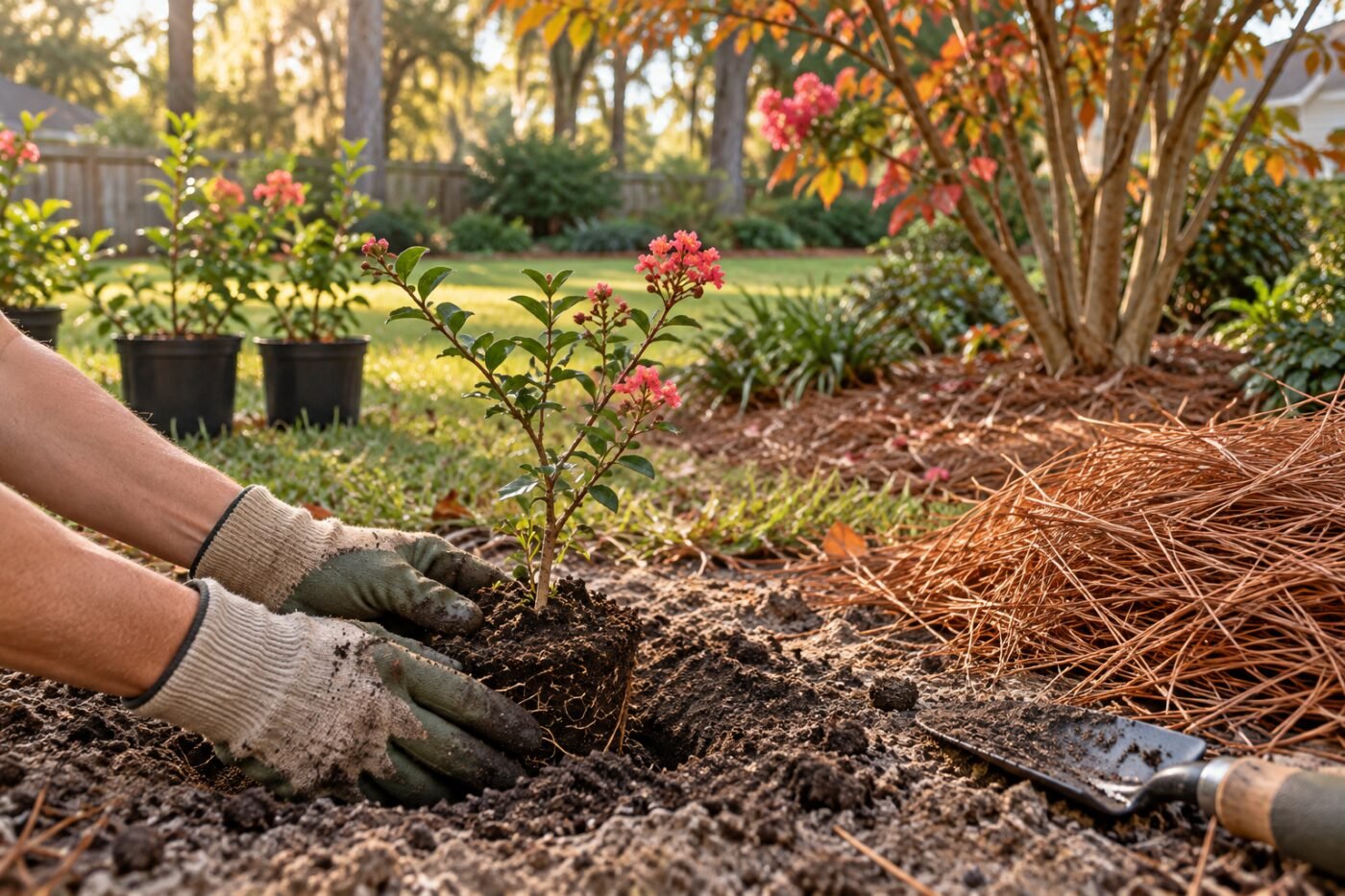
Fall planting in Florida is the best-kept secret of good gardeners, because October and November give new shrubs and perennials months of mild weather to grow roots before summer heat returns. In this guide we explain why the fall window works, how timing differs from North to South Florida, and which plants to put in the ground right now.
Key facts at a glance:
- Best window: October through early December in North and Central Florida, and October through February in South Florida.
- Why it works: cooler air means less stress on leaves, while warm soil keeps roots growing.
- Best things to plant: evergreen shrubs, hedges, flowering trees and tough perennials.
- Watering: new plants still need regular water until roots spread, even in cool weather.
Why Fall Planting in Florida Beats Spring
Most people shop for plants in spring, when garden centers fill up. However, a plant set out in April has only a few weeks before Florida’s long, hot summer begins. Its small root ball has to keep up with heat, sun and fast leaf growth all at once, so it often wilts and needs daily water.
In fall the balance flips. Air temperatures drop, so leaves lose less water, while the soil stays warm enough for roots to keep growing. As a result, a shrub planted in October spends the winter building roots and then pushes new growth in spring with a head start. A UF/IFAS Extension article on fall shrub installation puts it simply: the roots can develop before the tops begin to grow in spring.
There are practical perks too. Hurricane season ends on November 30, the summer rainy season has passed, and weeds slow down. Also, working outside in October is far more pleasant than in July.
Fall Planting Timeline for North, Central and South Florida
Florida spans several climate zones, so the ideal timing shifts as you go south. Here in Jacksonville, in zone 9a, we treat October and November as prime time, with December still workable for hardy shrubs.
| Region | USDA zones | Best fall window | Notes |
|---|---|---|---|
| North Florida | 8a to 9a | October to early December | Finish tender plants before the first frost |
| Central Florida | 9a to 10a | October to January | Light frosts possible, so watch the forecast |
| South Florida | 10a to 11 | October to February | Dry season, so plan on hand watering |
According to UF/IFAS landscape researcher Edward Gilman, container plants in warm climates are routinely planted year-round, and trees planted in fall can root into the landscape before summer heat stresses them. In cooler areas, he notes fall planting works best at least four weeks before soil temperatures drop below 40 degrees.
What to Plant This Fall: 6 Shrubs and Perennials We Recommend
These six plants handle our sandy soils and mild winters well, and each one benefits from a fall start. Together they cover hedges, a flowering tree, perennials and groundcover.
Sweet Viburnum for a Fast Privacy Hedge
If you want privacy by next summer, sweet viburnum is the plant to start now. It grows quickly into a dense evergreen screen, shears easily to 6 to 8 feet and has fragrant white flowers in spring. Planting in fall means the hedge spends winter rooting, so it can take off as soon as the weather warms. It is hardy in zones 8 to 10.
Podocarpus for a Formal Evergreen Screen
Podocarpus macrophyllus grows slowly, so every month of root growth counts. That makes fall the ideal time to plant it. It forms a narrow, tidy hedge, tolerates salt and stays green all winter in zones 7 to 11. Keep in mind, though, that its seeds are poisonous if eaten, so plant it away from play areas.
Tuscarora Crape Myrtle for Summer Color
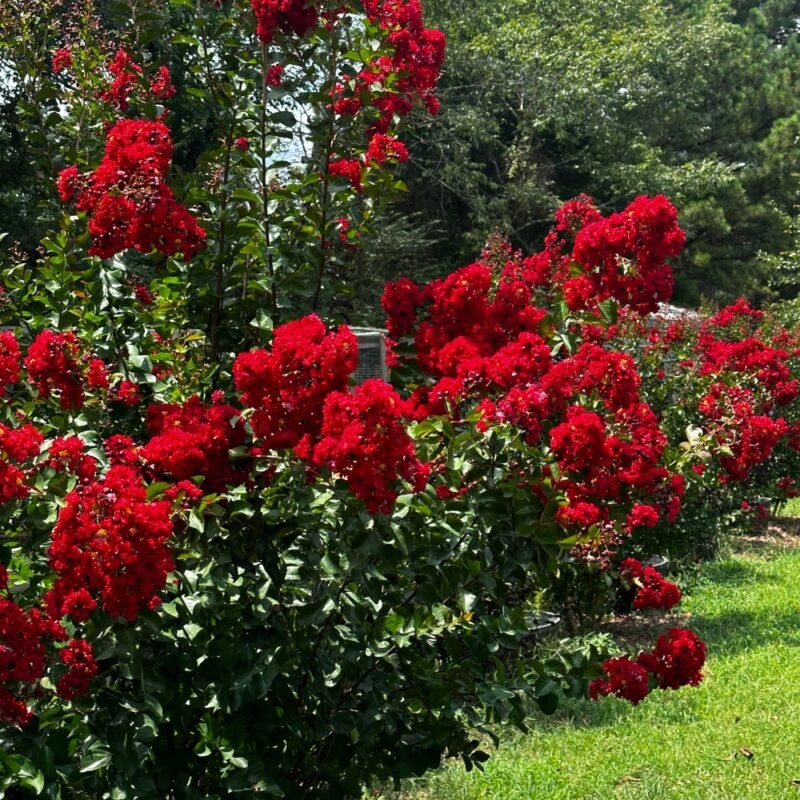
Deciduous trees are perfect candidates for fall planting in Florida, because they need little water once their leaves drop. Tuscarora crape myrtle is a mildew-resistant hybrid with coral-pink summer flowers, orange-red fall leaves and cinnamon bark. It matures at about 15 to 20 feet. Don’t worry if a fall-planted crape myrtle drops its leaves soon after arrival, since that is normal dormancy. For more varieties, see our crape myrtle guide.
Frostproof Gardenia for Fragrance Near the Patio
Frostproof gardenia is the most cold-tolerant gardenia, and its buds resist late frosts. Planting now lets it settle in before its late-spring bloom. Gardenias need acidic soil, and UF/IFAS Gardening Solutions recommends a pH between 5.0 and 6.5. If your soil is alkaline from limestone or shell, grow it in a container instead.
Blue Agapanthus for Summer Blooms
Blue agapanthus, or lily of the Nile, sends up tall stalks of lavender-blue flowers in summer. It goes mostly dormant in winter in much of Florida, so a fall-planted clump will look quiet until spring. That is fine, because the roots keep working. Space plants 18 to 24 inches apart, and expect two to three years for the fullest flowering. It is hardy in zones 8 to 11 and toxic if eaten.
Aztec Grass for Edging and Shade
Aztec grass (Liriope muscari) is a variegated lilyturf that brightens shady beds, borders and walkways. It is drought, salt and shade tolerant, and it resists deer and rabbits. Because it spreads slowly into clumps, a fall start gives it a full extra season to fill in. Space plants about 12 to 18 inches apart for edging.
Plant Comparison for Fall Planting in Florida
| Plant | Type | Sun | Mature size | Zones |
|---|---|---|---|---|
| Sweet viburnum | Evergreen shrub | Sun to part shade | 6 to 8 ft trimmed | 8 to 10 |
| Podocarpus | Evergreen shrub | Sun to part shade | 4 to 12 ft trimmed | 7 to 11 |
| Tuscarora crape myrtle | Deciduous tree | Full sun | 15 to 20 ft | 7 to 10 |
| Frostproof gardenia | Evergreen shrub | Sun to part shade | 3 to 5 ft | 7 to 11 |
| Blue agapanthus | Perennial | Full sun | 2 to 3 ft in bloom | 8 to 11 |
| Aztec grass | Groundcover | Part shade to shade | About 1 ft | 7 to 10 |
You can find more options in our shrubs and bushes and groundcovers and border plants collections.
How to Plant and Water in Fall
- Pick the spot: match each plant to its sun needs, and check that the area drains after rain.
- Dig wide, not deep: make the hole about twice as wide as the root plug and only as deep.
- Set it level: keep the top of the root plug even with the soil, then backfill with the native soil.
- Water it in: soak the area right away to settle the soil around the roots.
- Mulch: finally, add 2 to 3 inches of pine straw or bark, pulled back from the stems.
Cool weather does not mean new plants can skip water. In UF/IFAS research on establishing shrubs, frequent small waterings worked better than big soakings, and shrubs established in about 20 to 28 weeks. So water new plants every few days at first, then stretch the interval as roots spread. Once established, rely on rain and water only during dry spells.
Protecting Fall Plantings From a Cold Snap
Most plants on this list shrug off a North Florida winter. Even so, a hard freeze can nip young plants in their first season. When the forecast calls for frost, water the soil a day ahead, because moist soil holds more heat. Then cover tender plants with a frost cloth or old sheet that reaches the ground, and remove it the next morning.
Also, hold off on heavy fertilizer until spring. Feeding in late fall can push soft new growth that a cold night will damage. Instead, let the plant focus on roots now, then feed lightly once new growth appears in spring.
What Arrives When You Order for Fall Planting
We ship live, rooted starter plants under 12 inches tall, potted with the soil plug intact and wrapped to hold moisture. They are young plants, not finished landscape shrubs, so expect a season or two before they reach real size. The upside is that small plants transplant easily and settle in fast, especially in fall.
Most plants come as single plants or in multi-plant bundles, which lower the cost per plant for hedges and mass plantings. We process orders in 2 to 5 business days and offer free USPS First-Class shipping on most orders. However, we may hold an order during a freeze to keep your plants safe. When your box arrives, open it right away and follow our guide on caring for plants after they arrive.
Fall Planting in Florida FAQ
Is October a good month to plant in Florida?
Yes. October is one of the best months, because the summer heat has broken but the soil is still warm. Shrubs, trees and most perennials root quickly then.
Can you plant shrubs in November and December in Florida?
Yes, in most of the state. North Florida gardeners should finish tender plants before the first frost, while hardy shrubs like podocarpus can go in through winter.
How often should I water new plants in fall?
Water every few days for the first few weeks, then gradually less often. Check the soil first, and skip watering after a good rain.
Should I fertilize when I plant in fall?
Generally, no. Skip heavy fertilizer at planting time and feed lightly in spring once new growth starts.
What perennials can I plant in fall in Florida?
Tough perennials such as agapanthus, liriope and daylilies all do well. Some, like agapanthus, rest in winter but come back strong in spring. Learn more in our daylily guide.
Make the Most of Fall Planting in Florida
If you have been putting off that hedge, flower bed or shade border, now is the time. Fall planting in Florida gives roots a long, gentle season to grow, so your plants enter their first summer stronger and need less water. Pick a few plants from the list above, measure your space, and choose a bundle that fits. Then browse our outdoor plants to round out your garden, or call us at (904) 664-5227 with questions.