
Deer Resistant Shrubs for Southern Yards: 10 Plants Deer Usually Skip

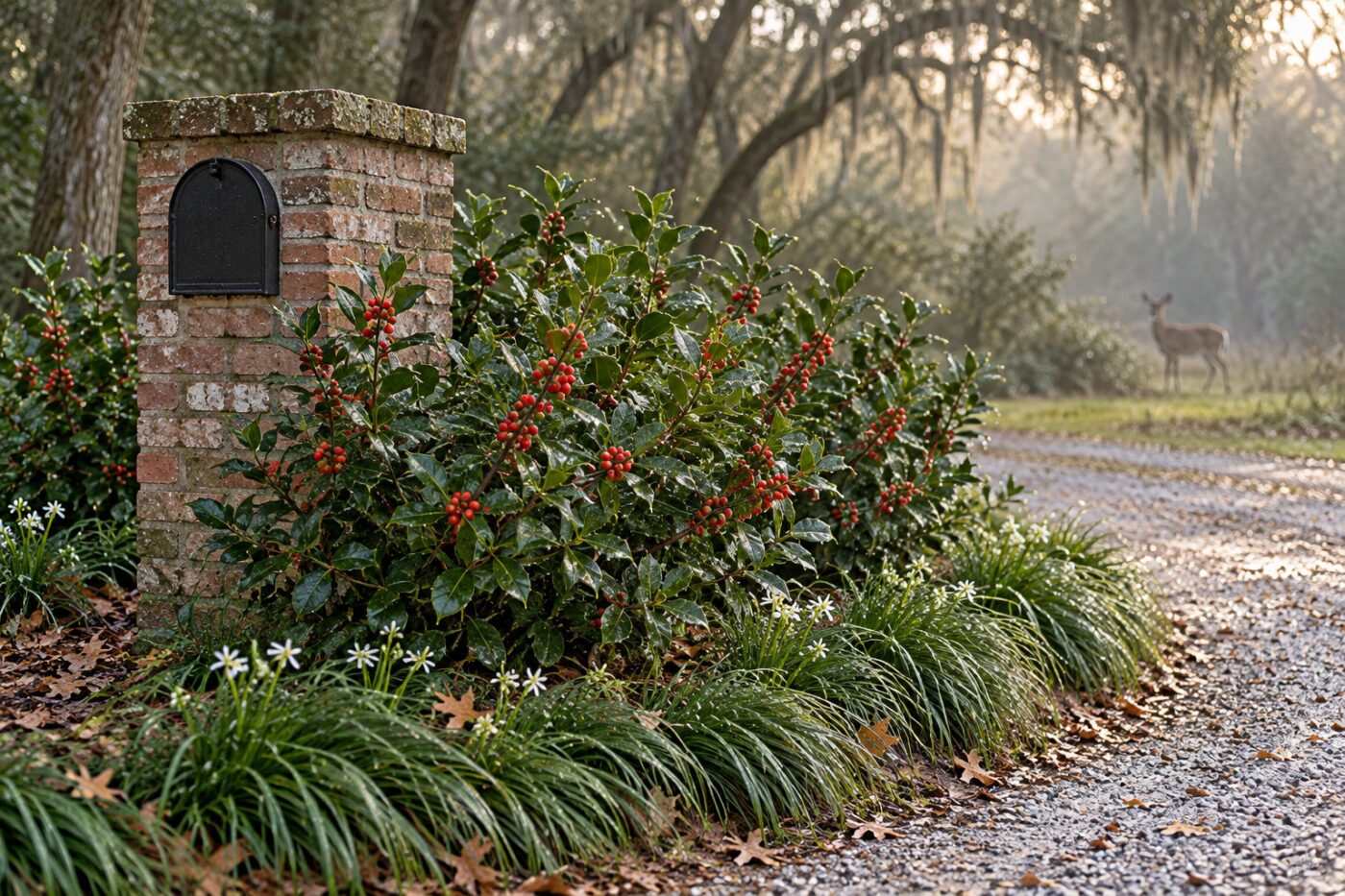
Deer resistant shrubs are the backbone of any landscape where deer wander through at dawn and dusk. In this guide we list 10 shrubs and border plants that deer usually skip in Florida and the Southeast, explain what “resistant” really means, and show how to protect young plants until they can hold their own.
Quick answer: no shrub is deer-proof. However, these deer resistant shrubs and border plants are rarely damaged in Southern yards:
| Plant | Best use | Typical size | Zones (product page) |
|---|---|---|---|
| Sweet viburnum | Tall privacy hedge | Kept at 4 to 8 ft, 20 ft or more untrimmed | 8 to 10 |
| Podocarpus | Narrow formal hedge | Kept at 4 to 10 ft | 7 to 11 |
| Needlepoint holly | Hedge, barrier, berries | 10 to 15 ft | 7 to 9 |
| Wax myrtle | Fast native screen | 10 to 20 ft | 7 to 11 |
| Red Cluster bottlebrush | Flowering accent | Large shrub or small tree | 8 to 11 |
| Spiny Greek juniper | Columnar screen | 12 to 15 ft by 4 to 5 ft | 4 to 9 |
| Viburnum Densa | Mid-size native hedge | Compact, dense | 7 to 10 |
| Japanese boxwood | Low hedge and edging | 4 to 6 ft | 6 to 9 |
| Parsoni juniper | Spreading groundcover shrub | 2 to 3 ft by 4 to 10 ft | 4 to 9 |
| Society garlic | Border and edging | About 1 ft, blooms to 2 ft | 7 to 10 |
What Deer Resistant Really Means
“Deer resistant” is a rating, not a promise. The University of Florida’s study of ornamental plant damage by deer in Florida sorts plants by how often deer damage them. It also warns that where deer numbers are high, even plants deer normally avoid may get eaten.
So what makes deer pass a plant by? According to UF/IFAS, deer generally avoid plants with strong scent, stiff or prickly foliage, or toxic compounds. For example, wax myrtle and viburnum are aromatic, junipers and hollies are prickly, and coontie and oleander are toxic. In addition, deer are creatures of habit, so once they find a food source they come back.
As a result, your success depends on local deer pressure, drought and the season. Still, building a yard around deer resistant shrubs cuts damage far more cheaply than spraying everything you own.
10 Deer Resistant Shrubs for Southern Yards
Every plant below appears as a rarely damaged plant, either by name or by genus, in the UF/IFAS deer study or in UF Extension’s guidance on dealing with deer. We also carry each one as a starter plant, so you can build a hedge or bed without paying for large container stock.
1. Sweet Viburnum
Sweet viburnum is our go-to for a tall, fast privacy hedge. Its big, glossy leaves stay dense to the ground, and UF rates viburnums as resistant. It shears easily into a 4 to 8 foot hedge, though it reaches 20 feet or more untrimmed. It handles sun to part shade, but it is not a good pick for beachfront salt spray. Our sweet viburnum hedge guide covers spacing and plant counts.
2. Podocarpus
Podocarpus macrophyllus, also called yew pine, has narrow, leathery, strap-like leaves that deer rarely touch. It grows slowly and upright, so it suits tight side yards and formal hedges. It also tolerates salt and drought once established. However, its seeds and foliage are toxic to dogs, cats and horses according to the ASPCA, so plan around pets. See our podocarpus spacing guide for hedge layouts.
3. Needlepoint Holly: A Deer Resistant Hedge With Berries
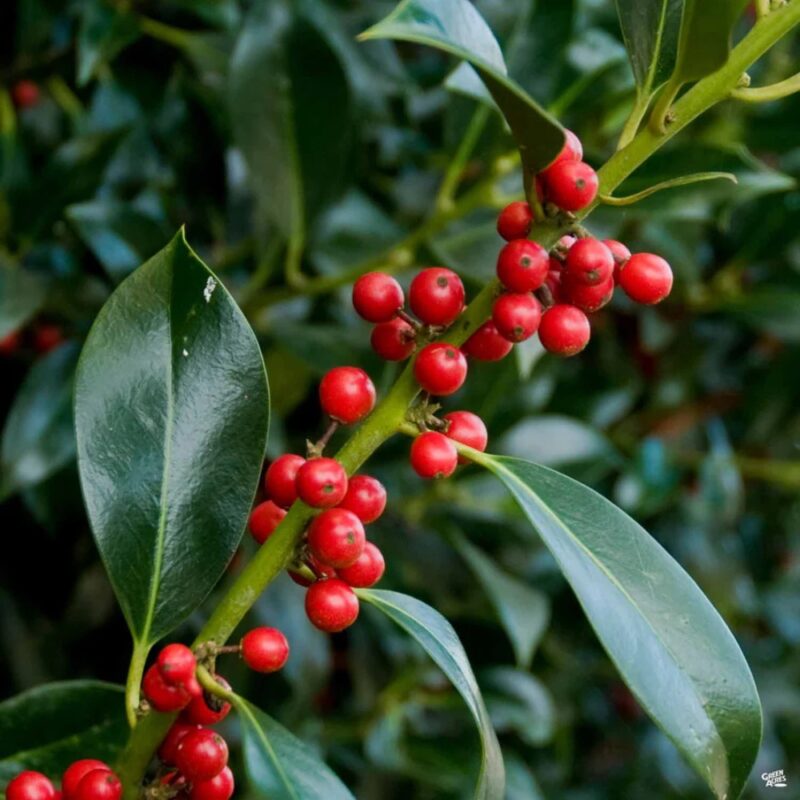
Needlepoint holly is a Chinese holly with glossy leaves, each tipped with a single sharp spine. UF lists Chinese holly as somewhat resistant to deer, and the spines add a physical deterrent. Female plants carry red berries through winter, which birds love. Over time, it grows about 10 to 15 feet tall and shears neatly into a hedge or foundation planting.
4. Wax Myrtle
Wax myrtle is a fast, salt-tough Florida native with spicy, aromatic leaves. Because of that scent, UF Extension names it among the aromatic plants deer avoid. It often grows 3 to 5 feet a year in good conditions, so it is one of the quickest ways to screen a view. On the downside, it suckers and its wood can break in storms. Read more in our wax myrtle privacy screen guide.
5. Red Cluster Bottlebrush
Red Cluster bottlebrush brings color that deer usually skip, with cherry-red flower spikes from late spring into summer and lemon-scented leaves. Hummingbirds and bees also visit the blooms. Note, however, that the 2025 UF/IFAS Assessment rates red bottlebrush as a high invasion risk and does not recommend it in Florida, so Florida gardeners may prefer a native shrub. It is drought-tolerant, though hard freezes can damage it in the colder parts of zone 8.
6. Spiny Greek Juniper
Spiny Greek juniper is an upright, columnar evergreen with dense, prickly blue-green foliage. Junipers rate as resistant in the UF study, largely because of that sharp texture and resinous scent. Eventually it reaches about 12 to 15 feet tall but only 4 to 5 feet wide, so it screens narrow spaces well. Give it full sun and sharp drainage, because junipers dislike wet, humid soil. It suits North Florida and the upper South better than South Florida.
7. Viburnum Densa: Native Deer Resistant Shrubs for Mid-Size Hedges
Viburnum Densa is a compact form of Walter’s viburnum, a Southeast native. Over time, it forms a dense, fine-textured hedge with white spring flowers and berries for birds. In addition, it tolerates drought, salt and wind. Because it stays smaller than sweet viburnum, it works well under windows or as a boxwood alternative.
8. Japanese Boxwood
Japanese boxwood is the classic low hedge, and UF rates it as resistant to deer. Also, it shears cleanly into edging, globes or a tidy 2 to 4 foot hedge. That said, UF/IFAS lists boxwood among landscape plants often damaged by root-knot nematodes in sandy Florida soils. So add organic matter, mulch well, and give it a spot with some afternoon shade.
9. Parsoni Juniper
Parsoni juniper is a low, spreading juniper that grows 2 to 3 feet tall and up to 10 feet wide. As a result, it covers slopes and banks where deer roam, and its prickly foliage keeps browsing light. It is drought- and salt-tolerant and nearly maintenance free once rooted. For more low options, see our guide to Florida ground cover plants.
10. Society Garlic as a Deer Resistant Border
Society garlic is not a shrub, but it earns a spot here as a border in front of your shrubs. Its grassy leaves smell like garlic, and UF rates it as resistant. Plus, it blooms with lilac-pink star flowers from summer into fall. Plant it along walks and bed edges, where it helps fill the low layer that deer might otherwise graze.
Plants Deer Love (and What to Plant Instead)
If deer keep visiting, check whether a favorite is drawing them in. The UF study rates several popular Southern shrubs as frequently or severely damaged. Swapping them for resistant plants usually helps.
| Often eaten by deer | Try instead |
|---|---|
| Evergreen azaleas | Viburnum Densa or Japanese boxwood |
| Pittosporum | Podocarpus or needlepoint holly |
| Hibiscus | Red Cluster bottlebrush |
| Roses | Bottlebrush or society garlic |
| Daylilies | Society garlic |
How to Protect Young Deer Resistant Shrubs
This is the part most lists skip. Young plants are the most vulnerable, because tender new growth is easy to eat. Oklahoma State University Extension notes that deer prefer new plantings and fertilized plants. So even deer resistant shrubs need help in their first season or two.
- Cage them first: UF Extension in Calhoun County suggests temporary 4 to 5 foot wire cages around young shrubs until they outgrow the deer browse zone.
- Use repellents as backup: scent and taste repellents help for a while, but rain washes them off. Reapply after storms, and switch products now and then.
- Go easy on fertilizer: a flush of soft, fertilized growth is more tempting. Instead, feed lightly once plants root in.
- Fence if pressure is heavy: UF recommends fencing at least 6 feet tall, since deer clear anything lower.
Also, watch for damage in fall. Bucks rub antlers on young stems during the rut, and that can strip bark on any plant, resistant or not.
Buying Tips: What Arrives When You Order
We ship live, rooted starter plants under 12 inches tall, potted with the root plug intact and wrapped to hold moisture. They are young plants, not finished hedges, so plan on caging or spraying them at first. Once they grow above the browse line, most of these shrubs need very little protection.
For hedges, multi-plant bundles lower the cost per plant, which adds up on a long fence line. Our hedge spacing chart helps you count plants, and our post on buying starter plants online explains why small plants often establish faster. When your box arrives, follow our care steps after arrival. Finally, fall is a great time to plant in Florida, as we explain in Fall Planting in Florida.
Deer Resistant Shrubs FAQ
What shrubs will deer not eat?
No shrub is completely safe. Still, UF/IFAS rates viburnum, podocarpus, wax myrtle, juniper, bottlebrush and Japanese boxwood as rarely damaged in Florida. Hungry deer in a drought may still sample them.
Is sweet viburnum deer resistant?
Yes, in most yards. UF lists viburnums as resistant, and deer usually skip mature sweet viburnum. However, young plants with soft new growth may get nibbled, so protect them at first.
Do deer eat podocarpus?
Rarely, because UF rates podocarpus as resistant, so it makes a dependable formal hedge in deer country. Keep in mind that it is toxic to pets if eaten.
What is the best deer resistant privacy hedge?
For fast height, choose sweet viburnum or wax myrtle. For a narrow, formal look, pick podocarpus or Spiny Greek juniper instead. Also see our list of fast growing privacy hedge plants.
How do I keep deer from eating new shrubs?
First, cage young plants with wire, then use repellents and reapply after rain, and avoid heavy fertilizer. Once shrubs grow above browse height, the cages can come off.
Plant Smarter, Not Harder
Deer resistant shrubs will not make your yard deer-proof, but they shift the odds in your favor. Start with a backbone of viburnum, podocarpus, holly or wax myrtle, protect the young plants for a season, and keep deer favorites to a minimum. When you are ready, browse our privacy hedge plants or the full shrubs and bushes collection to get started.